

Jackson Barnett death... "The World's richest Indian"...
Item # 727296
May 30, 1934
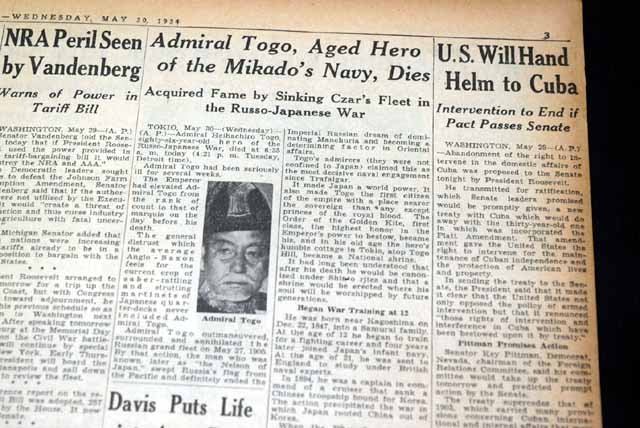
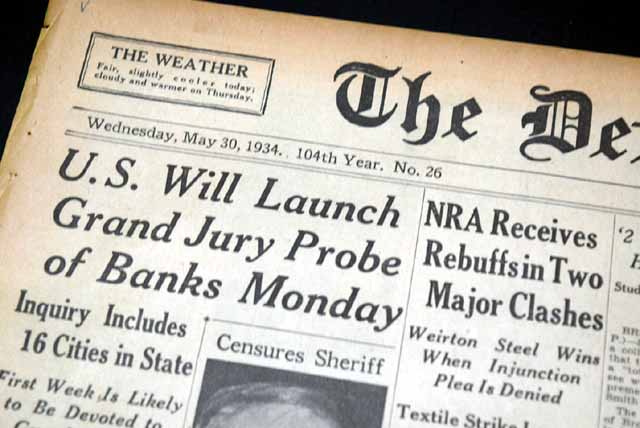
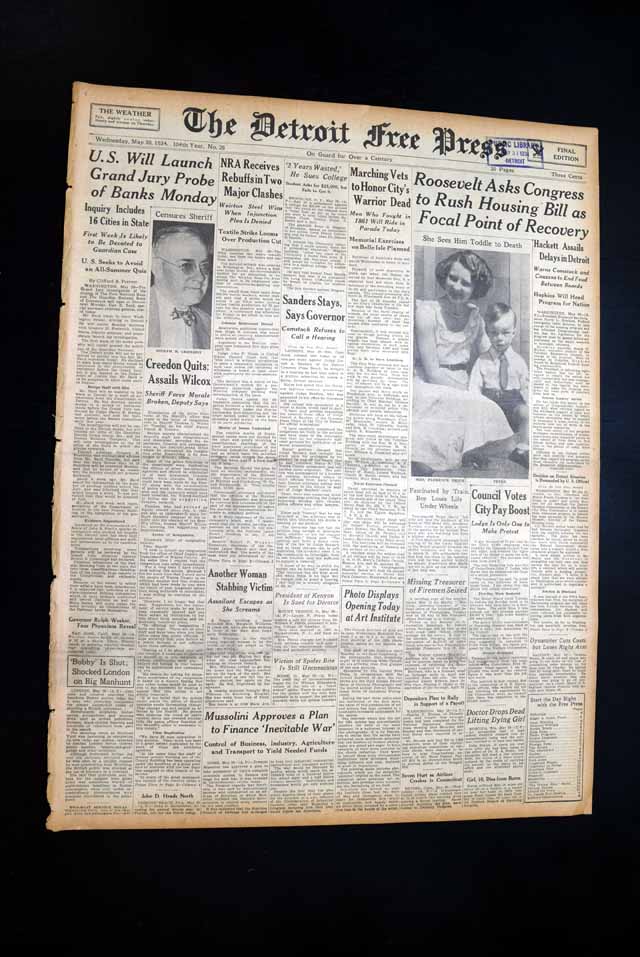
THE DETROIT FREE PRESS, May 30, 1934
* Jackson Barnett death (1st report)
* "The World's Richest Indian"
* Oklahoma oil wells owner
* Muscogee Creek Native American
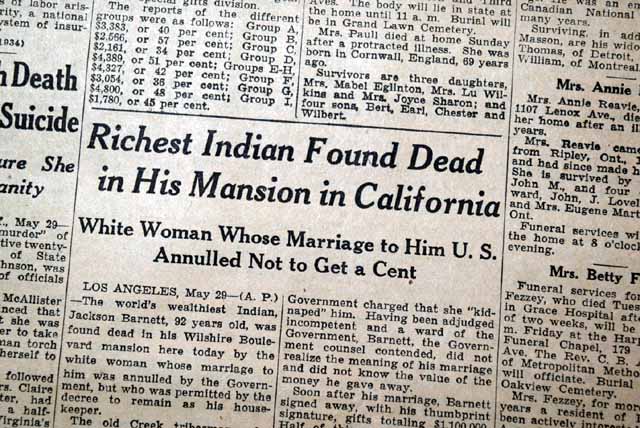
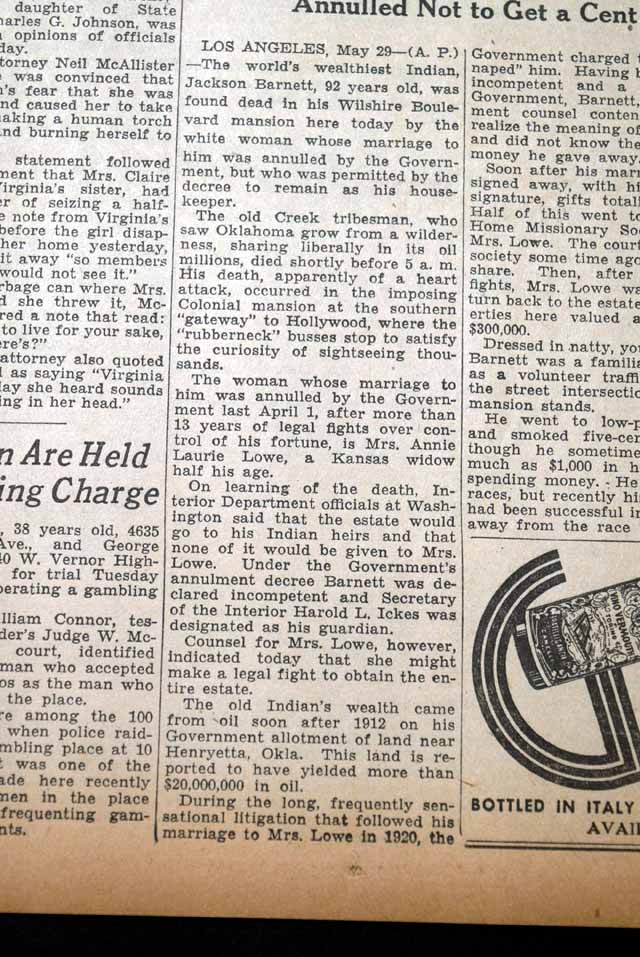
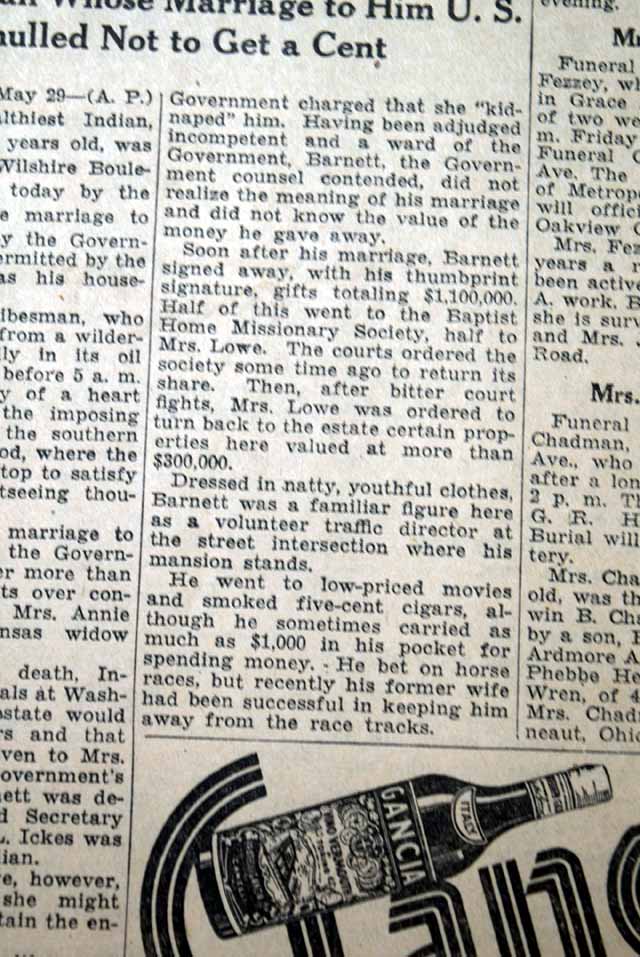
Page 5 has a two column heading: "Richest Indian Found Dead in His Mansion in California" with subhead. (see images)
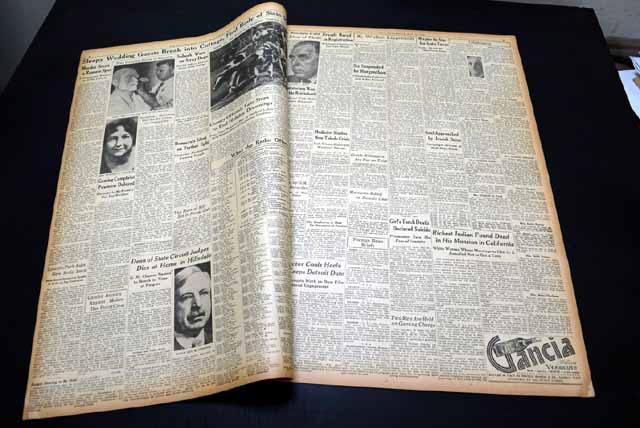
Complete with 20 pages, light toning and a little wear along the margins, generally good.
Background: The life and legacy of Muscogee (Creek) landowner Jackson Barnett (c. 1856–1934), famously dubbed "The World's Richest Indian" after oil was discovered on his allotment in 1912, holds immense historical significance as the ultimate symbol of the systemic, state-sanctioned exploitation of Native American wealth during the Oklahoma oil boom. Deemed legally incompetent due to a past head injury, Barnett was stripped of autonomy while his staggering monthly royalties—which peaked at roughly $47,000 during World War I—became the center of a corrupt, two-decade-long legal tug-of-war involving opportunistic guardians, an adventuress who effectively kidnapped and married him, localized court systems, and the Bureau of Indian Affairs (BIA). The profound historical significance of this saga lies in how the resulting national scandal, exposed through humiliating congressional hearings and extensive federal litigation, forced a dark reckoning over the government’s betrayal of its trust responsibilities toward "restricted" Native Americans; this public outcry directly catalyzed sweeping federal policy reforms, culminating in the landmark Indian Reorganization Act of 1934 (the "Indian New Deal") which sought to restore tribal self-governance and land protections. Today, the primary source publications detailing these events—most notably the exhaustive, multi-decade investigative reports published in the U.S. Senate Subcommittee on Indian Affairs’ Survey of Conditions of the Indians in the United States (1928–1944) and the original, fragile 1934 "rag edition" press obituaries from major newspapers like the New York Times and Chicago Daily Tribune—are exceptionally rare, highly sought-after archival documents that stand as critical, material records of America's deeply flawed twentieth-century indigenous administration.
* Jackson Barnett death (1st report)
* "The World's Richest Indian"
* Oklahoma oil wells owner
* Muscogee Creek Native American
Page 5 has a two column heading: "Richest Indian Found Dead in His Mansion in California" with subhead. (see images)
Complete with 20 pages, light toning and a little wear along the margins, generally good.
Background: The life and legacy of Muscogee (Creek) landowner Jackson Barnett (c. 1856–1934), famously dubbed "The World's Richest Indian" after oil was discovered on his allotment in 1912, holds immense historical significance as the ultimate symbol of the systemic, state-sanctioned exploitation of Native American wealth during the Oklahoma oil boom. Deemed legally incompetent due to a past head injury, Barnett was stripped of autonomy while his staggering monthly royalties—which peaked at roughly $47,000 during World War I—became the center of a corrupt, two-decade-long legal tug-of-war involving opportunistic guardians, an adventuress who effectively kidnapped and married him, localized court systems, and the Bureau of Indian Affairs (BIA). The profound historical significance of this saga lies in how the resulting national scandal, exposed through humiliating congressional hearings and extensive federal litigation, forced a dark reckoning over the government’s betrayal of its trust responsibilities toward "restricted" Native Americans; this public outcry directly catalyzed sweeping federal policy reforms, culminating in the landmark Indian Reorganization Act of 1934 (the "Indian New Deal") which sought to restore tribal self-governance and land protections. Today, the primary source publications detailing these events—most notably the exhaustive, multi-decade investigative reports published in the U.S. Senate Subcommittee on Indian Affairs’ Survey of Conditions of the Indians in the United States (1928–1944) and the original, fragile 1934 "rag edition" press obituaries from major newspapers like the New York Times and Chicago Daily Tribune—are exceptionally rare, highly sought-after archival documents that stand as critical, material records of America's deeply flawed twentieth-century indigenous administration.
Category: The 20th Century


