

Alexander Fleming's penicillin in 1944...
Item # 727283
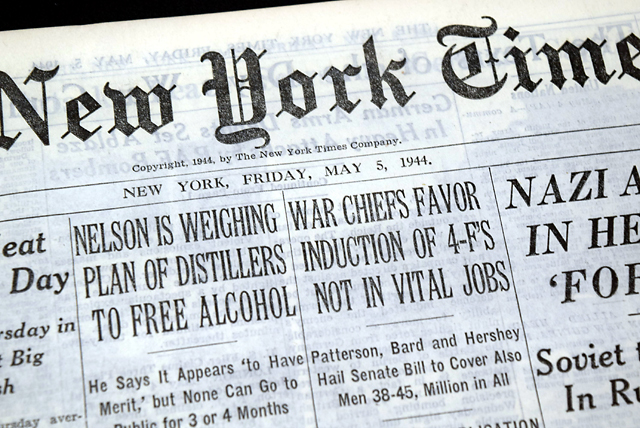
May 05, 1944
THE NEW YORK TIMES, May 5, 1944
* Alexander Fleming
* Penicillin - Penicillium
* Made available for public use
* World War II - WWII
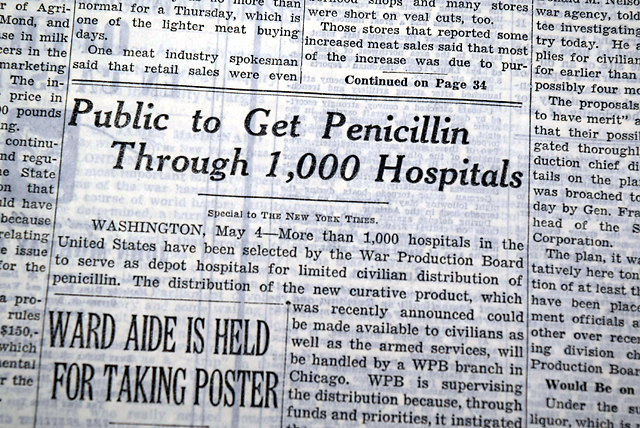
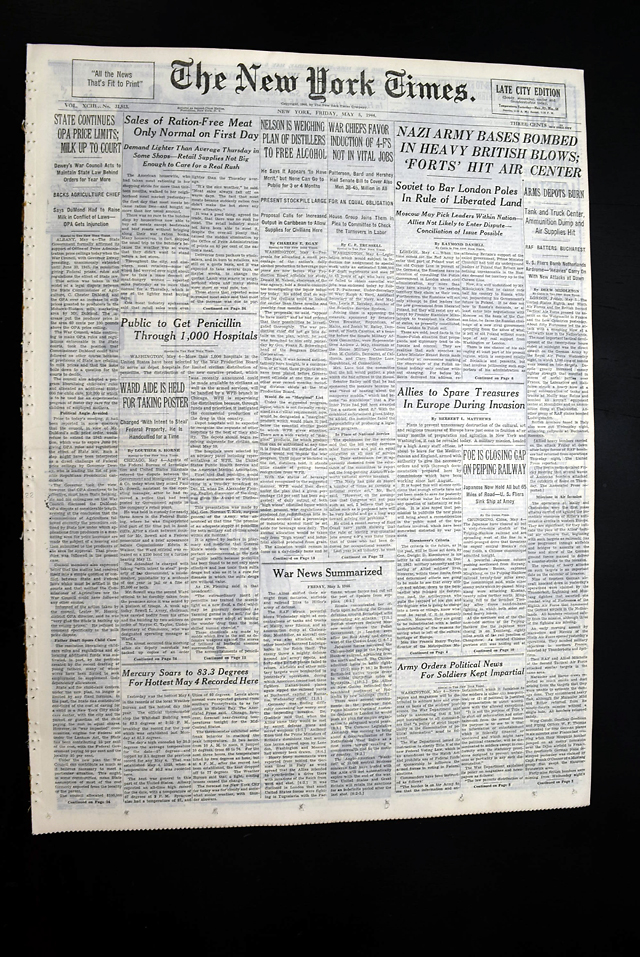
The front page has a two column heading: "Public to Get Penicillin Through 1,000 Hospitals" See below for background.
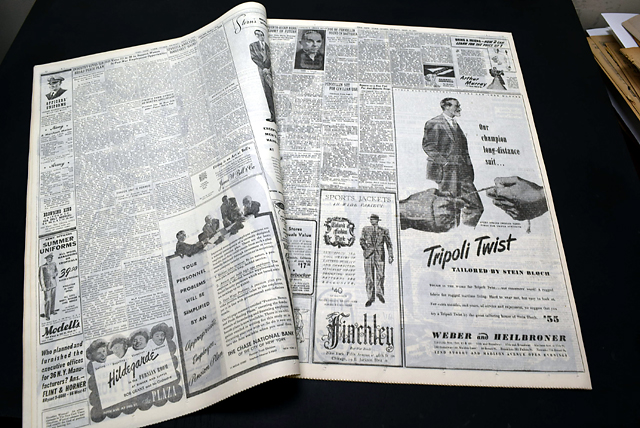
Complete in 34 pages, rag edition in great condition.
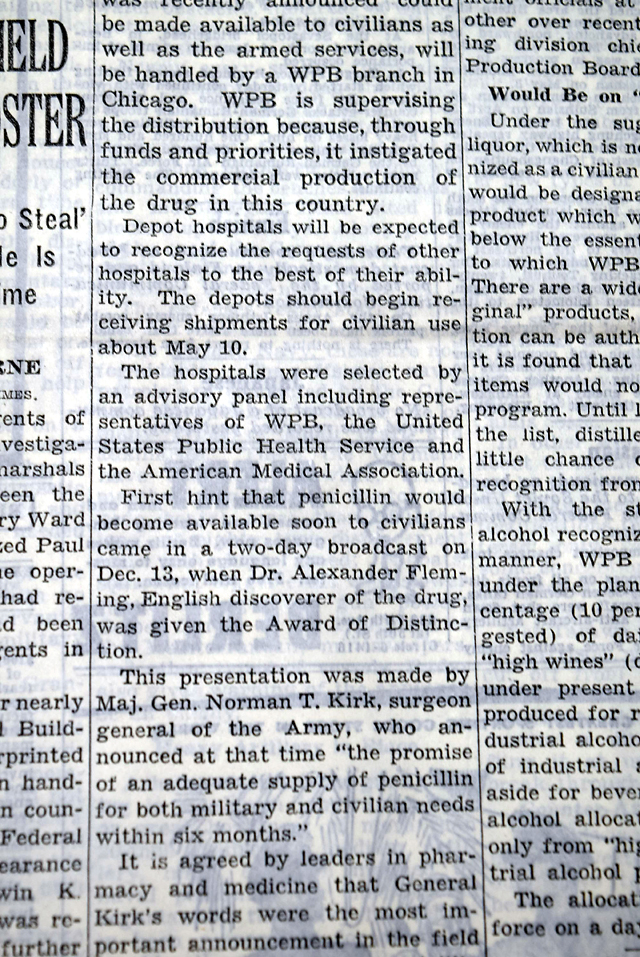
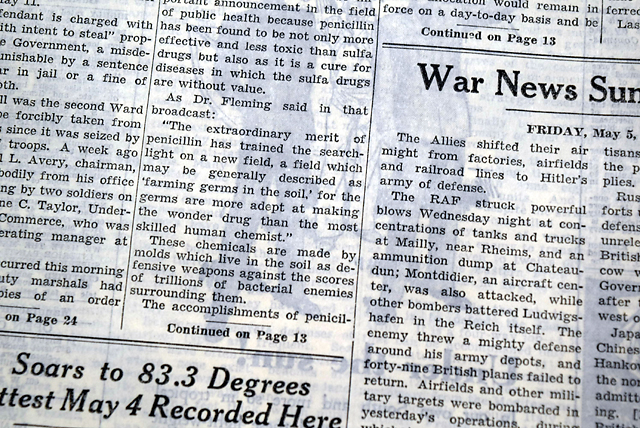
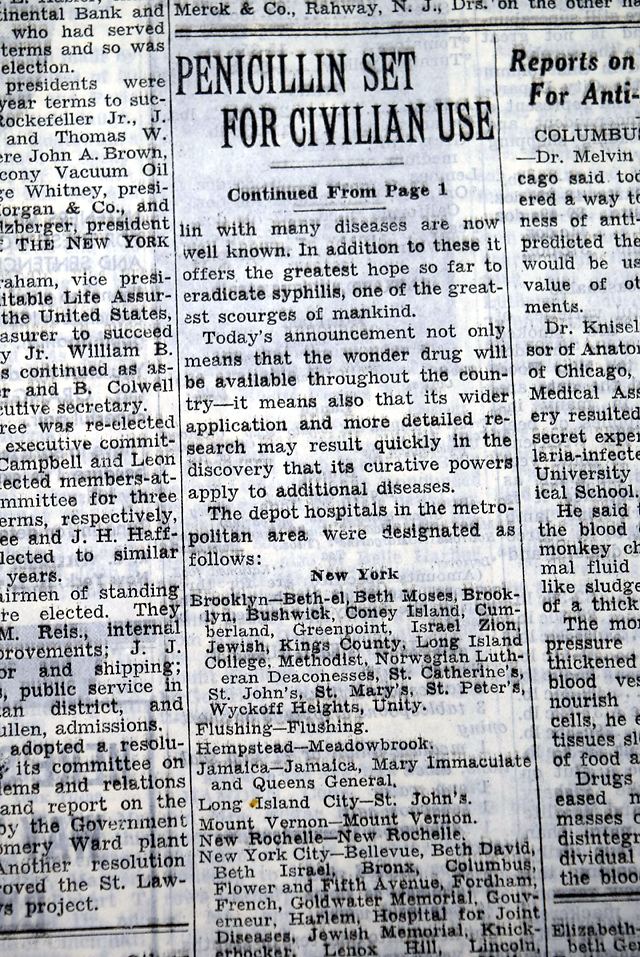
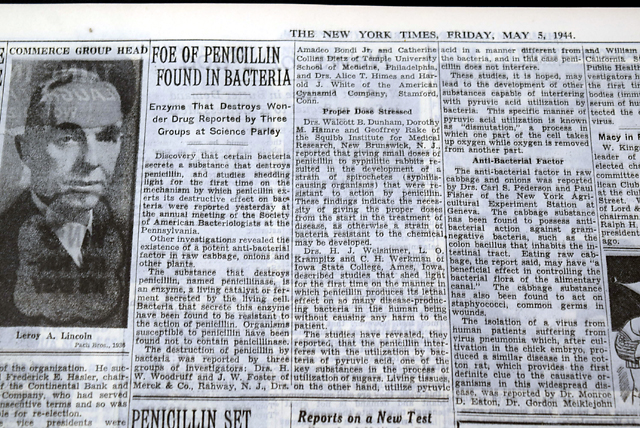
Background: This complete, 34-page issue of The New York Times from May 5, 1944, is a highly prized historical artifact that captures the exact dawn of the antibiotic age. Featuring a front-page heading announcing that the general public would finally receive penicillin through 1,000 civilian hospitals, the publication marks a monumental shift in modern medicine; prior to this moment, nearly the entire global supply of the "wonder drug" derived from Penicillium mold had been strictly monopolized by the military to treat Allied casualties during World War II. Alexander Fleming’s 1928 discovery had finally reached industrial-scale mass production, transitioning from a scarce wartime asset into a universally accessible lifesaver that would fundamentally alter human life expectancy. For historians and collectors of vintage media, a complete and intact 34-page weekday edition from this exact date is incredibly rare, as most newspapers from the WWII era were heavily recycled in wartime paper drives or have severely degraded over time, making this specific issue an exceptional, beautifully preserved window into a medical revolution that saved millions of civilian lives.
* Alexander Fleming
* Penicillin - Penicillium
* Made available for public use
* World War II - WWII
The front page has a two column heading: "Public to Get Penicillin Through 1,000 Hospitals" See below for background.
Complete in 34 pages, rag edition in great condition.
Background: This complete, 34-page issue of The New York Times from May 5, 1944, is a highly prized historical artifact that captures the exact dawn of the antibiotic age. Featuring a front-page heading announcing that the general public would finally receive penicillin through 1,000 civilian hospitals, the publication marks a monumental shift in modern medicine; prior to this moment, nearly the entire global supply of the "wonder drug" derived from Penicillium mold had been strictly monopolized by the military to treat Allied casualties during World War II. Alexander Fleming’s 1928 discovery had finally reached industrial-scale mass production, transitioning from a scarce wartime asset into a universally accessible lifesaver that would fundamentally alter human life expectancy. For historians and collectors of vintage media, a complete and intact 34-page weekday edition from this exact date is incredibly rare, as most newspapers from the WWII era were heavily recycled in wartime paper drives or have severely degraded over time, making this specific issue an exceptional, beautifully preserved window into a medical revolution that saved millions of civilian lives.
Category: World War II


