Home >
Timely report of the death of Wolfgang Amadeus Mozart...
Timely report of the death of Wolfgang Amadeus Mozart...
Item # 705254
December 01, 1791
THE GENTLEMAN'S MAGAZINE, London, December, 1791
* Wolfgang Amadeus Mozart death (1st report)
* Musical composer - Classical music era original
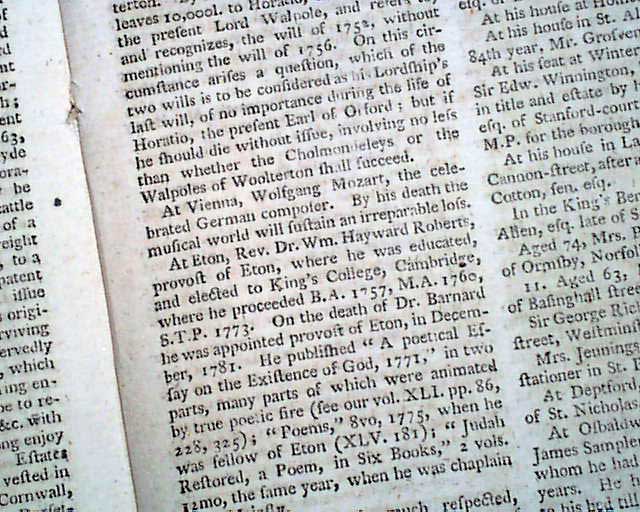
Presented inconspicuously among other death reports is a brief yet very notable report on the death of Wolfgang Amadeus Mozart, ending with a prophetic comment: "At Vienna, Wolfgang Mozart, the celebrated German composer. By his death the musical world will sustain an irreparable loss."
He died on December 5, making this a very timely report.
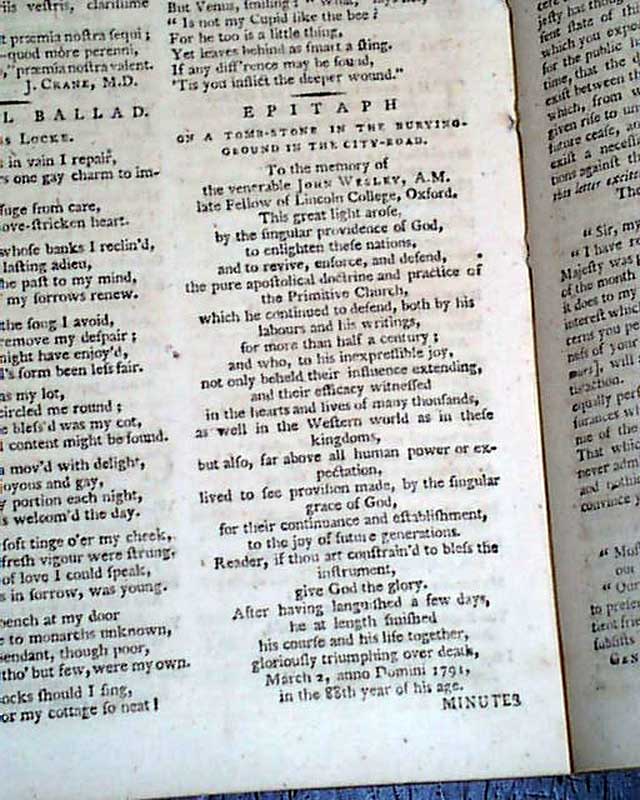
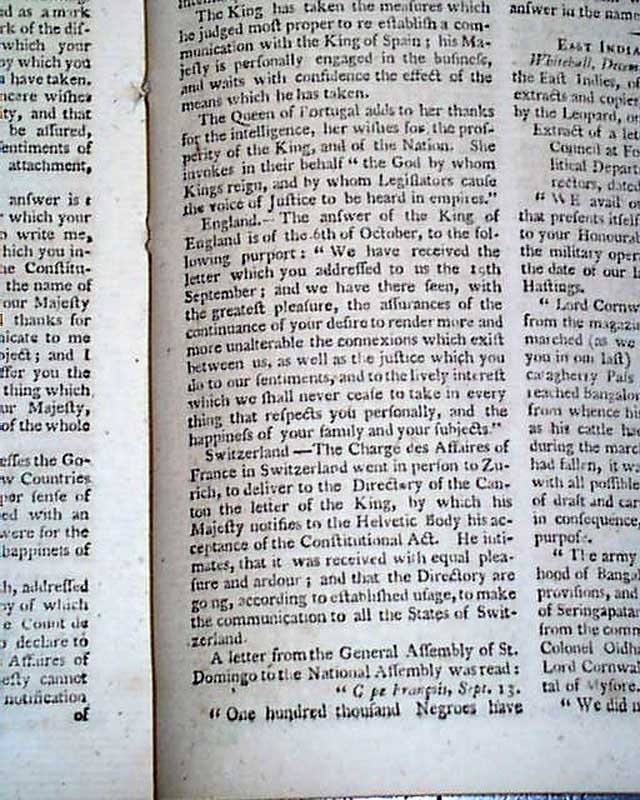
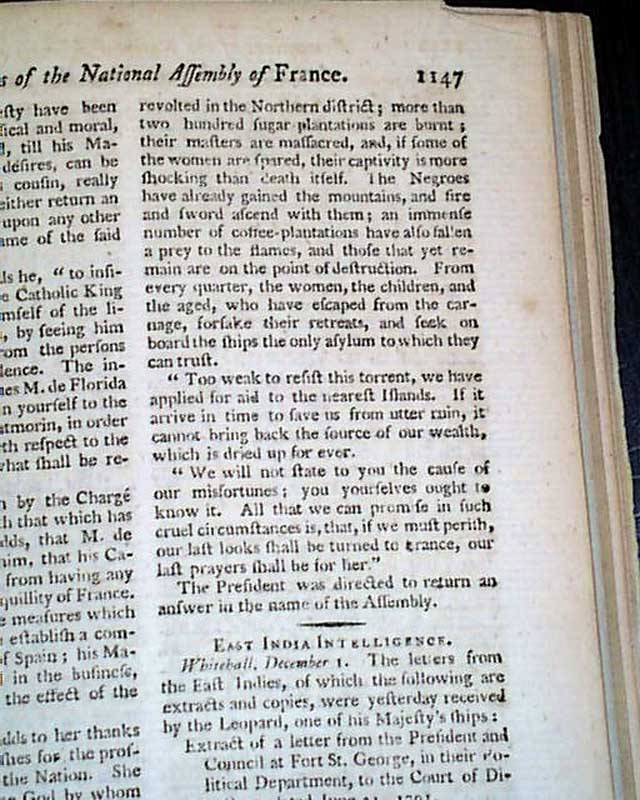
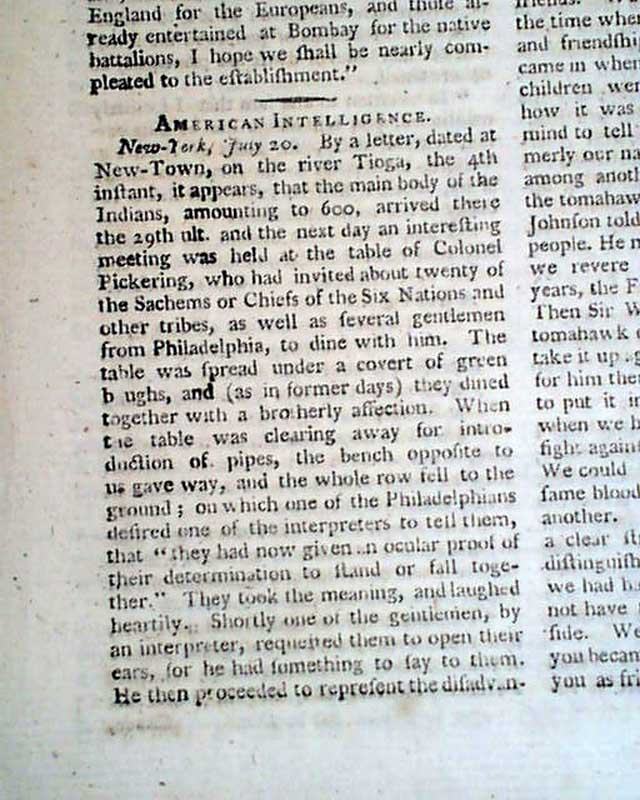
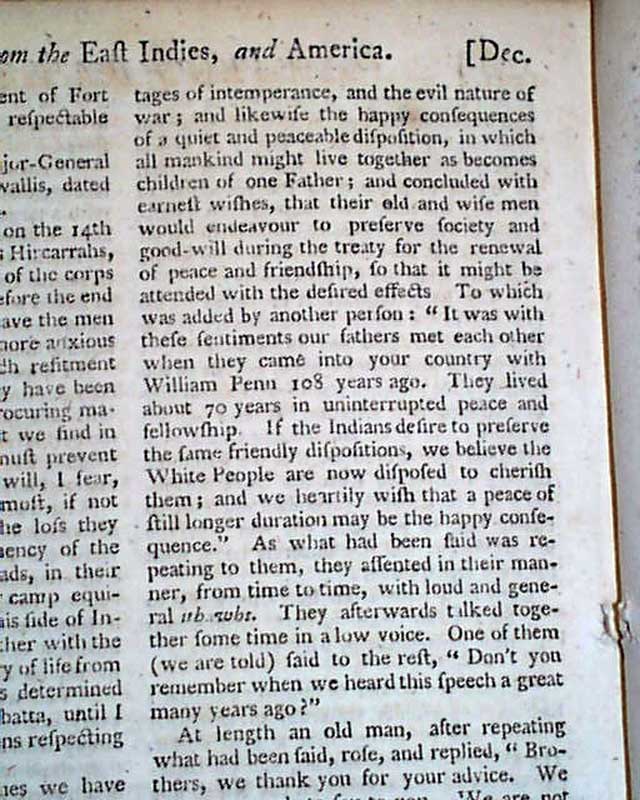
Also of curious interest is a report mentioning the finding of a stone pipe presented to William Penn by the Indians, as well as the text of the: "Epitaph On a Tomb-stone...To the memory of the venerable John Wesley...", the Father of Methodism who died in March of 1791. There is also a report of slaves revolting in Haiti.
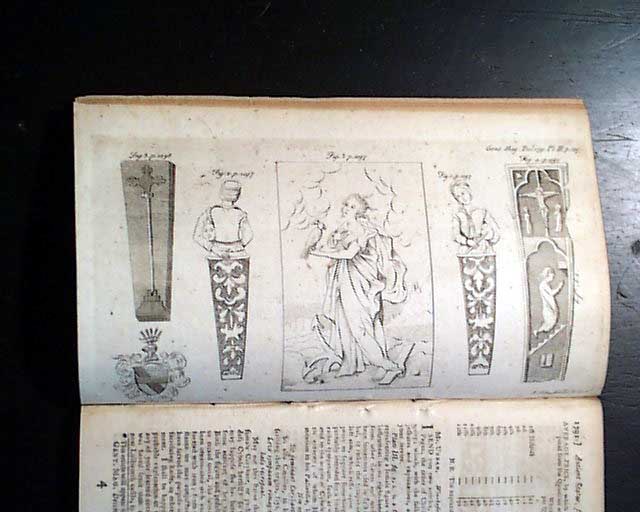
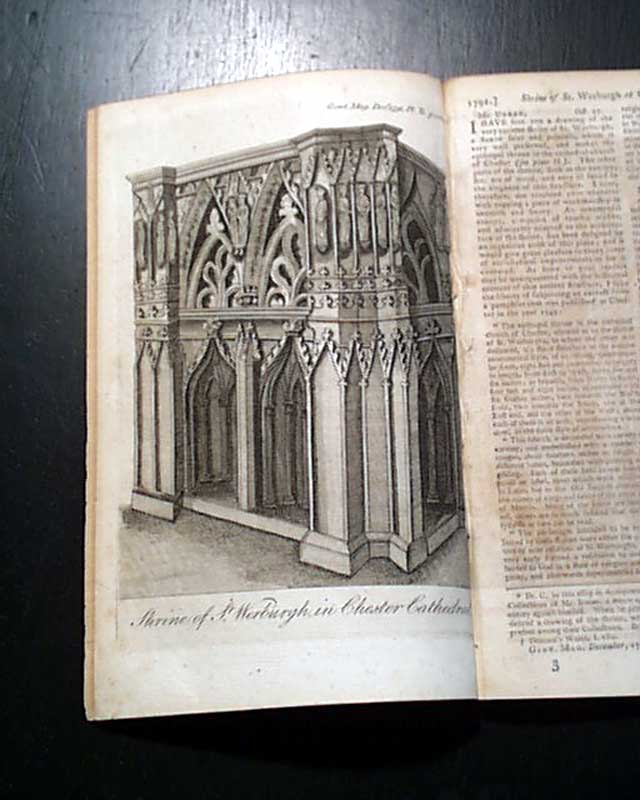
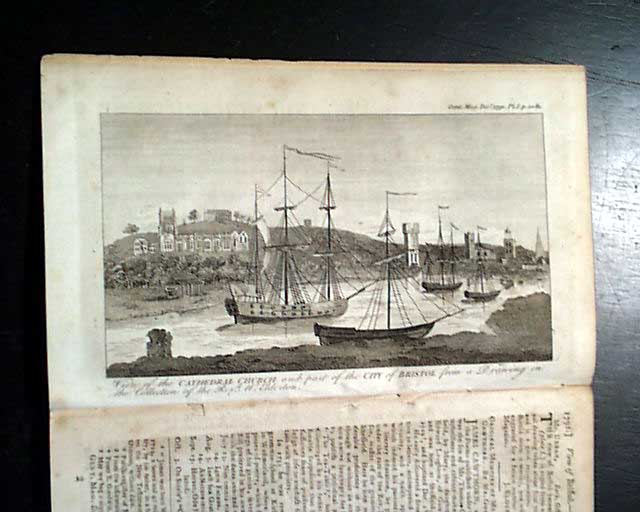
Included are three full page plates, one of which shows the cathedral in Bristol, England, with ships in the foreground.
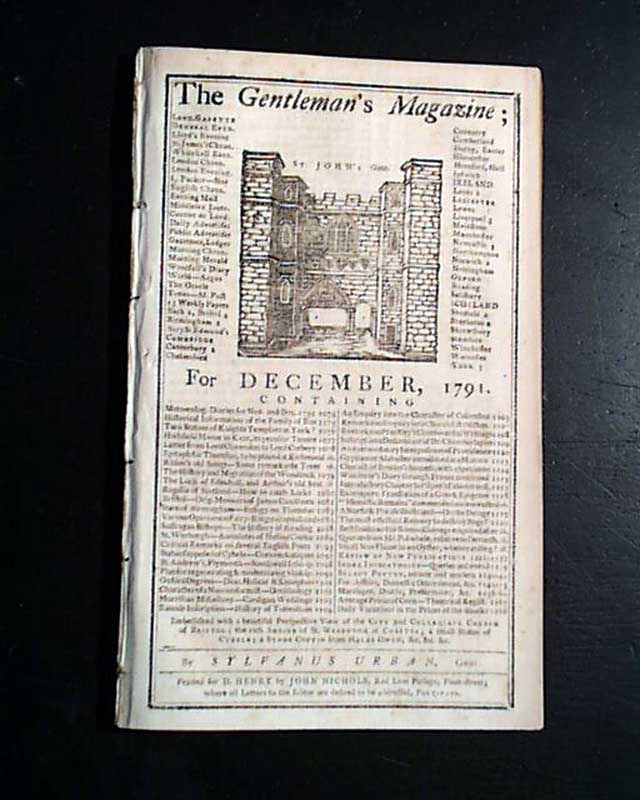
Complete in 96 pages, 5 1/4 by 8 1/2 inches full title/contents page which features an engraving of St. John's Gate, great condition.
background: Wolfgang Amadeus Mozart died on December 5, 1791, in Vienna at the age of 35, after a sudden illness that began in mid-November while he was composing his Requiem Mass in D minor, a work shrouded in mystery and left incomplete at his death. Though the true cause remains unknown, contemporary reports describe severe swelling, fever, and vomiting—symptoms that have led modern scholars to propose causes ranging from rheumatic fever and kidney disease to more exotic theories like trichinosis or even poisoning, the latter largely dismissed today. At the time, rumors of foul play circulated, fueled by Mozart's own paranoid suspicions in his final days, but historical evidence supports a natural illness. He was buried in a common grave at St. Marx Cemetery, as was standard practice for Viennese citizens of his class, not a sign of poverty or disgrace. Despite his untimely death, Mozart left behind over 600 works and a profound legacy that reshaped Western music, with the Requiem, later completed by his student Franz Xaver Süssmayr, standing as a haunting and fitting farewell.
A very nice magazine from the late 18th century with a wide range of varied content. This was the first periodical to use the word "magazine" in its title, having begun in 1731 and lasting until 1907.
Category: The 1600's and 1700's
Available Now
$425.00