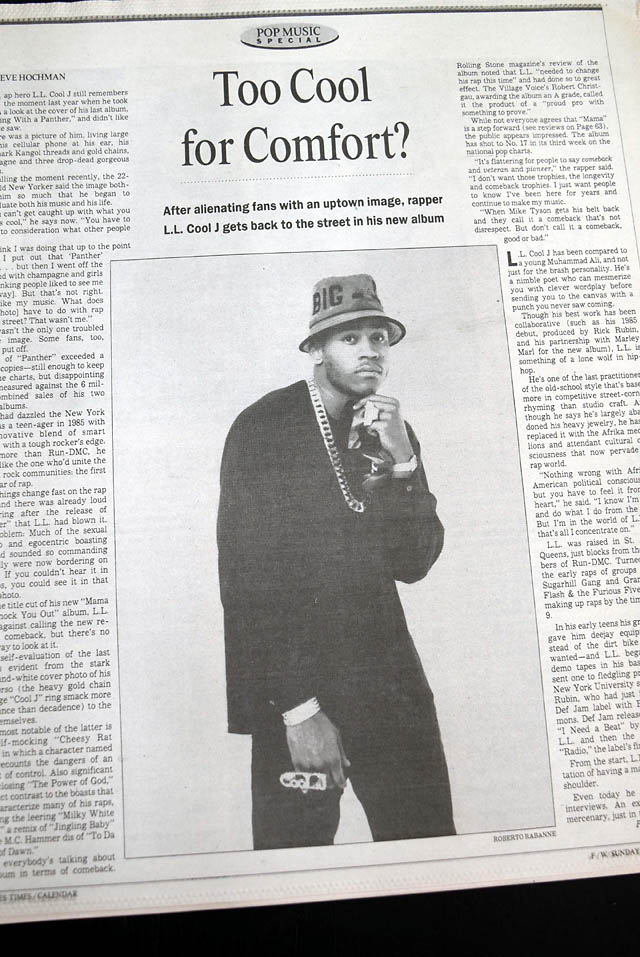
1990 Rapper L.L. Cool J editorial w/ photo...
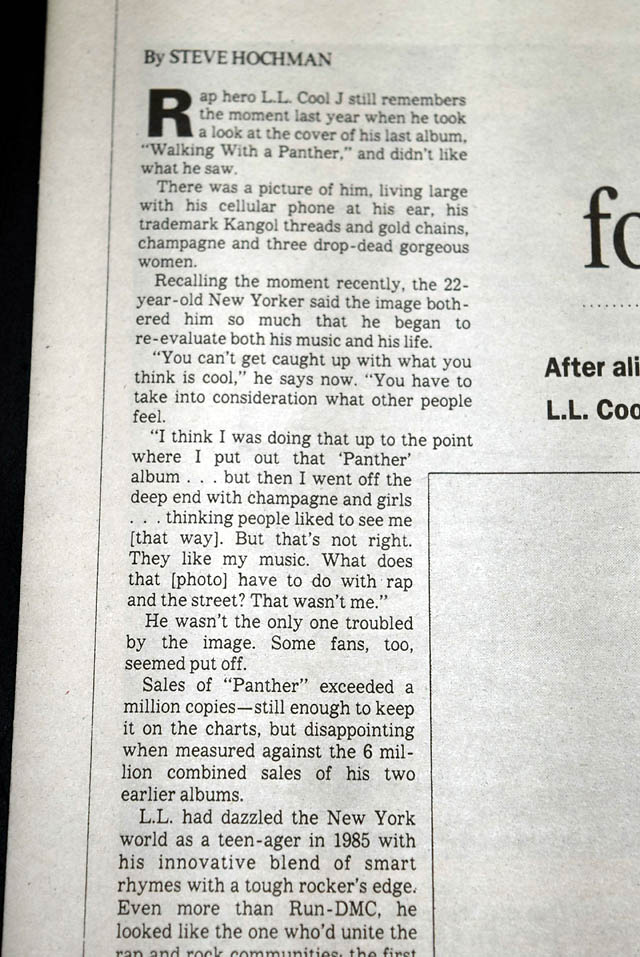
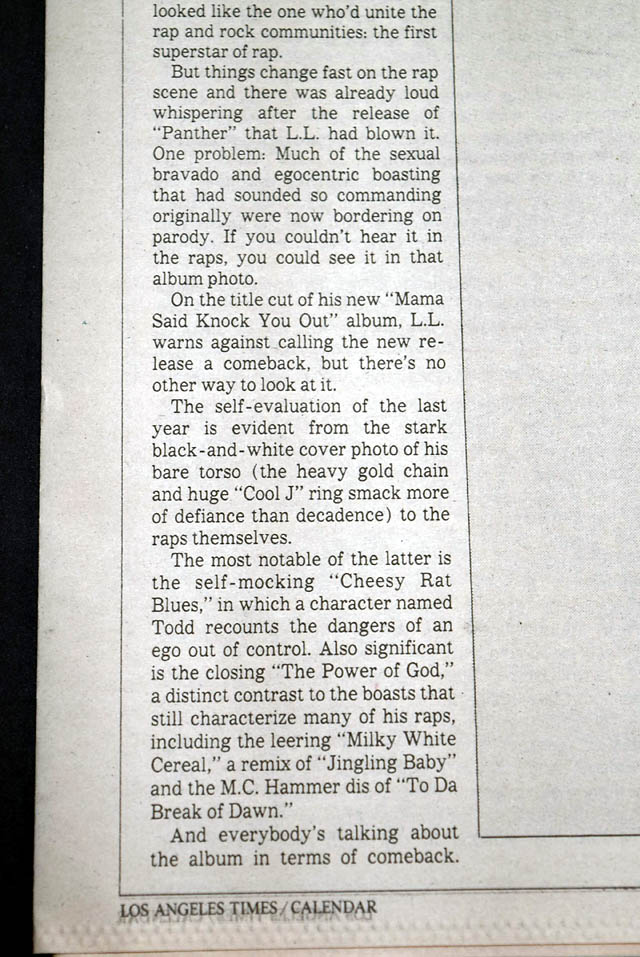
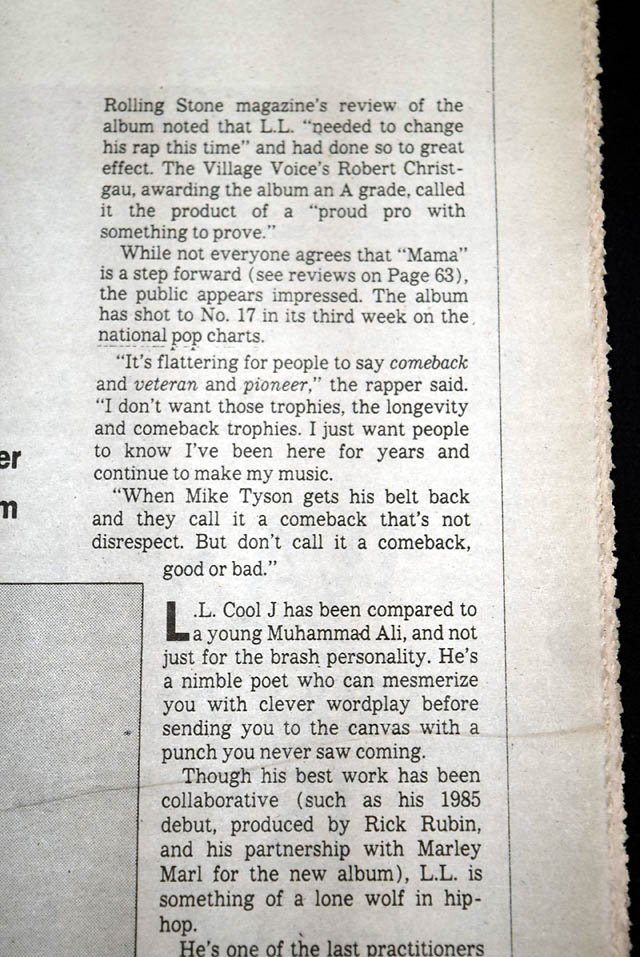
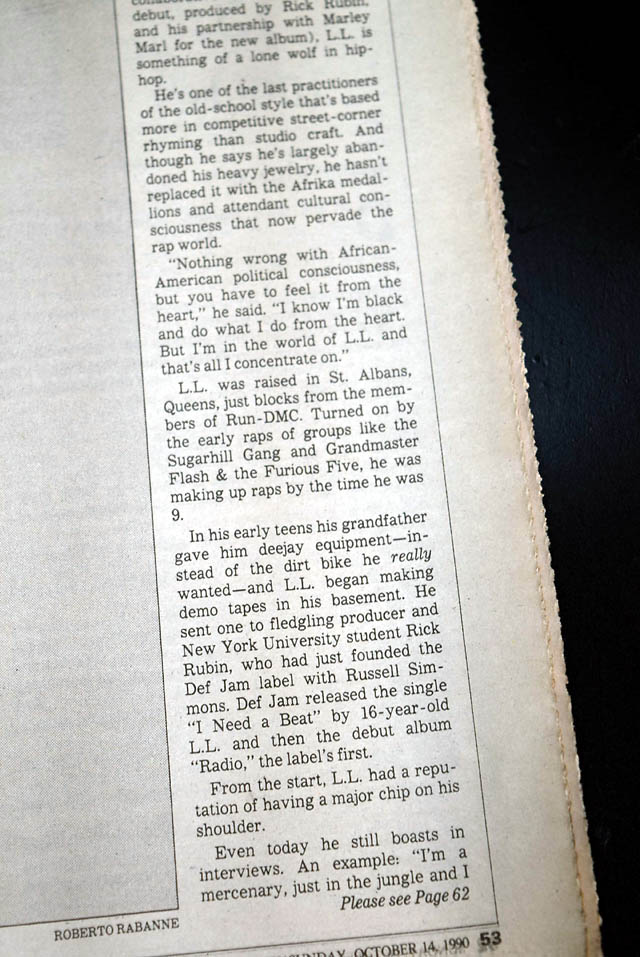
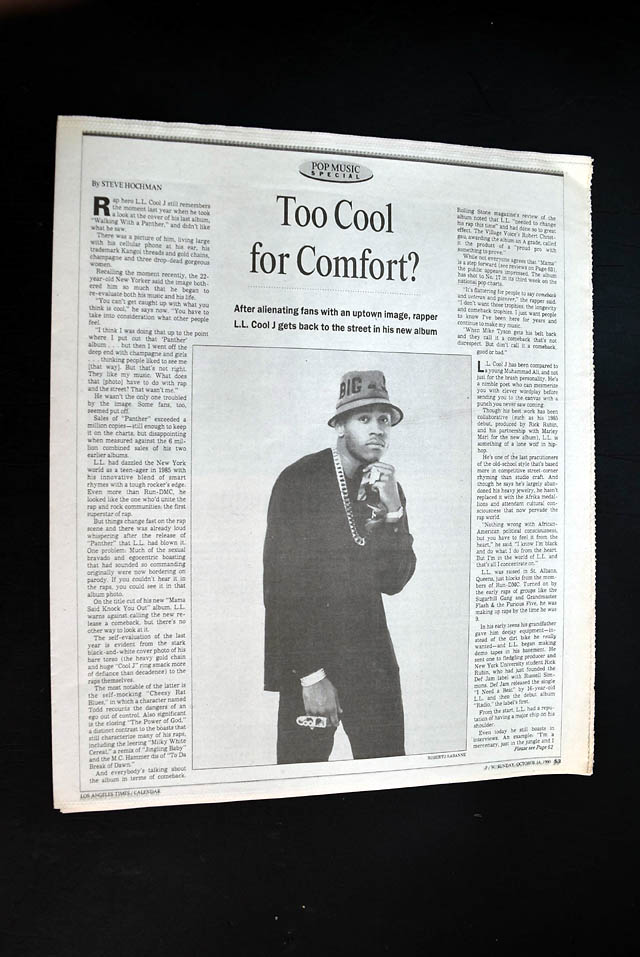
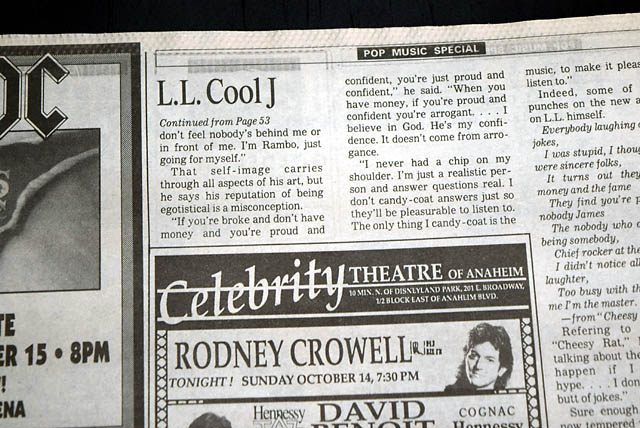
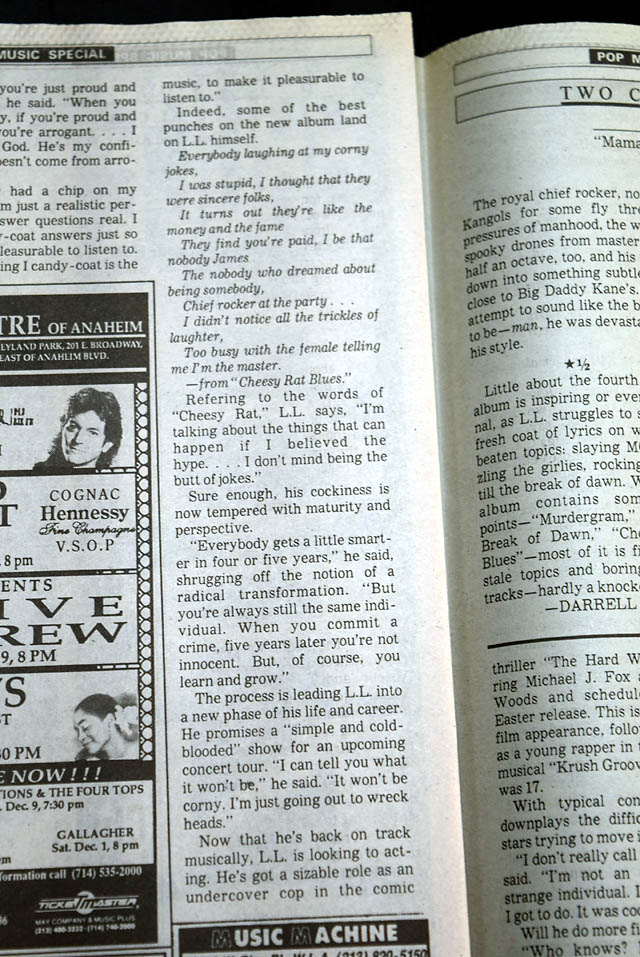
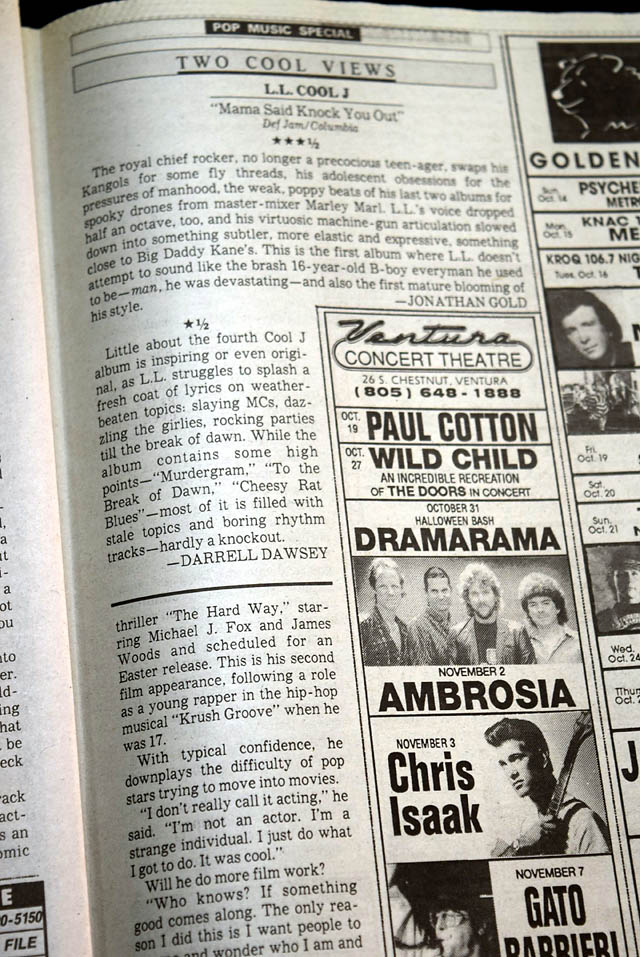
Original vintage newspaper leafs from the Los Angeles Times Calendar section dated Oct. 14, 1990 consists of eight complete pages (four double-sided sheets on two single leafs) featuring a collectible editorial by Steve Hochman on the hip hop rapper "L.L. COOL J" with photo. (see images)
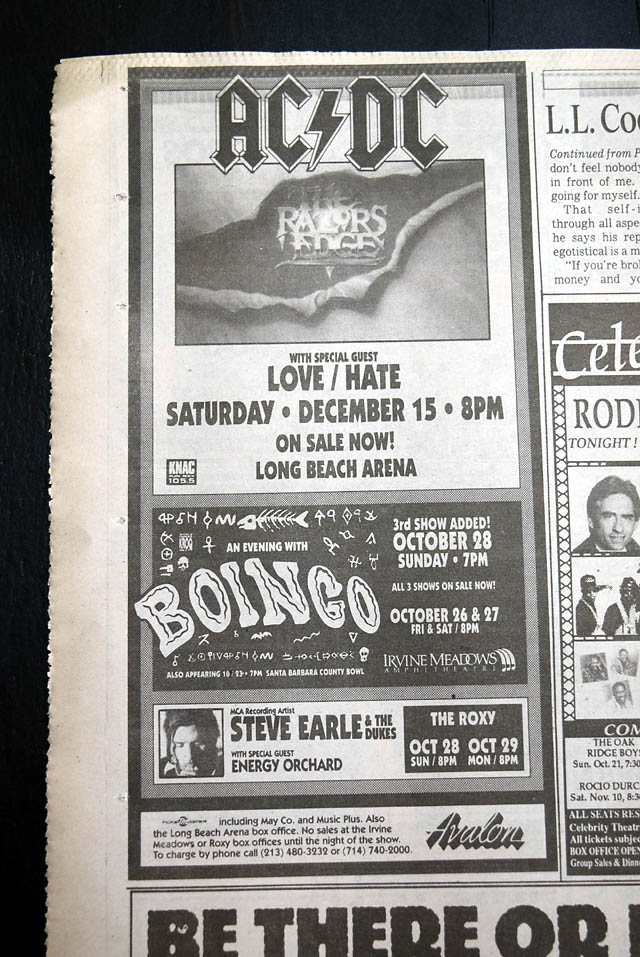
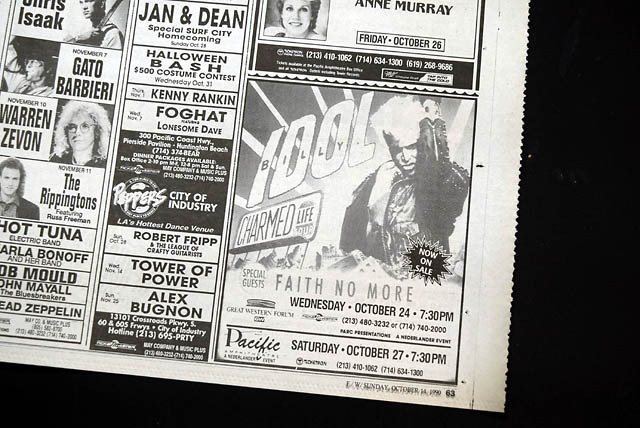
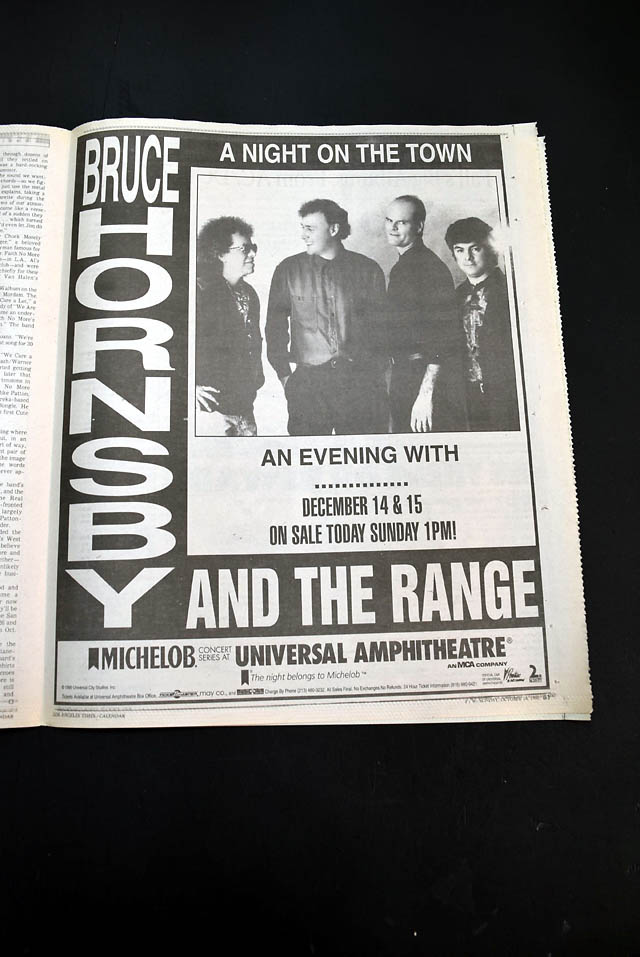
In addition to the featured editorial which captures the era's unique promotional graphic design and typography, the surrounding pages provide a fascinating cultural snapshot of late 20th-century entertainment. Printed on authentic aged newsprint with genuine vintage toning, this original leaf is not a modern reprint, making it an ideal candidate for custom framing, local history display, or inclusion in a dedicated rock or pop culture memorabilia collection.
I suspect this item to be an extremely rare item because there was really no reason to save it at the time.
Background: Steve Hochman's featured editorial caught LL Cool J at a pivotal turning point in hip-hop history immediately following the release of his defining album, Mama Said Knock You Out. What makes the piece so notable is its rare focus on a hip-hop artist navigating a "comeback" career arc—a narrative framework almost unheard of in the 1980s and early 1990s, when rap was still widely mischaracterized by mainstream press as a ephemeral trend with short artist lifespans. Hochman’s in-depth coverage provided unprecedented main-stage validation from a major metropolitan daily, capturing candid, self-reflective insights from the 22-year-old rapper on surviving sudden superstardom, learning from the critical backlash of 1989's Walking Like a Panther, and deliberately recalibrating his sound with producer Marley Marl to reclaim street credibility. Ephemera of this caliber—vintage Sunday print editions featuring early, full-page coverage of foundational hip-hop icons—are increasingly scarce, making this particular issue a prized archival item for rap historians, pop-culture archivists, and original print collectors documenting the era when hip-hop matured into a permanent force in American culture.
Other issues you may like
§ related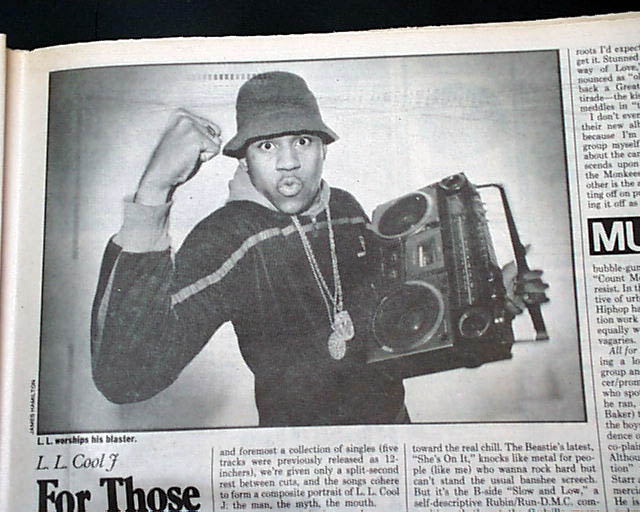
THE VILLAGE VOICE (weekly), Greenwich Village, New York City, Jan. 28, 1986
- Rapper and actor "LL Cool J" editorial
- New-school hip hop pioneer - rap music
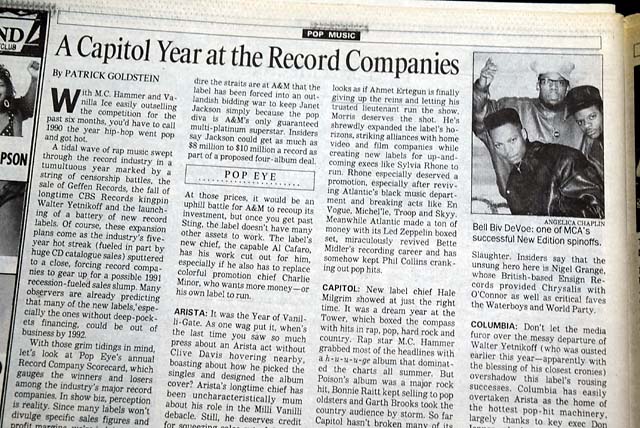
Sunday edition CALENDAR SECTION only of the Los Angeles Times, Dec. 30, 1990
- West Coast hip-hop gangsta rap music
- M.C. Hammer - Vanilla Ice and more
Often
...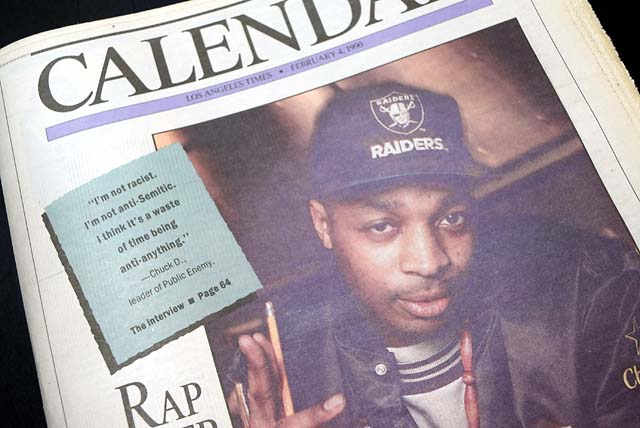
Sunday CALENDAR SECTION only of the Los Angeles Times, Feb. 4, 1990
- The birth of West Coast "gangsta rap"
- "Public Enemy" hip hop group
- Interview w/ Chuck D
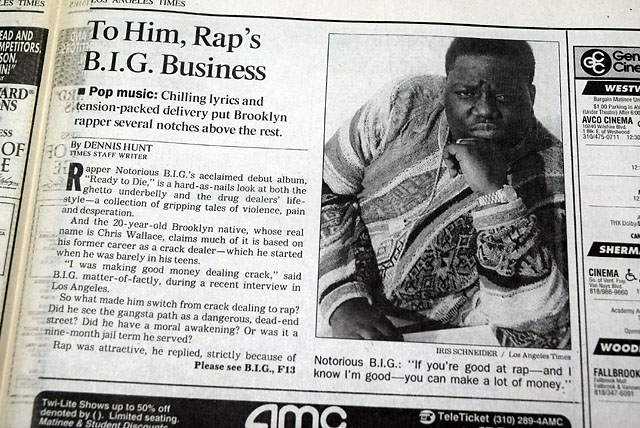
CALENDAR SECTION only of the Los Angeles Times, March 27, 1995
- The Notorious B.I.G. - Biggie Smalls
- East Coast hip-hop - gangsta rapper
- Just after debut album