1995 The Notorious B.I.G. - Biggie Smalls...
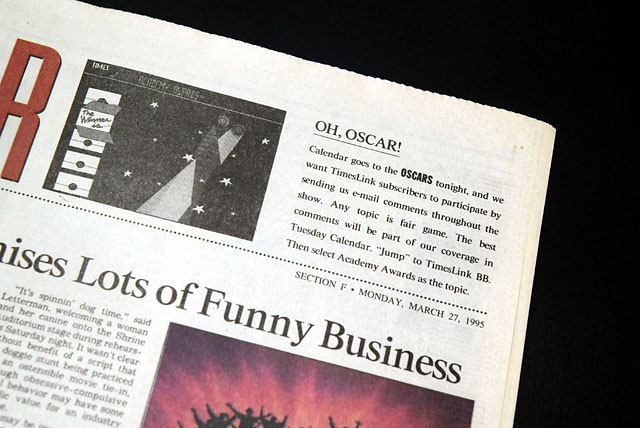
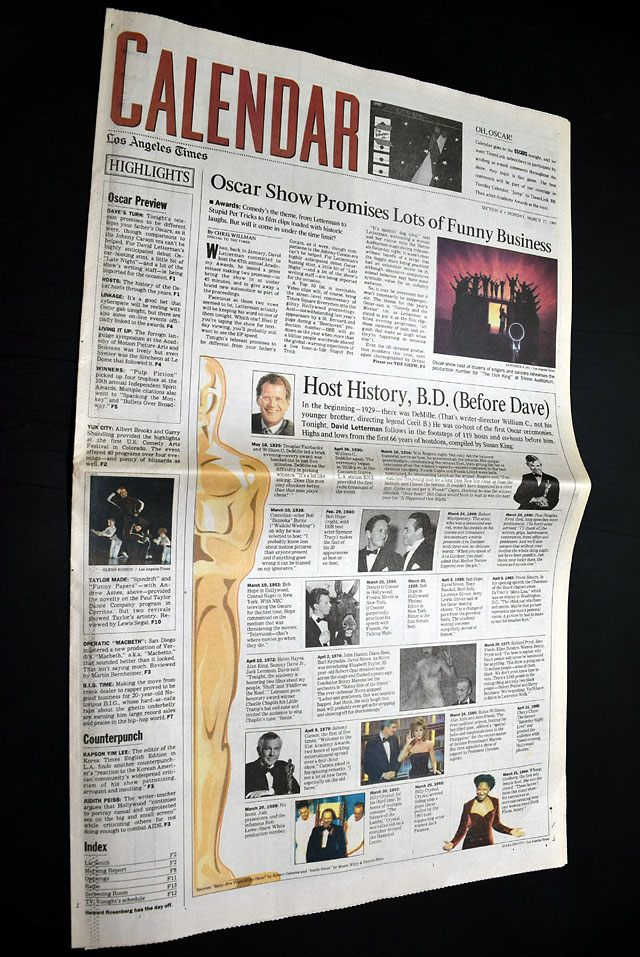
CALENDAR SECTION only of the Los Angeles Times, March 27, 1995
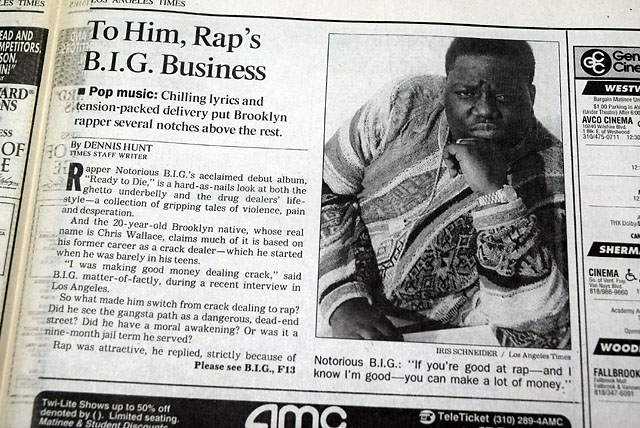
- The Notorious B.I.G. - Biggie Smalls
- East Coast hip-hop - gangsta rapper
- Just after debut album "Ready to Die"
Often revered as the undisputed "bible" of Hollywood, the Sunday Calendar section occupied a rare space in journalism where a single publication could simultaneously dictate global entertainment trends and govern the inner workings of show business. Today, physical copies are an absolute rarity, largely because they were printed on standard, ephemeral newsprint designed to be devoured and promptly discarded at the end of the week.
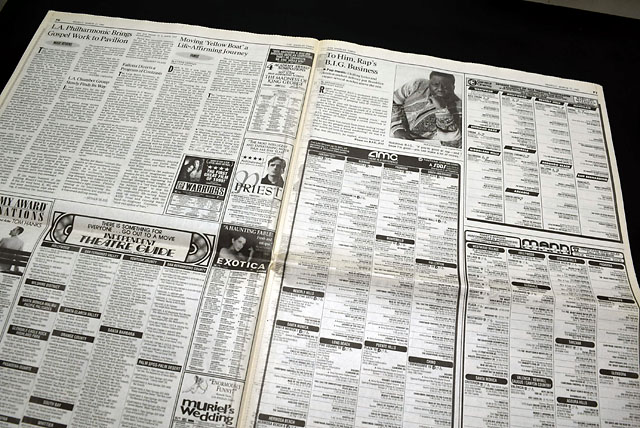
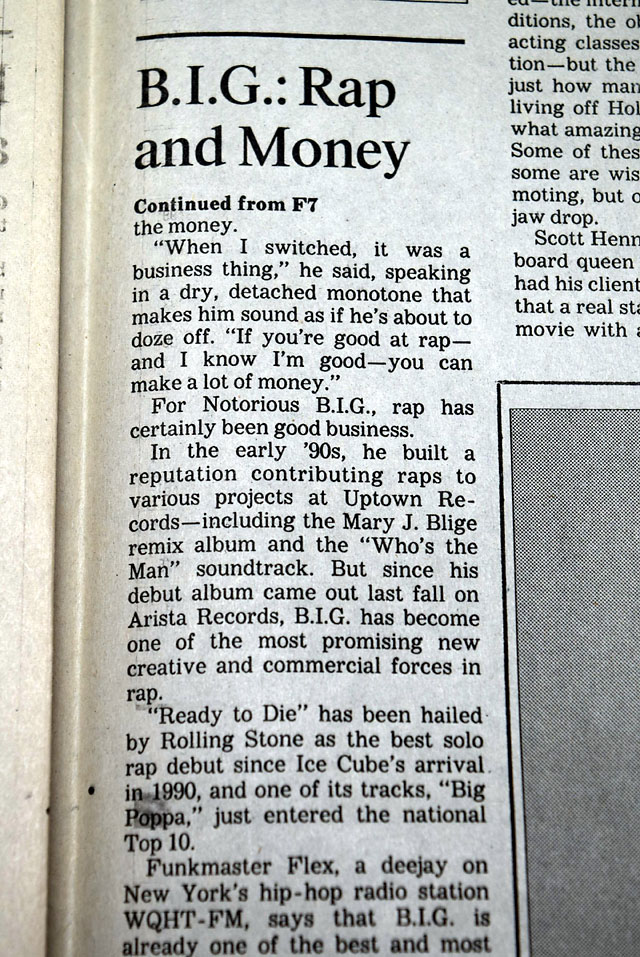
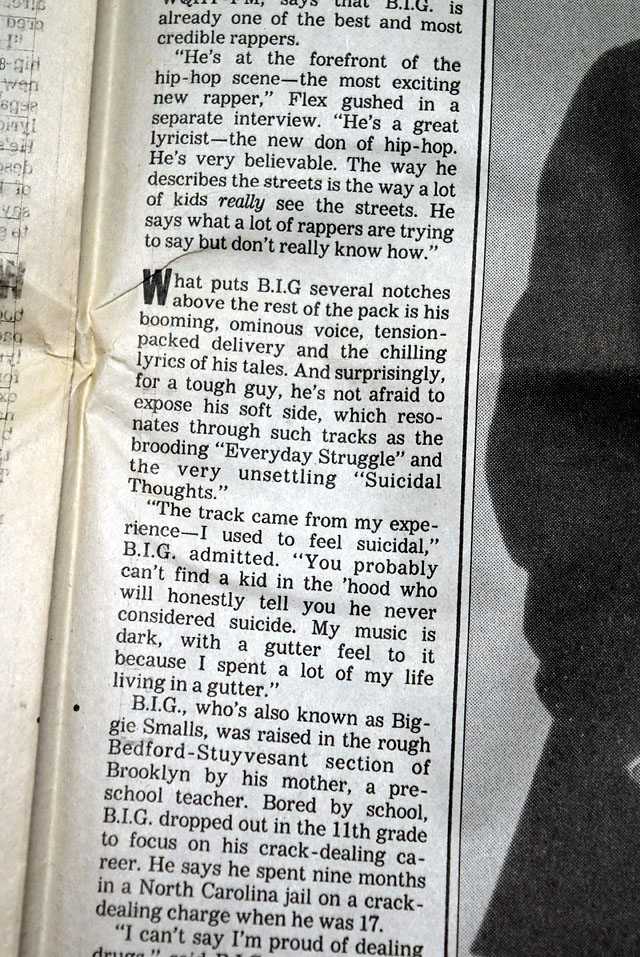
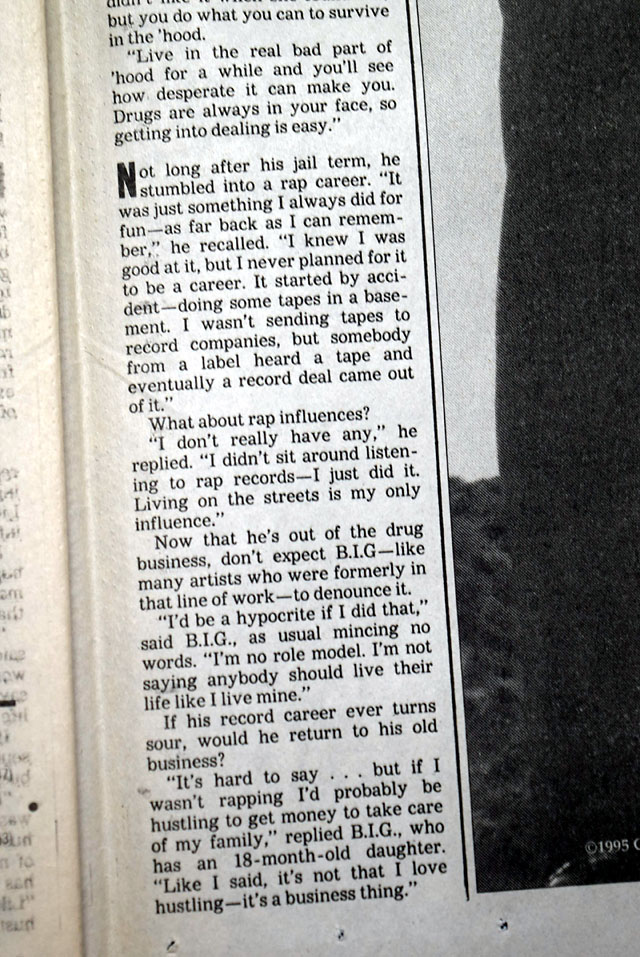
The top of page 7 of this section has a two column heading: "To Him, Rap's B.I.G. Business" with subhead and photo. (see images)
Provenance note: This issue comes from The Los Angeles Times own archives, part of their in-house collection used to create their digital archive. Rare as such.
I suspect this to be an extremely rare item because there was really no reason to save it at the time.
Complete with all 14 pages, in very nice condition.
Background: The convergence of The Notorious B.I.G.’s chart dominance, his Best Rap Album win at the 1995 Soul Train Music Awards in Los Angeles, and the mainstream media’s ensuing analysis marked a critical turning point where hip-hop’s geopolitical landscape officially fractured. For nearly three years, the West Coast’s G-Funk sound had held a virtual monopoly on the genre's commercial and cultural real estate, but Biggie's literal and figurative invasion of LA territory proved that the East Coast had mounted a formidable mainstream counter-offensive. By taking home a major award on West Coast soil just as "Big Poppa" conquered national airwaves, Wallace didn't just cement Ready to Die as a cinematic masterpiece; he shattered the narrative that gritty New York storytelling couldn't compete commercially with sunny, radio-friendly California hooks. This exact window in March 1995 crystallized the transition of the East-West rivalry from underground hip-hop friction into a highly visible, media-fueled national phenomenon, forcing mainstream institutions like the Los Angeles Times to acknowledge that the epicenter of musical gravity was violently shifting back toward New York.
Other issues you may like
§ related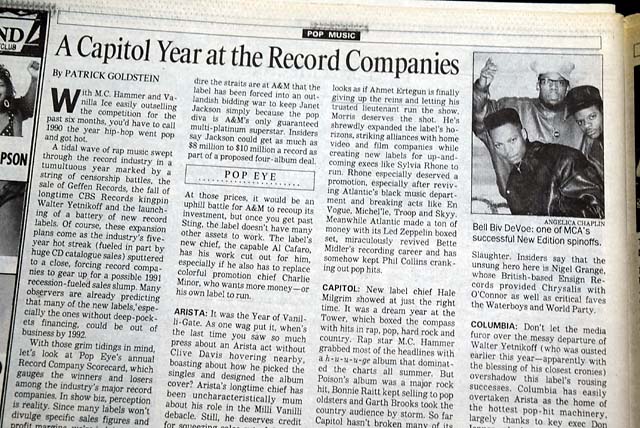
Sunday edition CALENDAR SECTION only of the Los Angeles Times, Dec. 30, 1990
- West Coast hip-hop gangsta rap music
- M.C. Hammer - Vanilla Ice and more
Often
...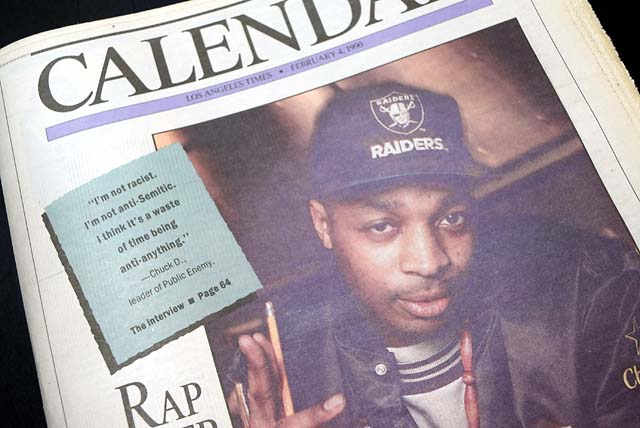
Sunday CALENDAR SECTION only of the Los Angeles Times, Feb. 4, 1990
- The birth of West Coast "gangsta rap"
- "Public Enemy" hip hop group
- Interview w/ Chuck D
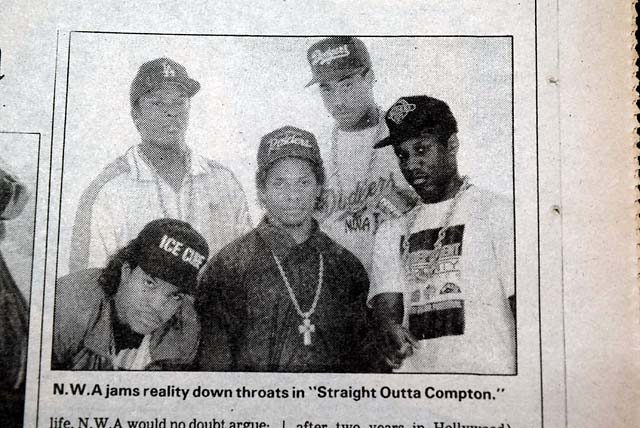
Sunday CALENDAR SECTION only of the Los Angeles Times, March 19, 1989
- The birth of West Coast "gangsta rap"
- Dre. Dre - Eazy-E & more - N.W.A.
- Rappers music -
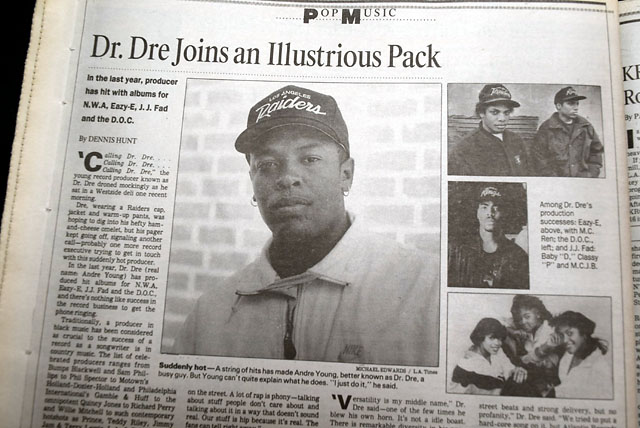
Sunday CALENDAR SECTION only of the Los Angeles Times, Oct. 22, 1989
- The birth of West Coast "gangsta rap"
- Dre. Dre - Eazy-E & more - N.W.A.
- Rappers music -