1997 Reno v. American Civil Liberties Union...
LOS ANGELES TIMES, June 27, 1997
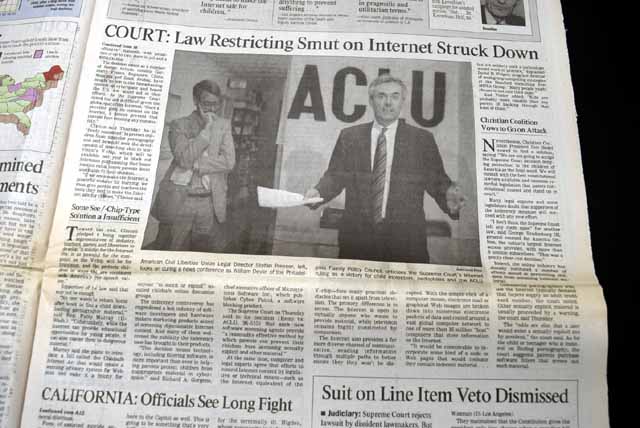
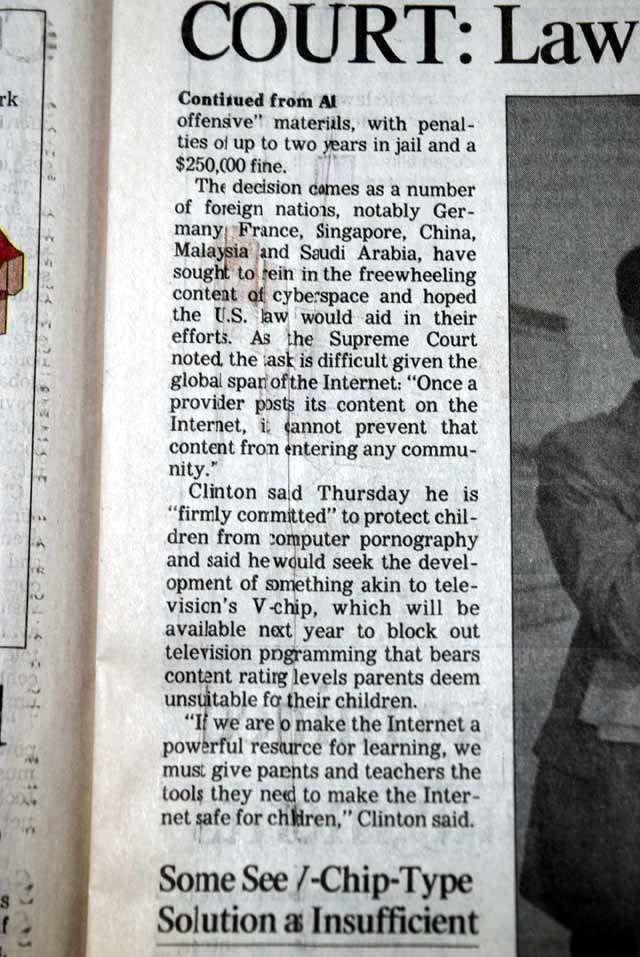
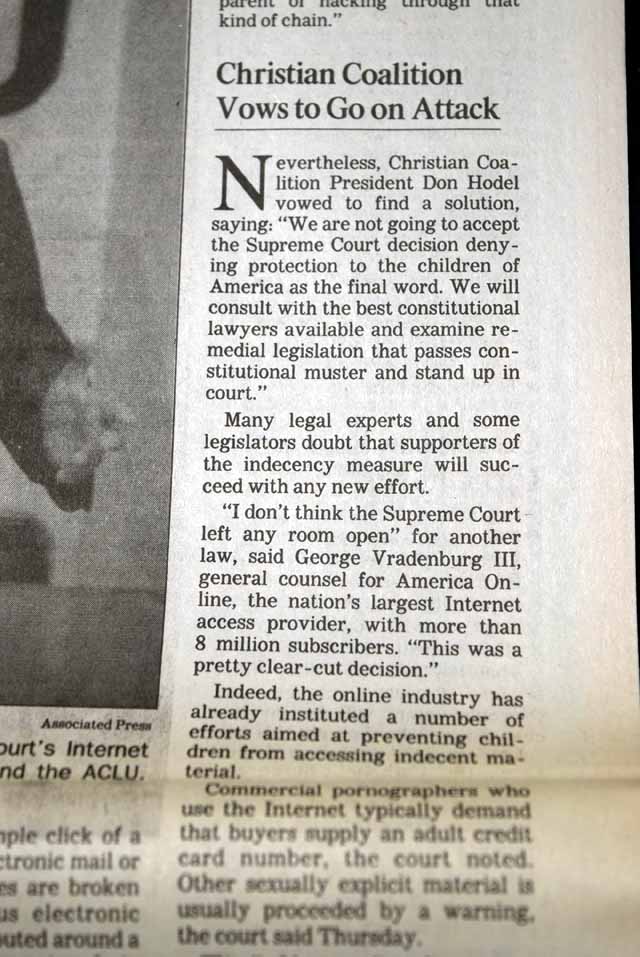
- Communications Decency Act unconstitutional
- Reno v. American Civil Liberties Union
- "Magna Carta" of digital speech - First Amendment
- Obscene material on the World Wide Web
- Supreme Court of the United States
- 1st major SCOTUS decision re. the internet
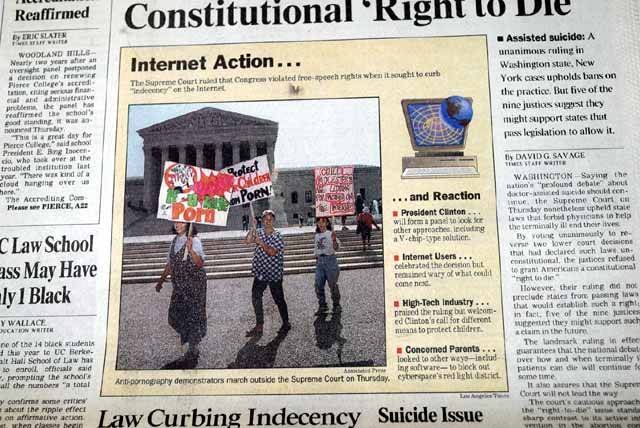
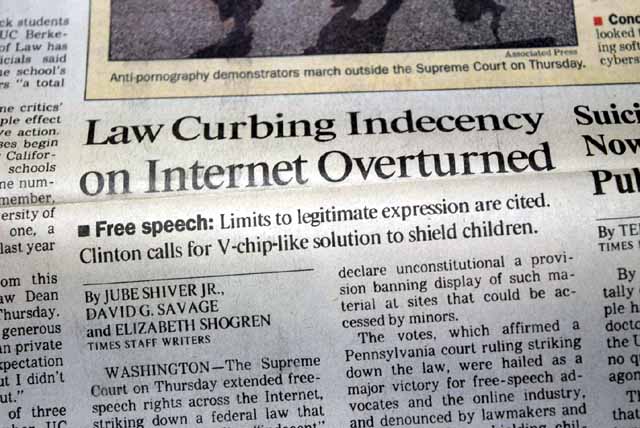
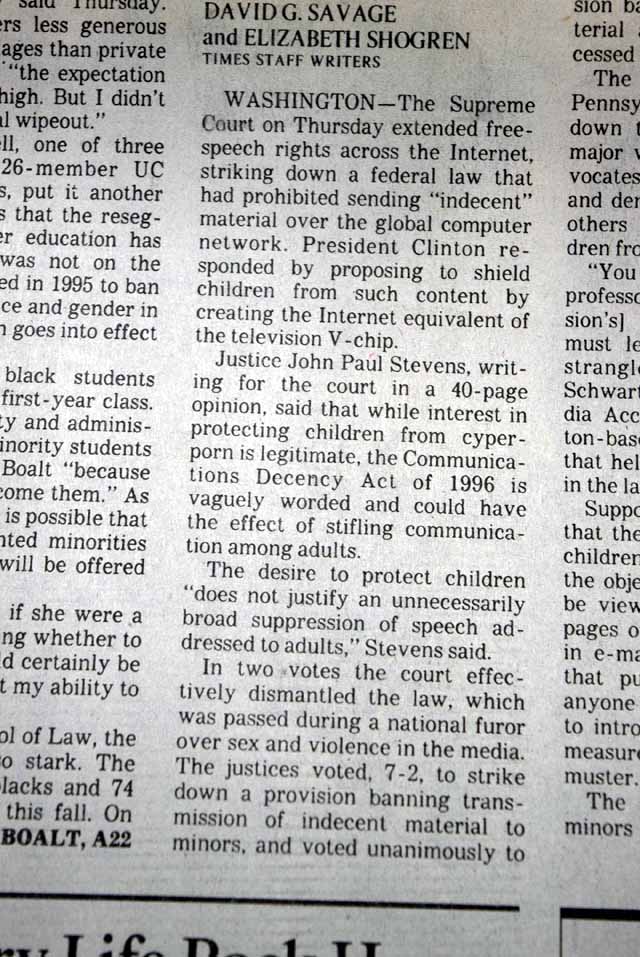
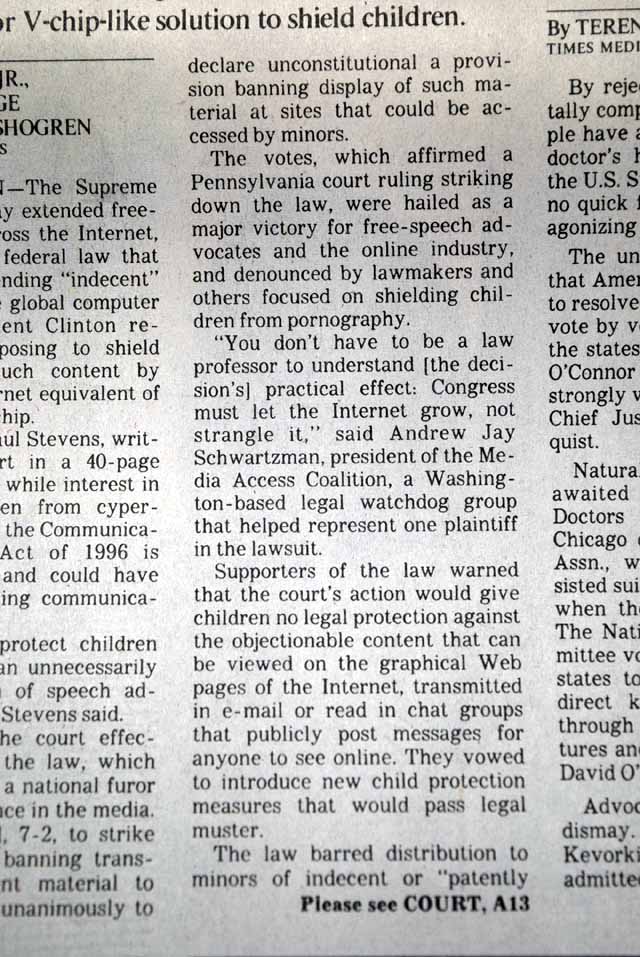
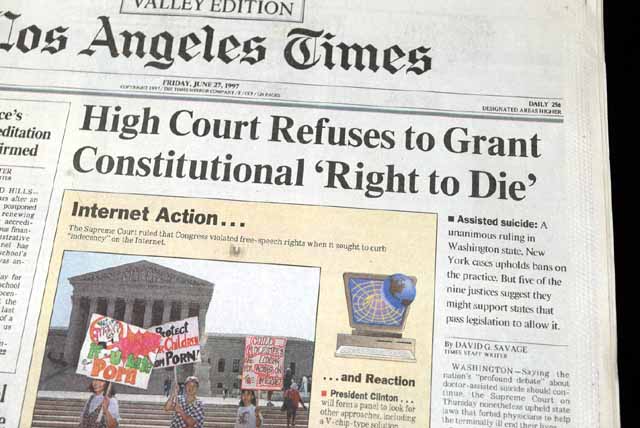
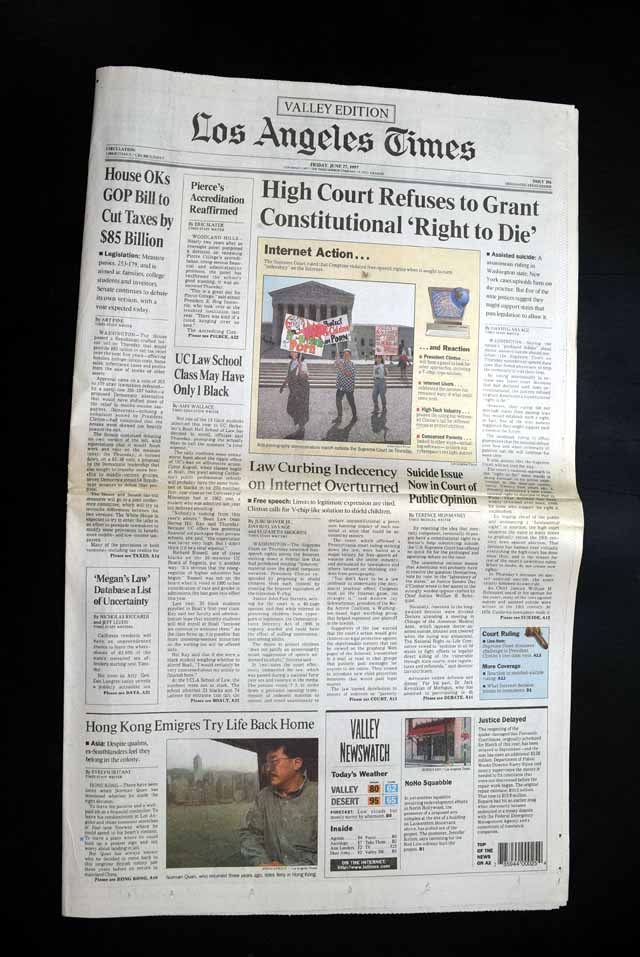
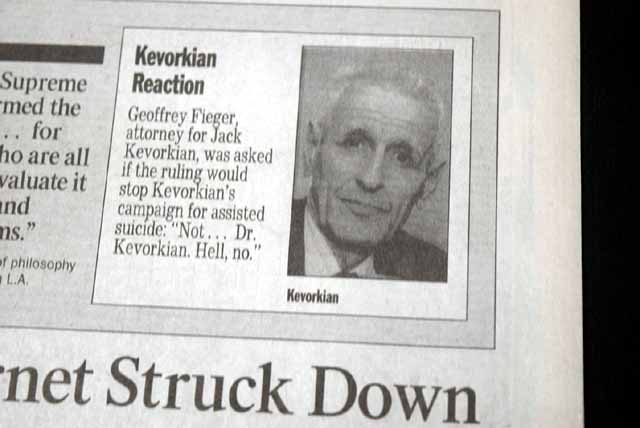
The front page has a two column heading: "Law Curbing Indecency on Internet Overturned" with subhead and related photo. (see images)
Complete with all sections (100+ pages), very nice condition.
Background: The Supreme Court’s 1997 ruling in Reno v. American Civil Liberties Union stands as the definitive "Magna Carta" of digital speech, establishing the foundational legal framework that allowed the modern internet to flourish. By rejecting government-mandated censorship and granting cyberspace the highest level of First Amendment protection—on par with print media rather than highly regulated broadcast television—the decision prevented the early World Wide Web from being sterilized into a tightly controlled, child-safe utility. This landmark precedent effectively shifted the burden of online content regulation from federal gatekeepers to individual users and parents through filtering software, creating a permissive legal environment that catalyzed unparalleled technological innovation, digital commerce, and democratic expression. Ultimately, by defending the rights of adults to access explicit content, the Court ensured that the internet would develop into a vast, uninhibited global marketplace of ideas, fundamentally shaping how humanity communicates, creates, and shares information in the twenty-first century.
Other issues you may like
§ related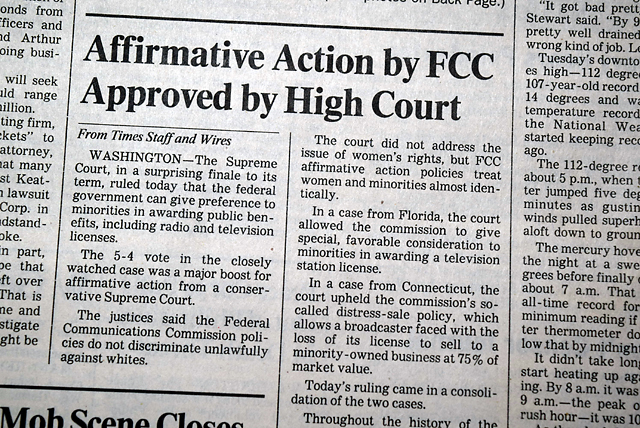
LOS ANGELES TIMES, June 27, 1990
- FCC Affirmative Action case ruling
- Supreme Court of the United States
- Metro Broadcasting, Inc. v. FCC
The front page has a
...
LOS ANGELES TIMES, June 26, 1997
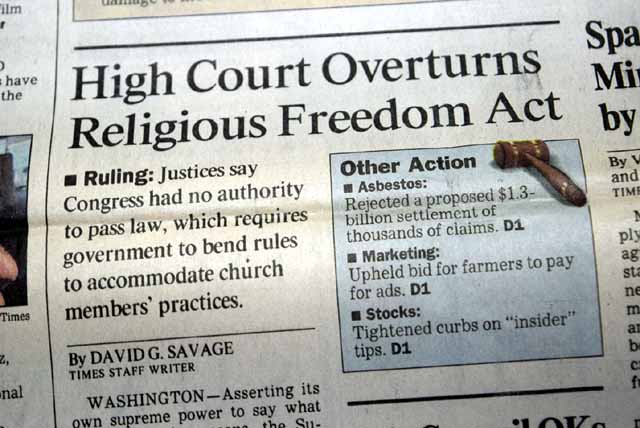
- Religious Freedom Restoration Act (RFRA)
- City of Boerne v. Flores landmark decision
- Supreme Court of the United States
The
...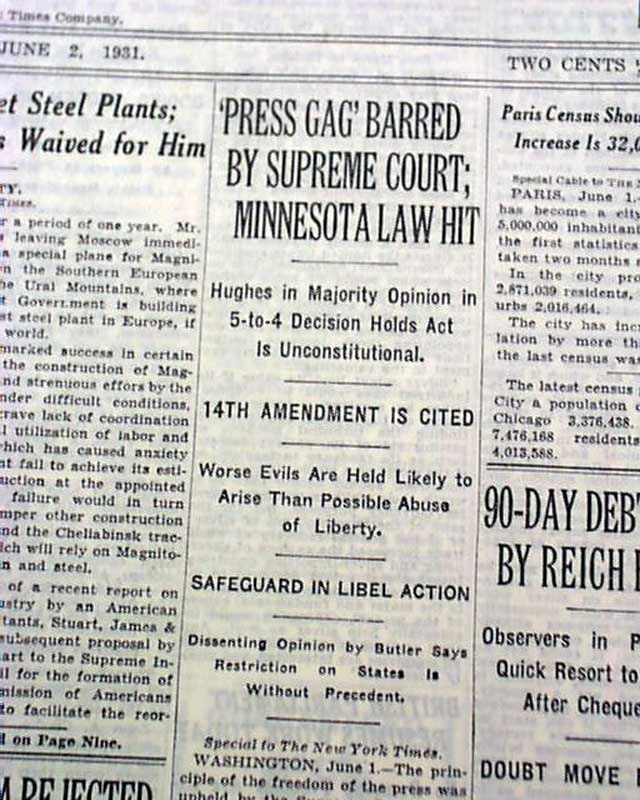
THE NEW YORK TIMES, June 2, 1931
- Near vs. Minnesota re. freedom of the press
- Landmark United States Supreme Court decision
The top of the front page has a
...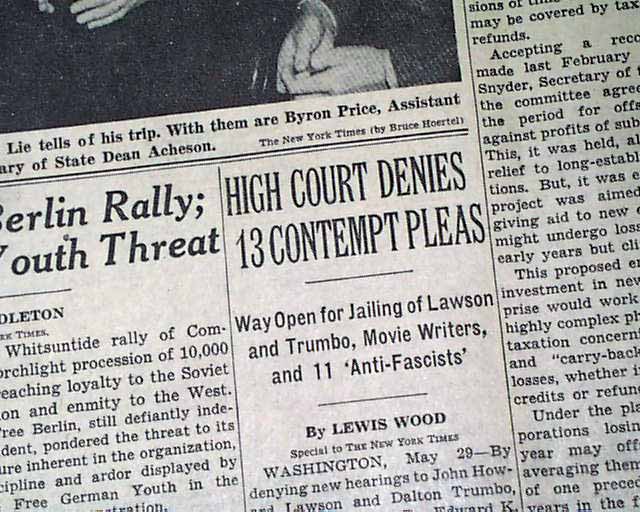
THE NEW YORK TIMES, May 30, 1950
- "Hollywood Ten" U.S. Supreme Court ruling
- Left-wing movie screenwriters and directors
- The Collapse of the First Amendment