1956 Alabama fugitive Negro case...
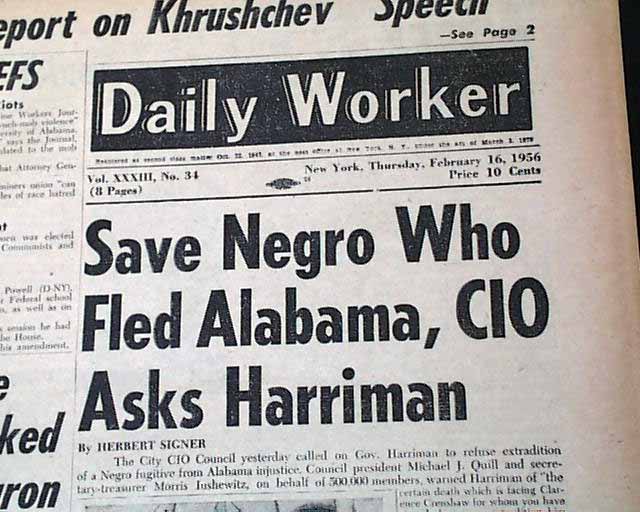
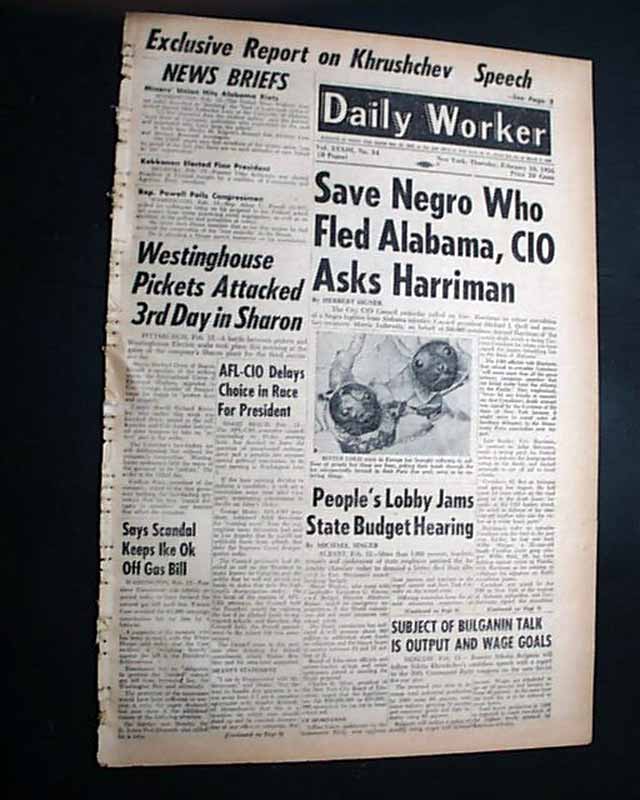
DAILY WORKER, New York, Feb. 16, 1956
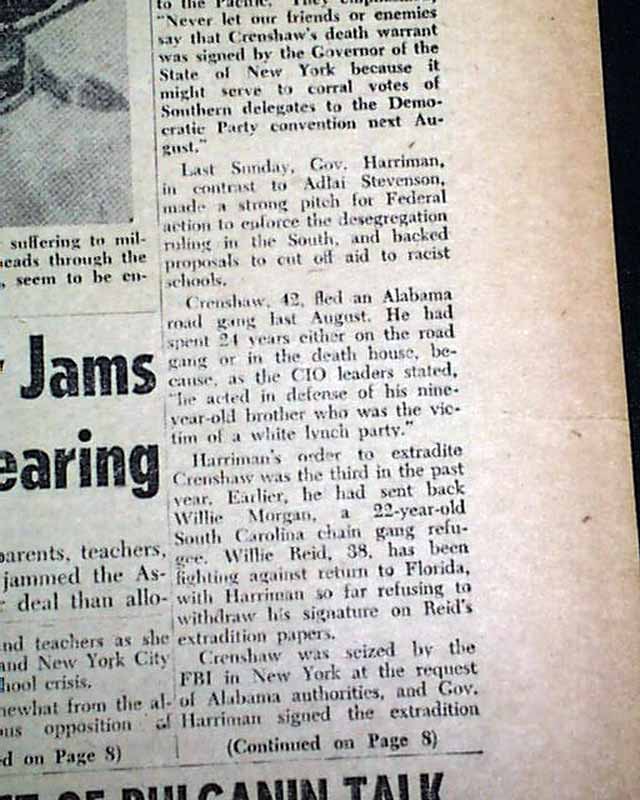
- Negro fugitive Clarence Crenshaw case
- re. Southern penal system brutality
- Governor Averell Harriman refuses extradition
- Era of the Civil Rights Movement in the South
This publication, The Worker, represents the official voice and ideological "mouthpiece" of the Communist Party USA (CPUSA) during one of the most volatile periods of the Cold War.
The front page has a headline that reads: "Save Negro Who Fled Alabama, CIO Asks Harriman" (see images)
Original physical issues of The Worker from the 1950s are exceptionally rare today becuse the political climate of the McCarthy era compelled many subscribers to destroy their copies to avoid FBI surveillance and the professional ruin associated with possessing "subversive" communist literature.
Complete with 8 pages, some spine wear, otherwise in nice condition.
Background: The historical significance of the February 15, 1956, reporting in the Daily Worker regarding Clarence Crenshaw lies in its documentation of a radical, coordinated legal defense strategy that forced the state of New York to confront the systemic brutality of the Southern penal system. While mainstream media often prioritized the simultaneous case of Thomas Battle, the Daily Worker's focus on Crenshaw highlighted the efforts of the Civil Rights Congress and leftist labor groups to frame these extraditions as modern-day extensions of "fugitive slave" captures. By pressuring Governor Averell Harriman to deny Alabama's request for Crenshaw on the grounds that his return to a chain gang constituted "cruel and unusual punishment," activists successfully turned an interstate administrative procedure into a moral indictment of Jim Crow justice. This event is a critical example of how secondary and radical press outlets preserved the names and narratives of individuals like Crenshaw, ensuring that their resistance against the "legal lynching" of the 1950s was recognized not just as a legal loophole, but as a pivotal act of institutional sanctuary that paved the way for the broader human rights arguments of the Civil Rights Movement.
Other issues you may like
§ related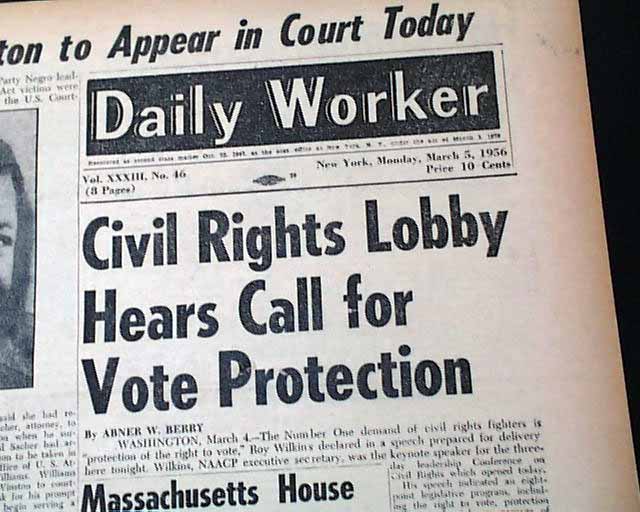
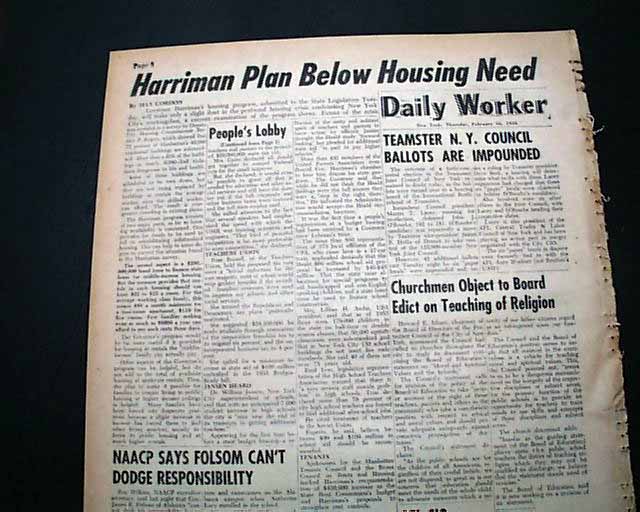
DAILY WORKER, New York, Feb. 16, 1956
- Civil Rights Movement
- Securing the right to vote
- NAACP leader Roy Wilkins
This publication, The Worker, represents the
...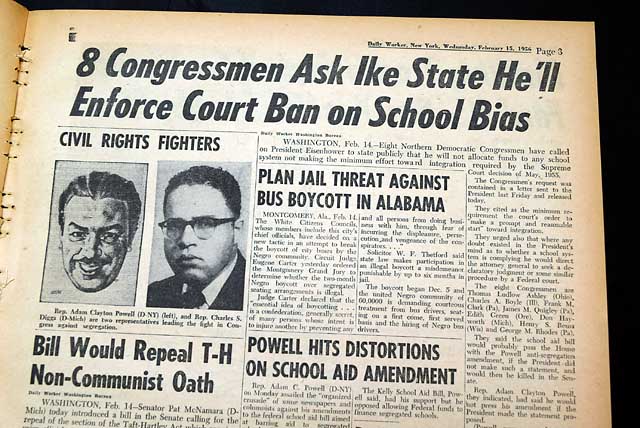
DAILY WORKER, New York, Feb. 15, 1956
- Civil Rights Movement - school segregation
- Montgomery, Alabama bus boycott
This publication, The Worker, represents the
...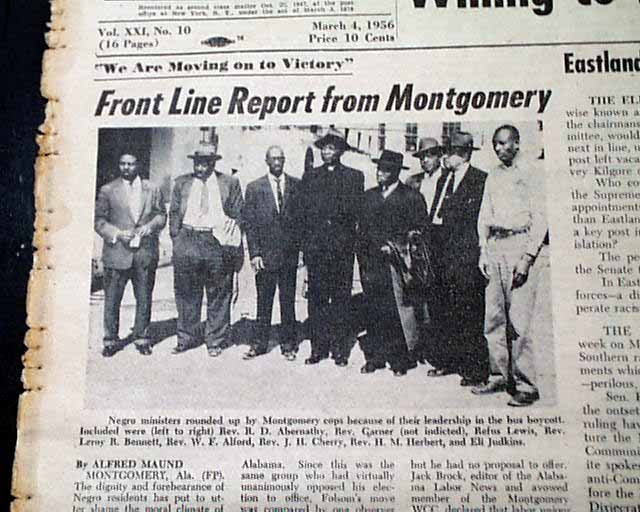
THE WORKER, New York, March 4, 1956
- Montgomery, Alabama bus boycott
- Civil Rights movement leaders arrested
- Martin Luther King Jr. - African Americans
This
...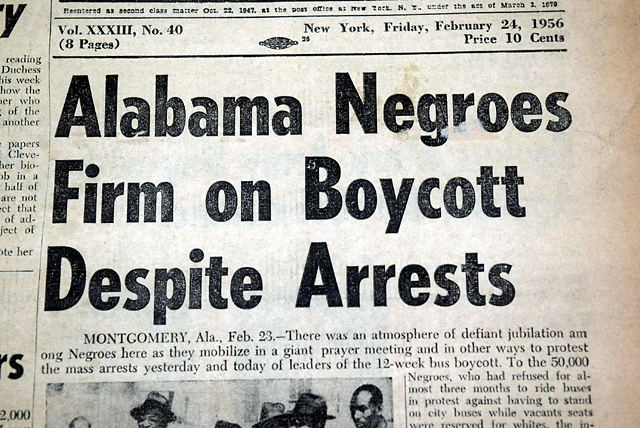
DAILY WORKER, New York, Feb. 24, 1956
- Martin Luther King Jr. arrested
- Montgomery, Alabama bus boycott
- Ralph Abernathy & other key figures
This publication,
...