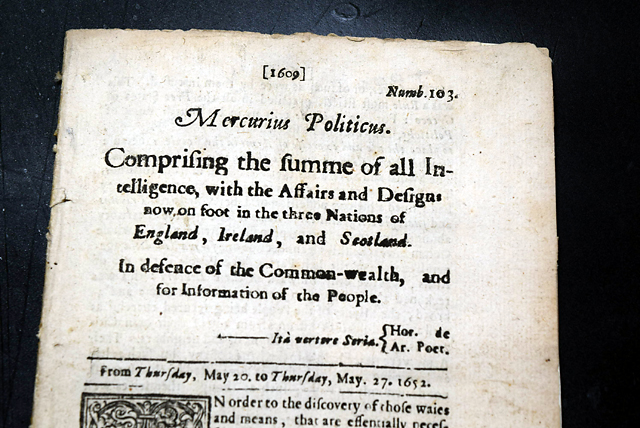
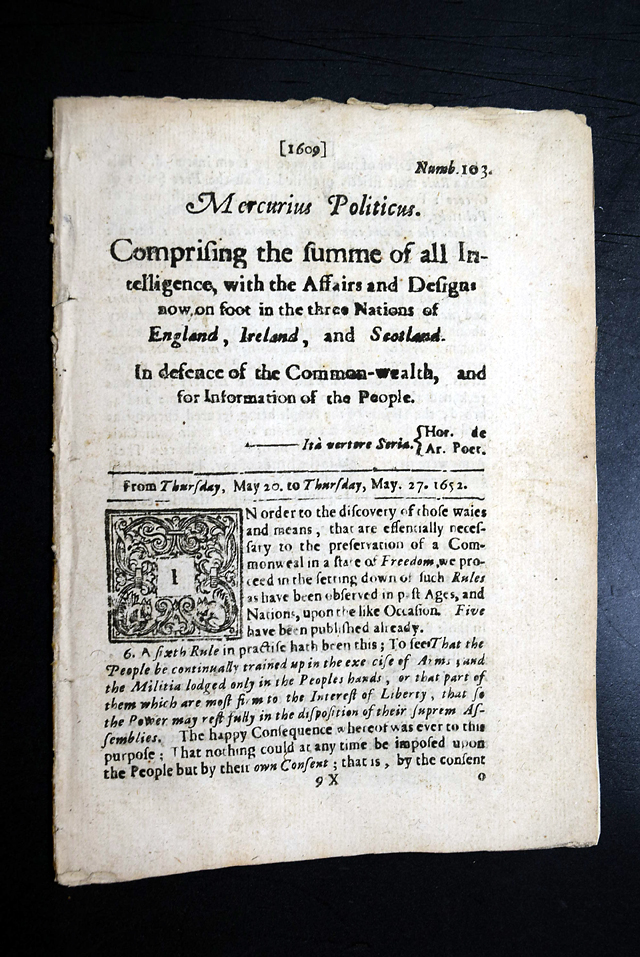
The 1652 Treaty / Charter of Jamestown... Likely the only periodical reporting in existence...
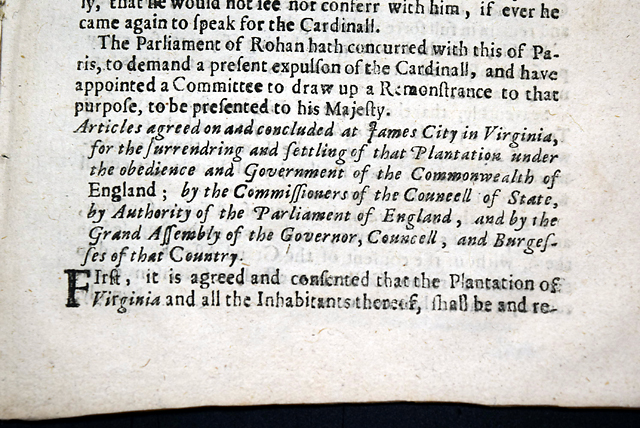
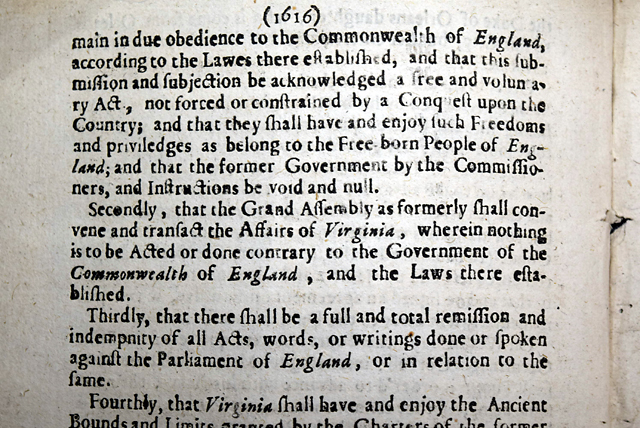
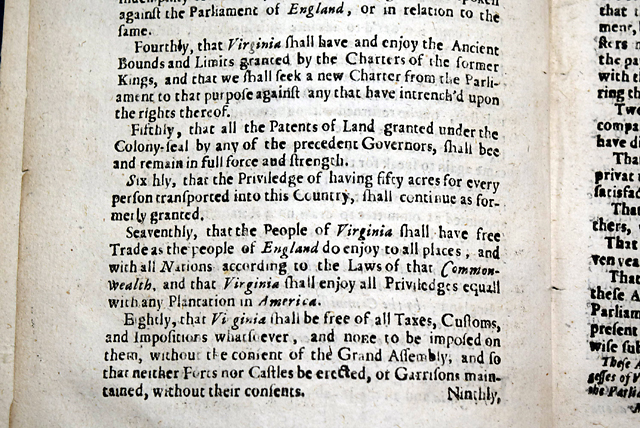
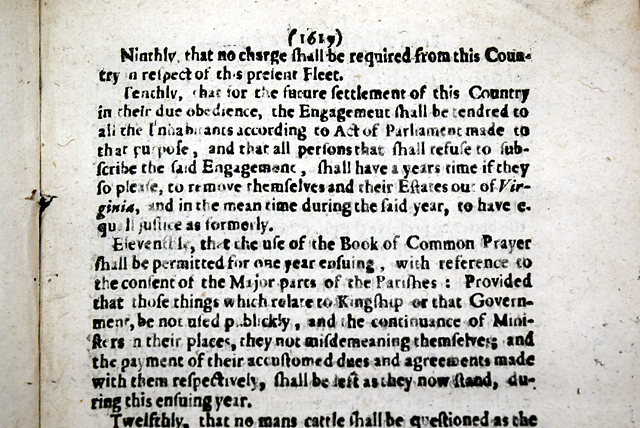
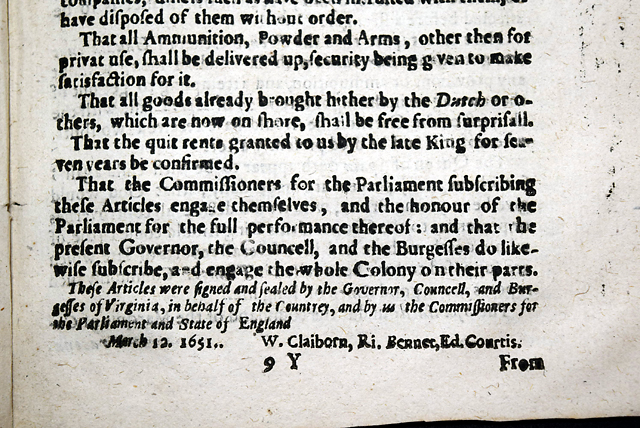
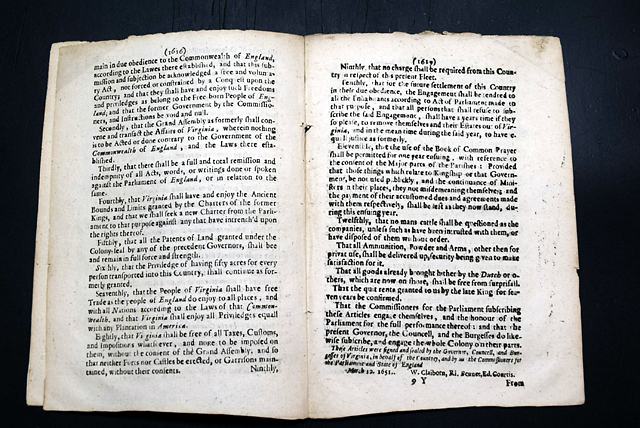
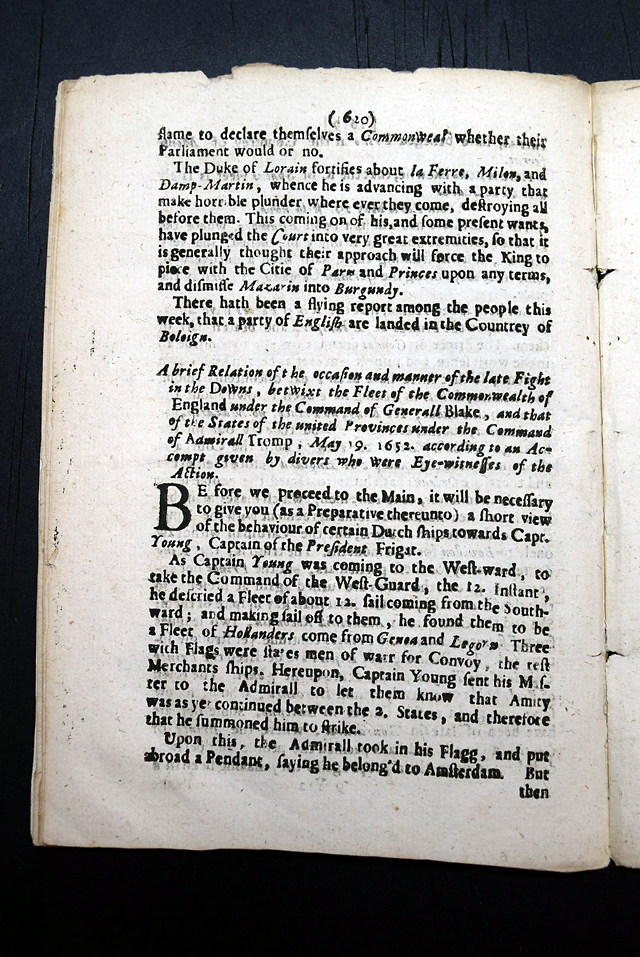
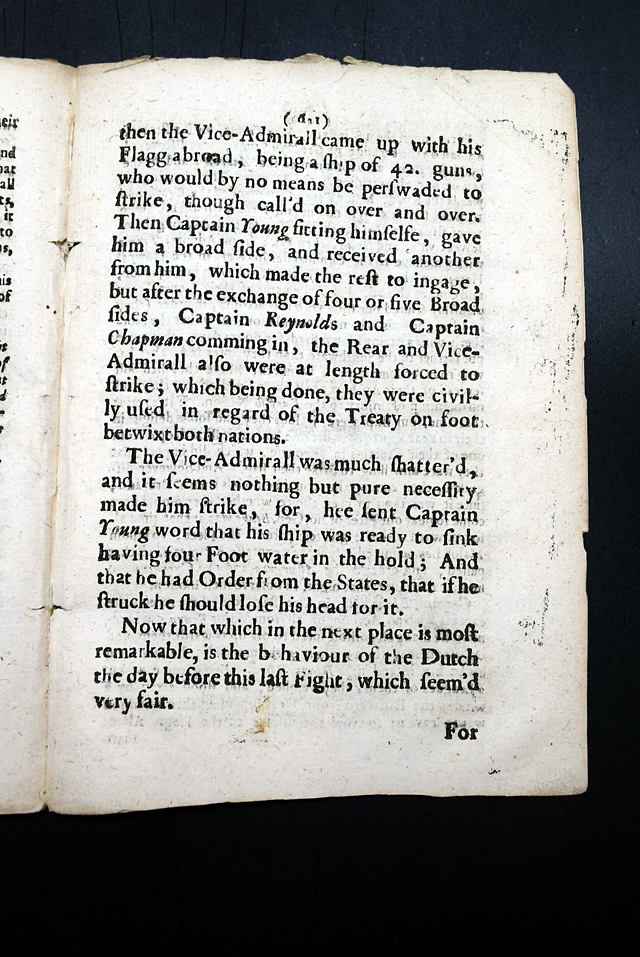
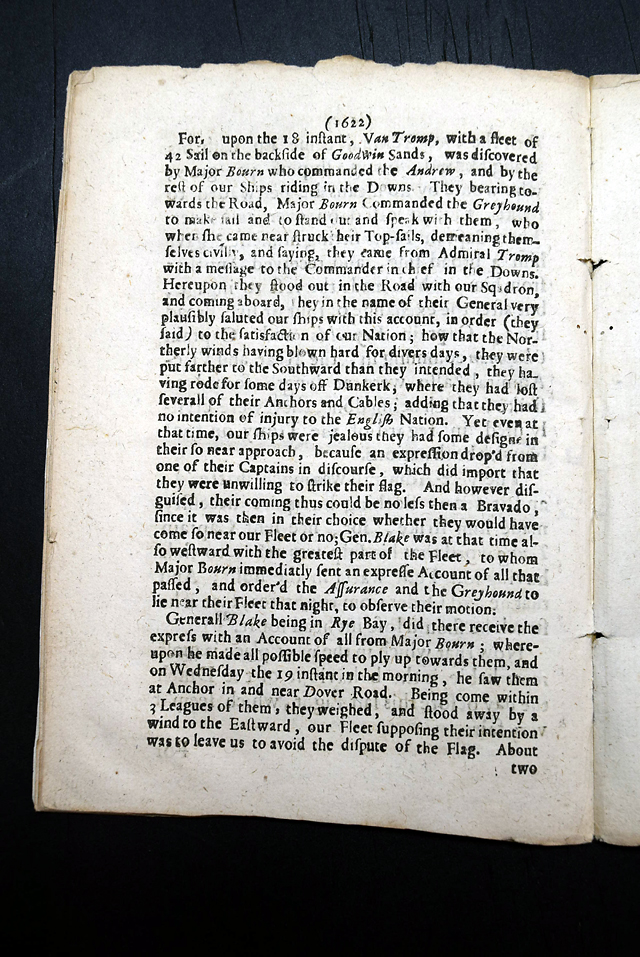
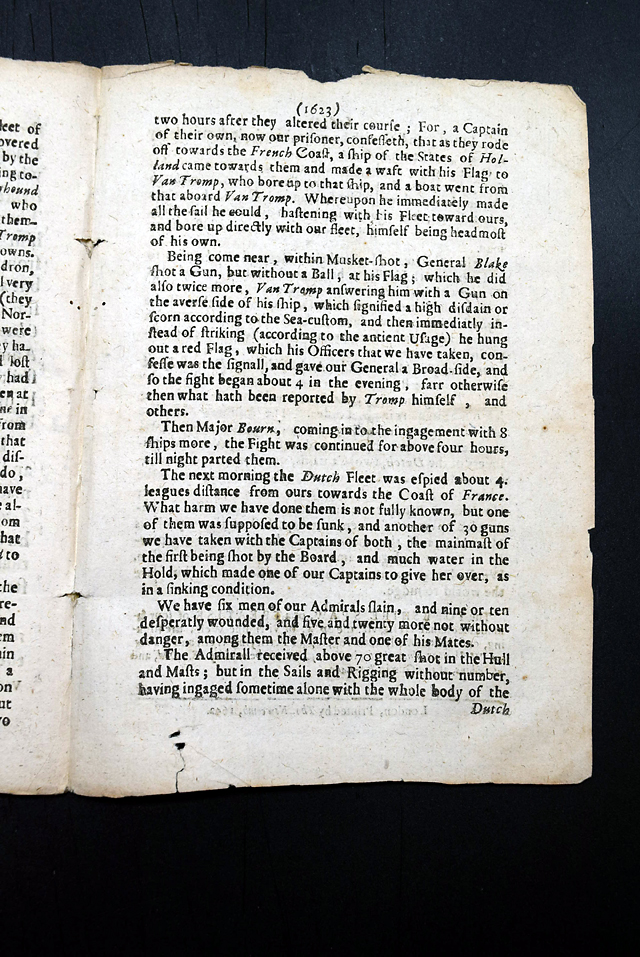
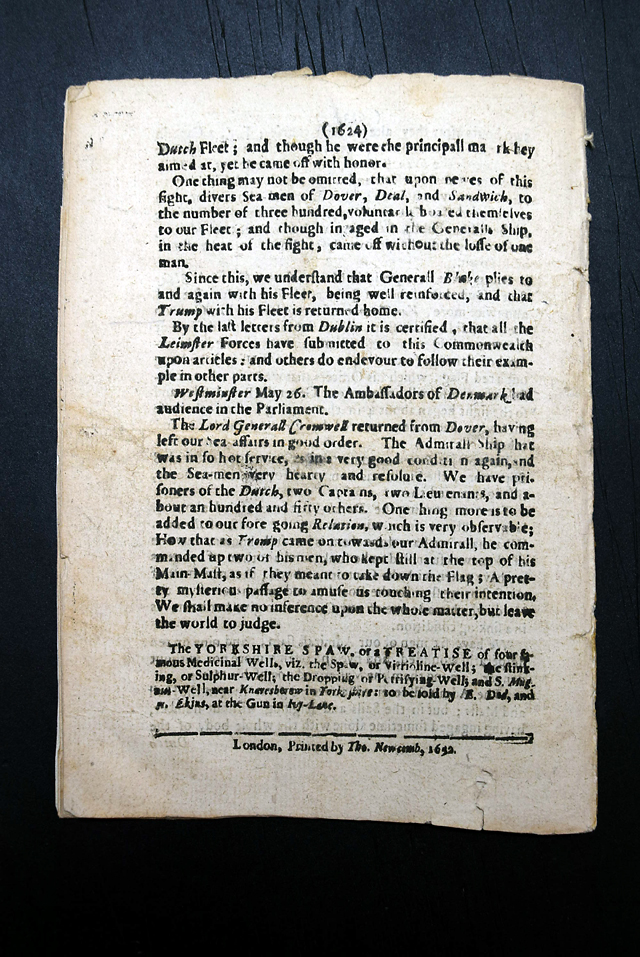
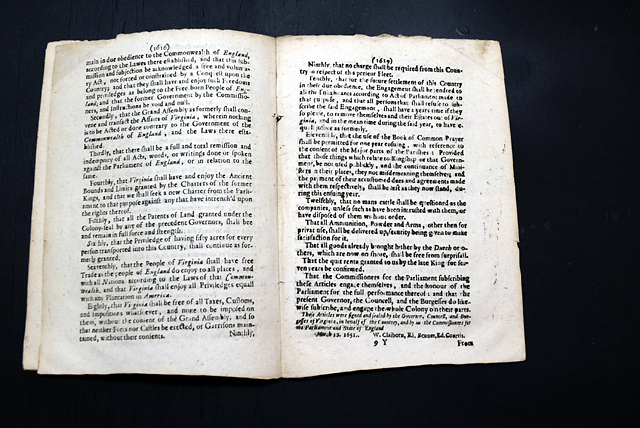
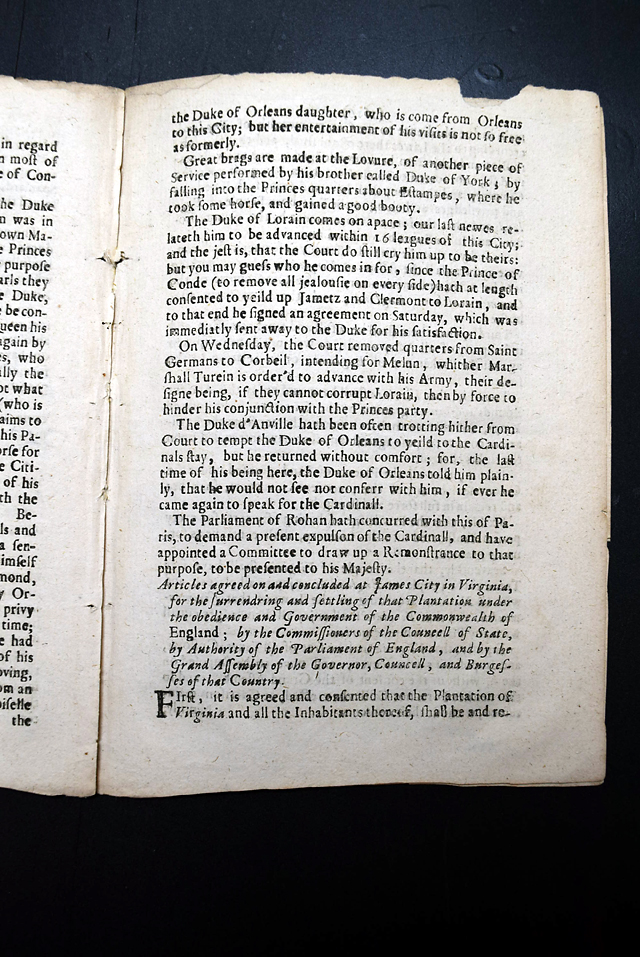
MERCURIUS POLITICUS, London, England, May 27, 1652. Pages 7, 8, and 9 of this extraordinarily rare newsbook feature the complete twelve-article text of the Treaty of Jamestown under the heading: “Articles agreed on and concluded at James City in Virginia, for the surrendering and settling of that Plantation under the obedience and Government of the Commonwealth of England…”. Concluding with its official sign-off on March 12, 1651 [1652 using today’s calendar], this publication represents what is almost certainly the earliest printed treaty involving an American colony to appear in a periodical, and potentially the only surviving contemporary newspaper report of its details in existence.
The profound historical significance of this issue centers on a monumental yet under-documented turning point in early American history. Following the execution of King Charles I in 1649, Virginia’s Royalist Governor, Sir William Berkeley, defied Oliver Cromwell’s Commonwealth. In response, Parliament dispatched an armed fleet to force the colony’s submission. Rather than plunging into bloodshed, the sides negotiated a pragmatic settlement that granted Virginia full amnesty, preserved existing land grants, and uniquely permitted free trade. Published by the famed Parliamentarian journalist Marchamont Needham, this ephemeral 17th-century newsbook captures the exact moment the “Old Dominion” surrendered to Parliament. Because official colonial records from this period are largely lost, most known versions of the agreement exist only in archival manuscripts or later historical compilations. This issue therefore stands as a supreme, museum-grade treasure of early transatlantic Americana—an unparalleled primary source for serious institutions and elite collectors.
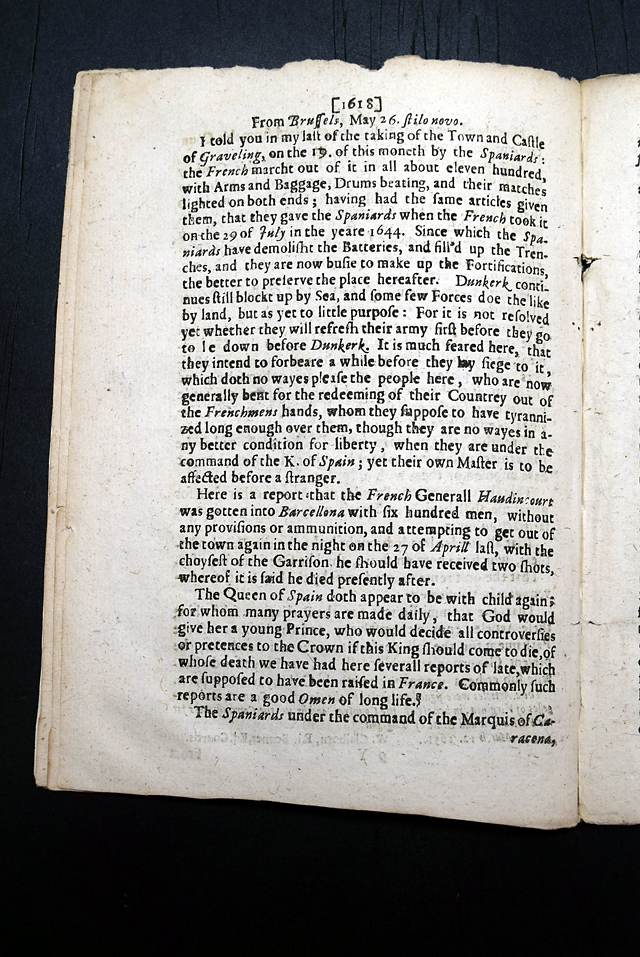
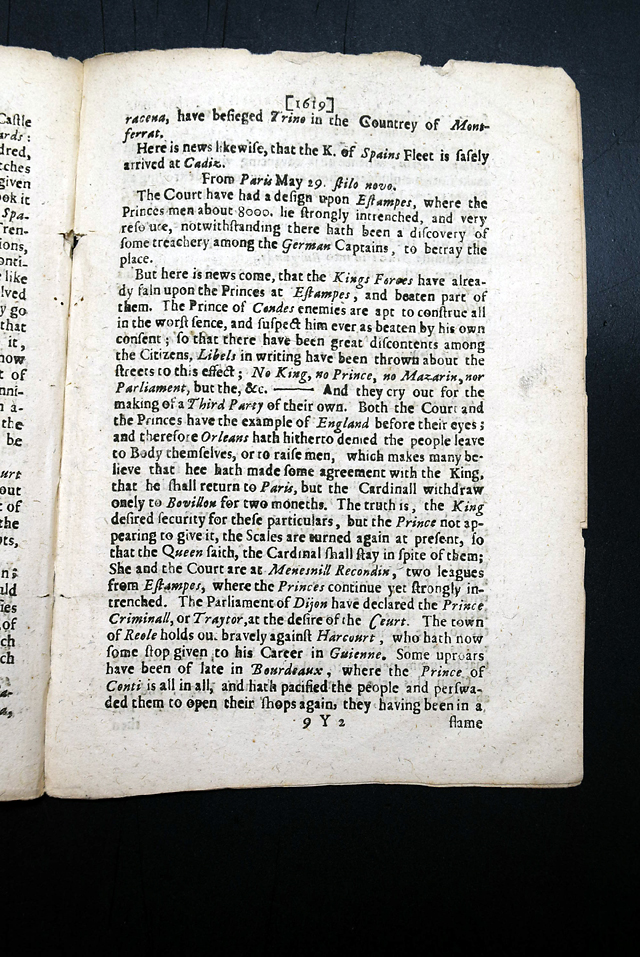
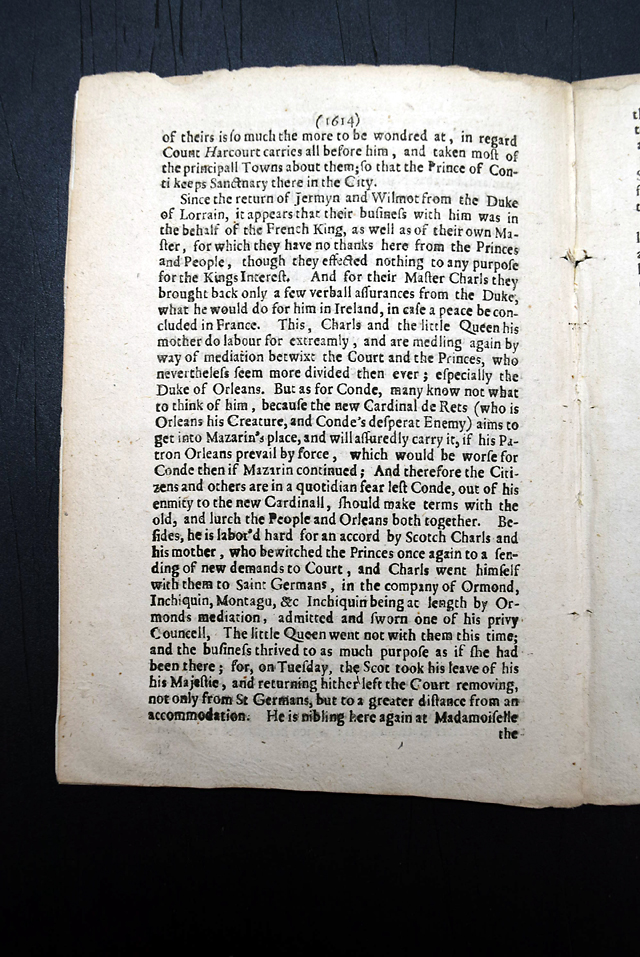
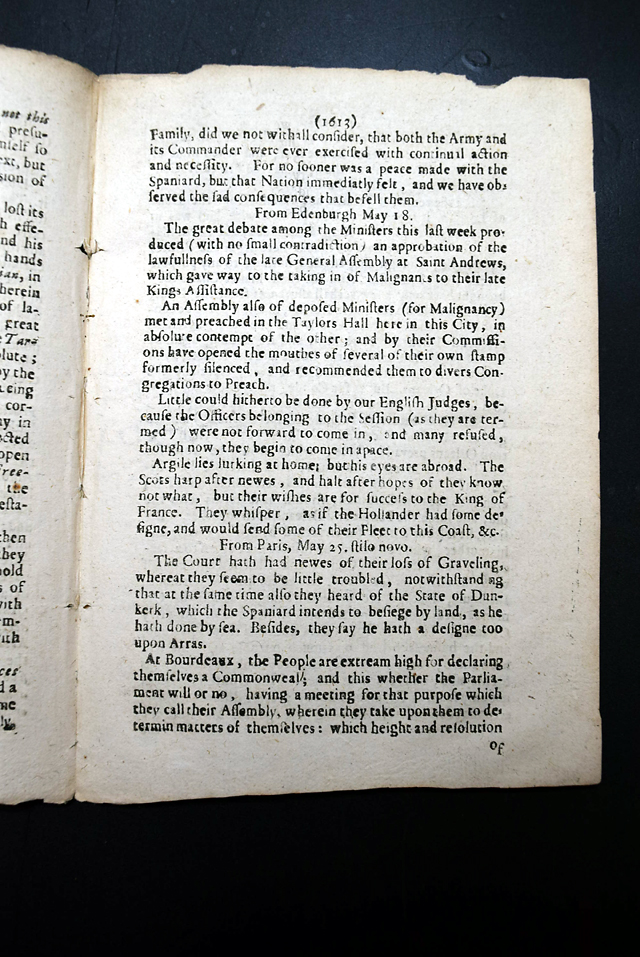
Other news regarding the English Civil War, intelligence from Ireland and Scotland, and state affairs are also present.
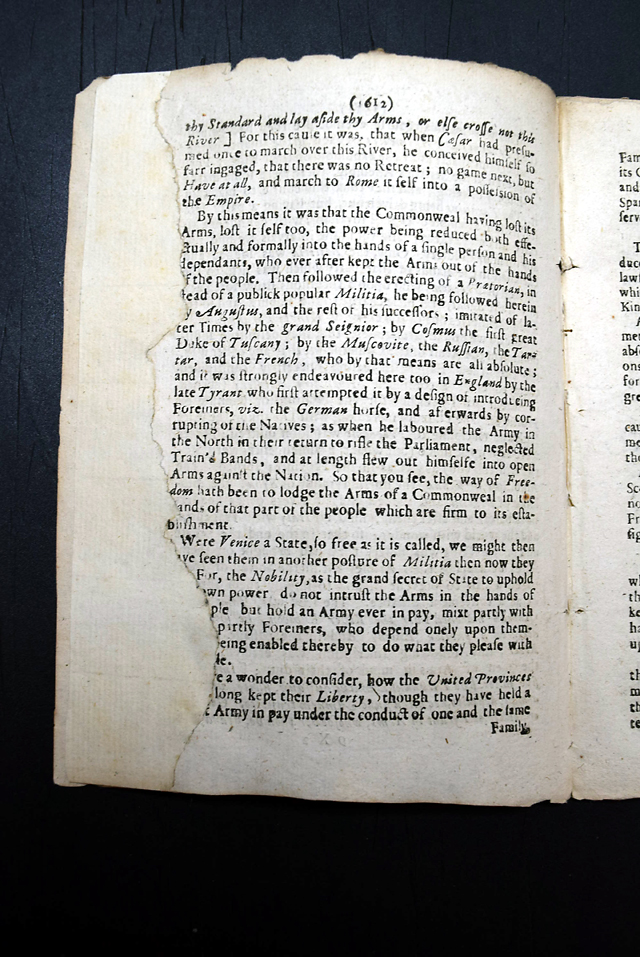
Complete in 16 pages, measuring 5¼ by 7¼ inches with ample margins. The second leaf exhibits loss to the exterior margin, archivally repaired with period paper and affecting some unrelated text (the Treaty content remains entirely untouched on later leaves); otherwise in very nice condition.
Item from last month's catalog - #370 - released for September, 2026
Other issues you may like
§ related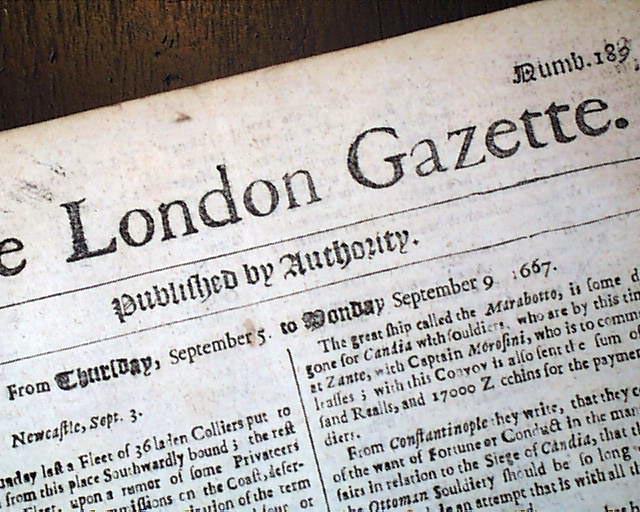
THE LONDON GAZETTE, England, Sept. 9, 1667
- "Treaty of Breda" announced to American Colonies
- Second Anglo-Dutch war ends
An early issue of this still
...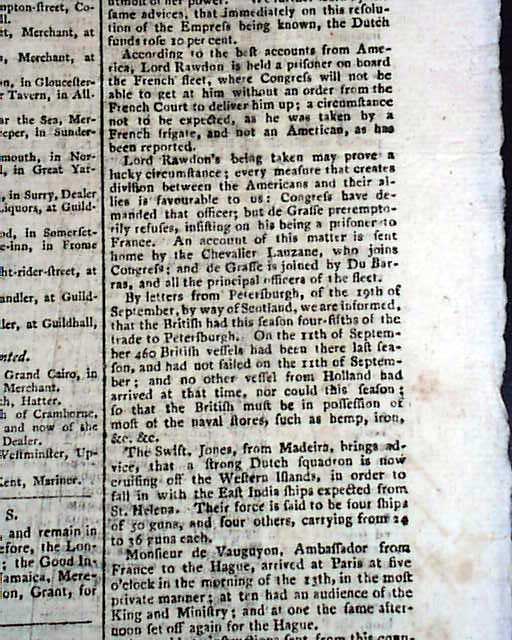
THE LONDON CHRONICLE, England, Nov. 27, 1781
- Cornwallis surrenders at Yorktown
- Revolutionary War ending
- Historic item - 1st report
This is one of the more
...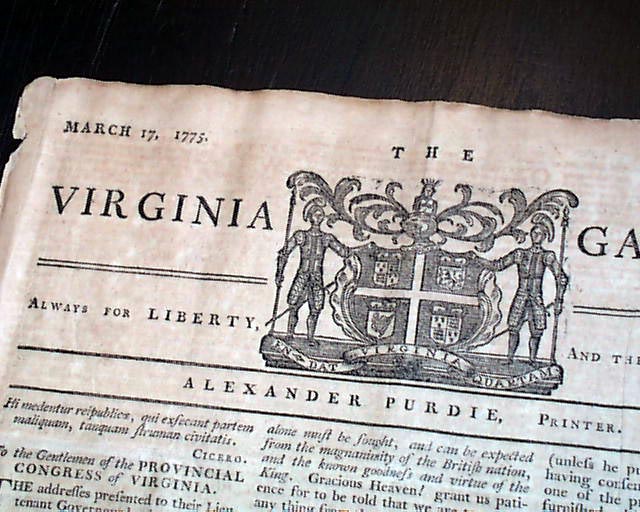
THE VIRGINIA GAZETTE (with Supplement), Williamsburg, Mar. 17, 1775
- Very rare Colonial Virginia publication
- Election of Patrick Henry
This newspaper was
...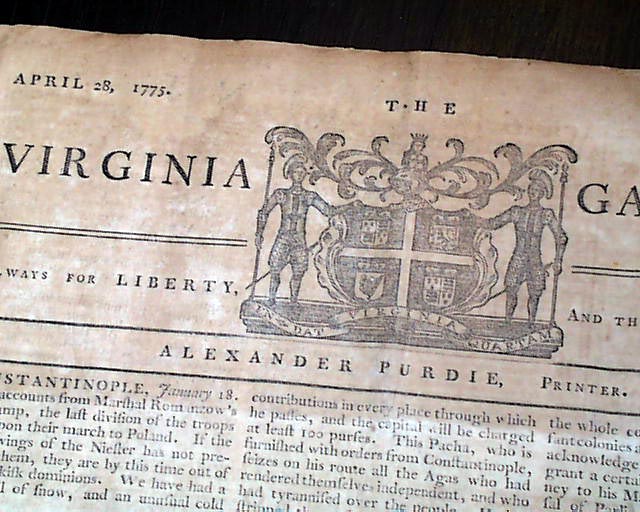
THE VIRGINIA GAZETTE, Williamsburg (with Supplement), April 28, 1775
- Very rare Colonial Virginia title
- Gunpowder Incident - Affair
This newspaper was
...