Death of Jay Gould... Black scholar William Sanders Scarborough...
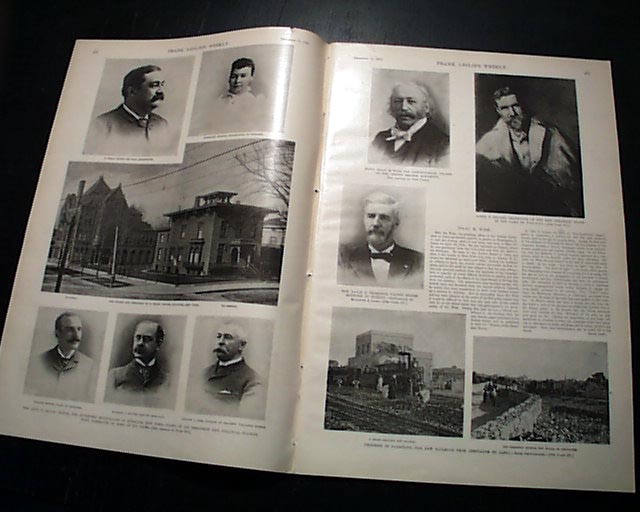
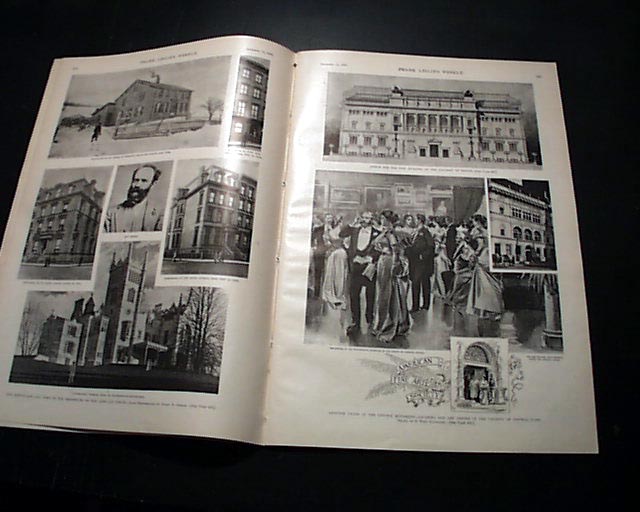
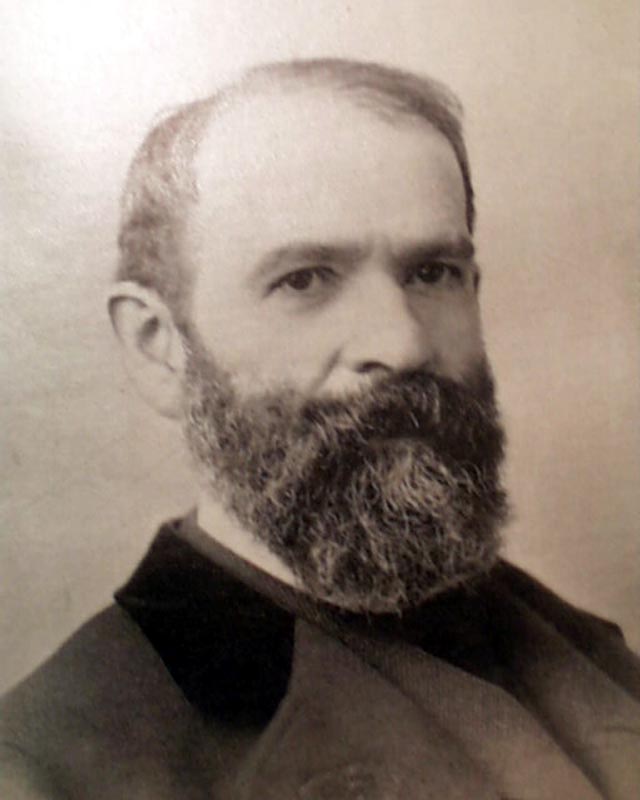
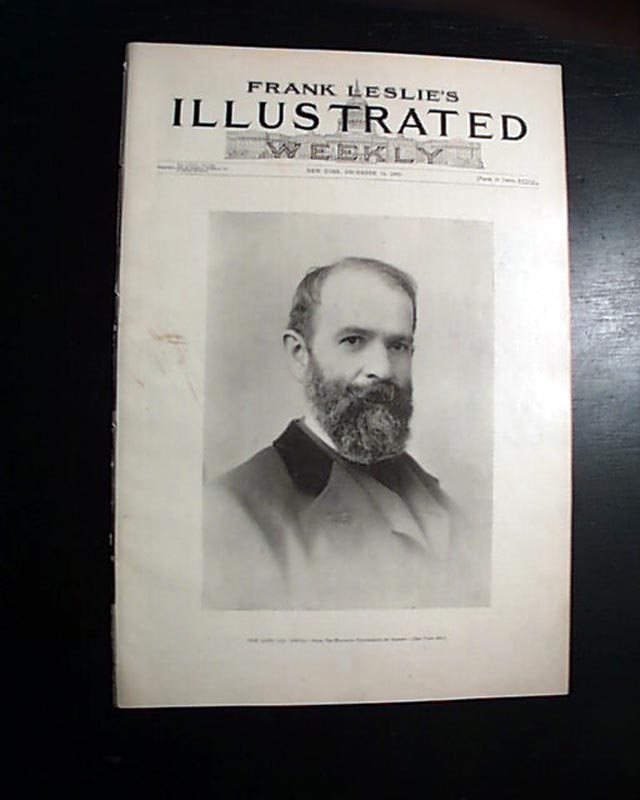
FRANK LESLIE'S ILLUSTRATED, New York, Dec. 15, 1892 The full front page is a photo of: "The Late Jay Gould" with page 4 having an accompanying article of the same heading. Yet another page is filled with six photos of: "The Birthplace & Some of the Residences of the Late Jay Gould".
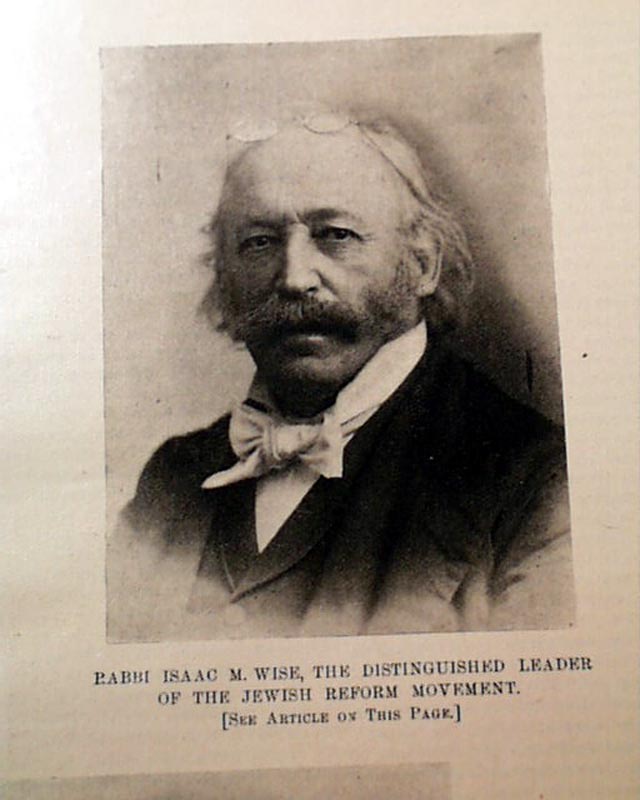
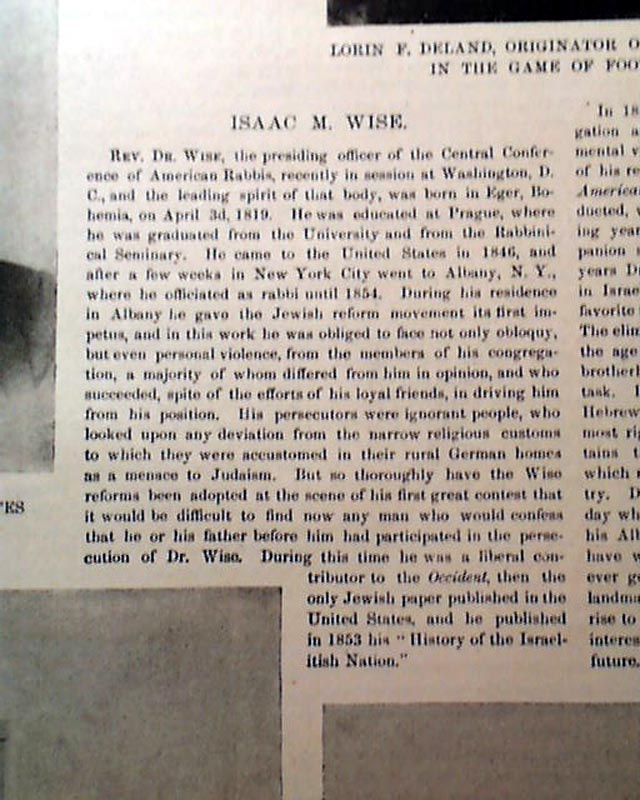
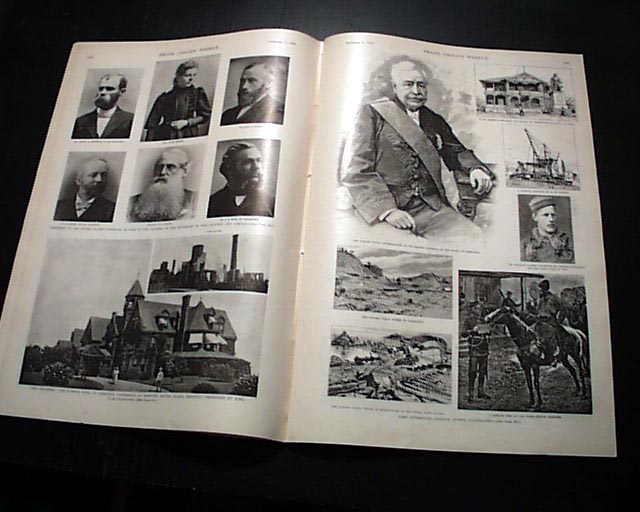
Also of Judaica interest is an article on: "Isaac M. Wise" with a photos of him captioned: "Rabbi Isaac M. Wise, the Distinguished Leader of the Jewish Reform Movement".
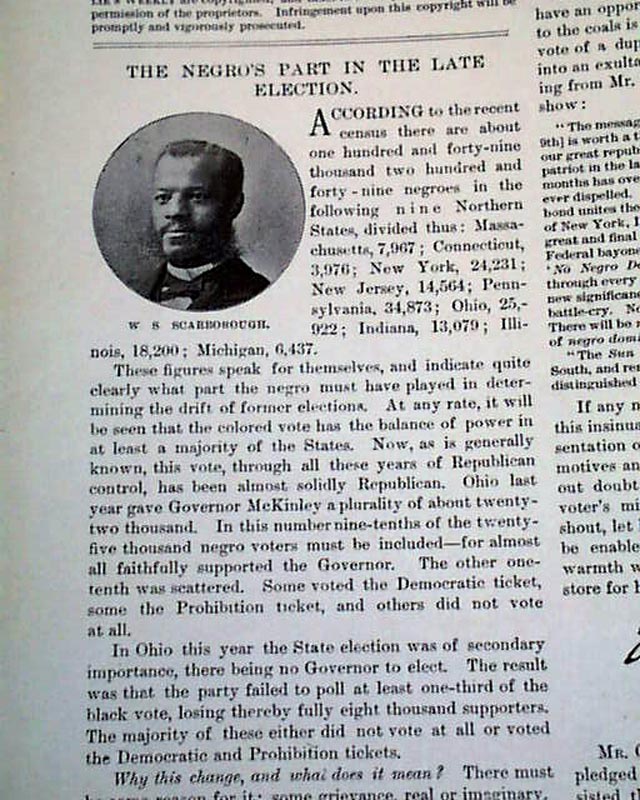
Page 2 has an article: "The Negro's Part in the Late Election" which includes a small photo of W. S. Scarborough, and the article includes a letter by him with his facsimile signature. Scarborough came out of slavery in Macon, Georgia, to enjoy a prolific, scholarly career that culminated with his presidency of Wilberforce University. There is also a nice photo of: "The Breakers, the Summer Home of Cornelius Vanderbilt at Newport, Rhode Island, Recently Destroyed by Fire."
Sixteen pages, nice condition.
Background: The December 15, 1892, issue of Frank Leslie’s Illustrated serves as a poignant historical ledger documenting a massive shift in American power, intellect, and social structure at the close of the 19th century. By centering on the death of Jay Gould, the publication signaled the twilight of the first generation of "Robber Barons" whose ruthless expansion of the railroad and telegraph systems defined the Gilded Age. This transition was visually punctuated by the destruction of The Breakers, the Vanderbilt estate, which marked a literal and symbolic turning point in American architectural opulence. Simultaneously, the issue captured the rising tide of intellectual and religious pluralism through its coverage of Rabbi Isaac M. Wise, the architect of American Reform Judaism, and William Sanders Scarborough, a formerly enslaved man turned classical scholar. Scarborough’s featured commentary on the 1892 election is particularly significant, as it provided a high-profile platform for Black intellectualism and political agency during a period when the legal framework of "separate but equal" was beginning to solidify. Together, these features offer a rare, multi-faceted snapshot of a nation wrestling with the concentration of extreme wealth, the expansion of civil rights, and the modernization of traditional faith.
Other issues you may like
§ related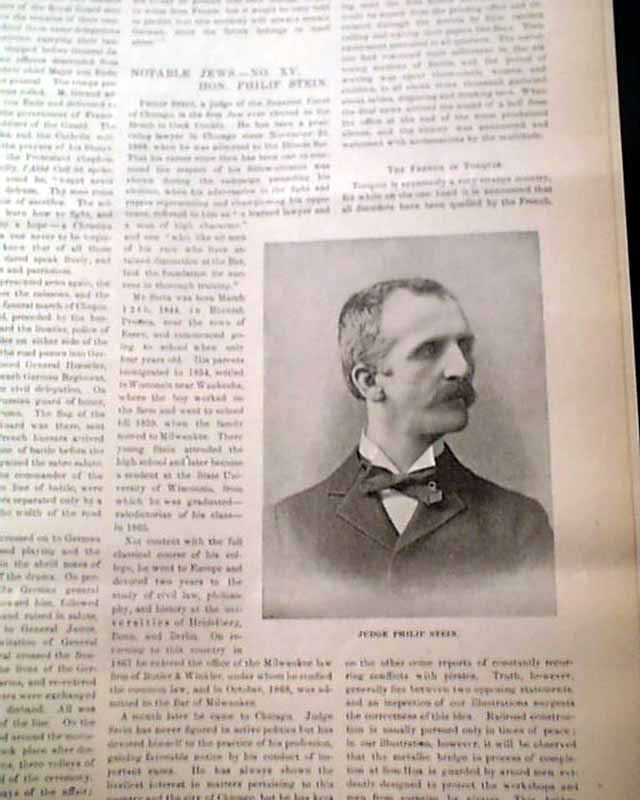
FRANK LESLIE'S ILLUSTRATED, July 20, 1893 Of special interest is item #XV of "Notable Jews - Hon. Philip Stein" which also includes a photograph &
...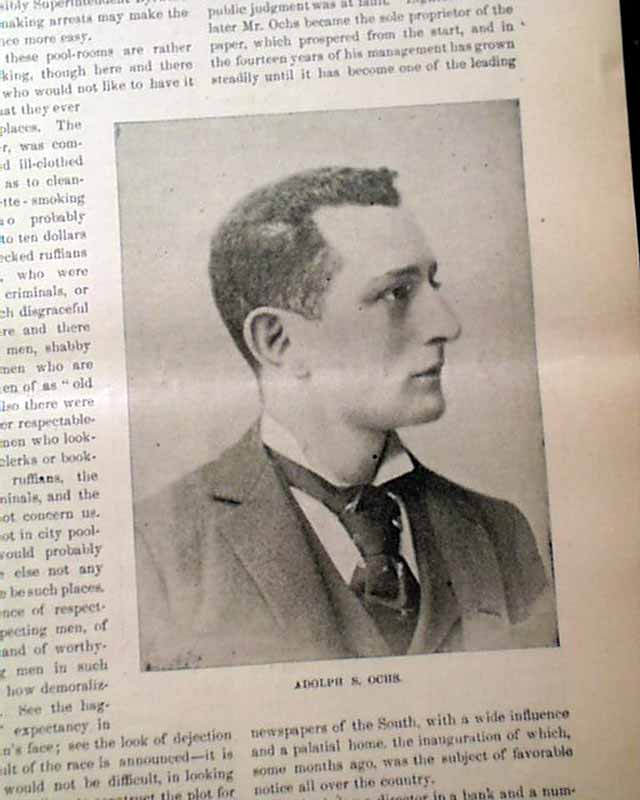
FRANK LESLIE'S ILLUSTRATED, New York, March 30, 1893 Of special interest is installment #7 of "Notable Jews - Adolph S. Ochs" which also includes a
...
FRANK LESLIE'S ILLUSTRATED, June 22, 1893 Of special interest is item #11 of "Notable Jews - Leo N. Levi" which also includes a photograph & biography of
...
FRANK LESLIE'S ILLUSTRATED, New York, Dec. 11, 1869 The front page shows; "Central Park--Preparing a Model in Clayh of the Great Elephant at the Old
...