Earliest ad for a publication on an American crime?
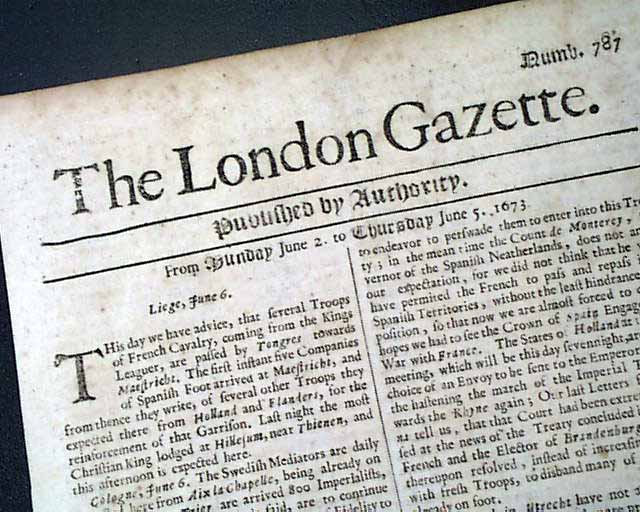
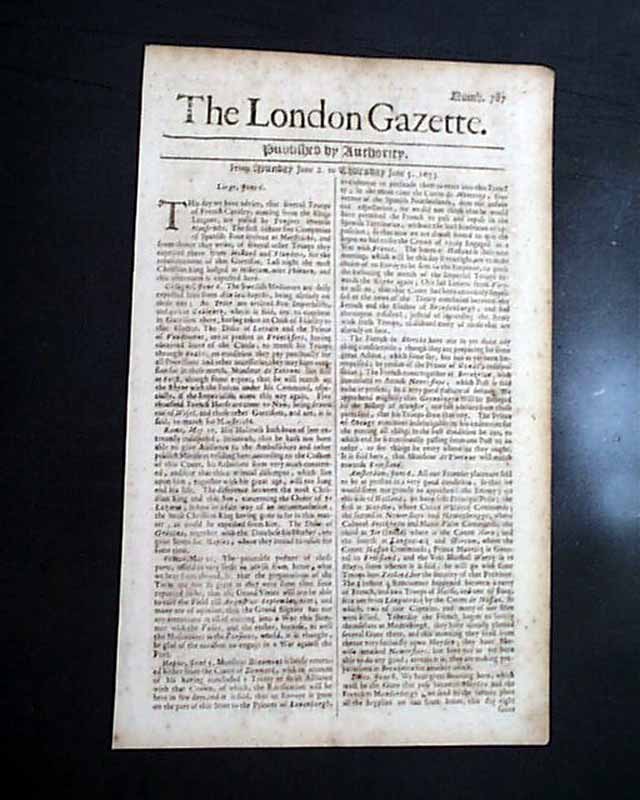
THE LONDON GAZETTE, England, June 5, 1673
- Early "Fake News" and Propaganda
- Religious and Political Warfare
- Fabricated Colonial Tragedy
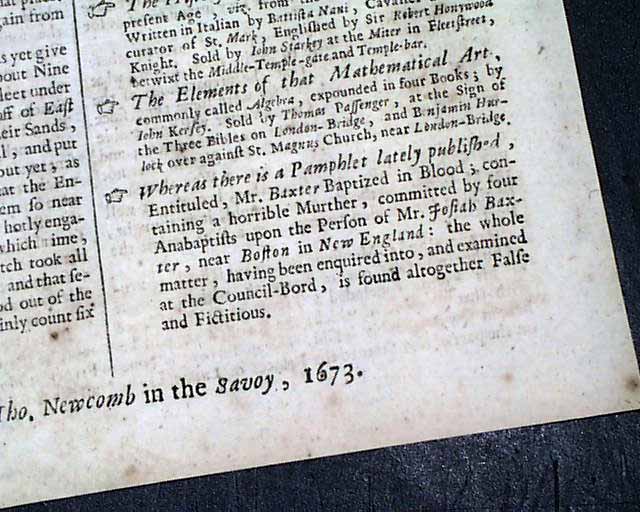
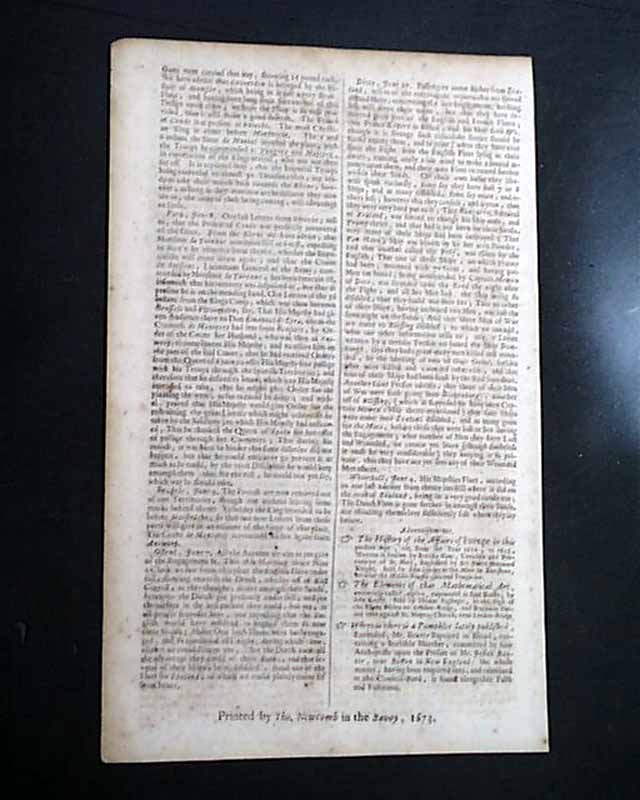
A very interesting issue as the bottom of the back page has an advertisement for the publishing of a pamphlet titled "Mr. Baxter Baptized in Blood..." with further details noting: "...containing a horrible murther [murder] committed by four Anabaptists upon the person of Mr. Josiah Baker near Boston in New England, the whole matter, having been enquired into, and examined at the Council Bord, is found altogether false and fictitious."
But it was not fictitious.
This could well be the earliest advertisement for a crime-related publication of an American event, as the London Gazette was the first successful newspaper in England having begun just 8 years prior. There were essentially no American newspapers until 1704.
There is much online concerning this event. One account notes that in 1673 word reached England that the Rev. Josiah Baxter had been ruthlessly murdered in Boston. Baxter, an Anglican minister, had publicly debated a group of Baptists over their interpretations of the Bible. The Rev. Baxter had gotten the better of the argument, but his opponents would not let the dispute end there.
Four men followed Baxter to his home outside Boston. They tied up his wife and children and tortured Baxter in revenge. They literally stripped the skin from his scalp and body until he died.
Baxter’s brother Benjamin was so appalled by the murder that he published a pamphlet about the crime [the pamphlet advertised in this issue]. He aimed to keep his brother’s memory alive in London and warn about the treacherous nature of Baptists.
Complete as a single sheet issue, 6 3/4 by 10 3/4 inches, very nice condition.
Background: The publication of the 1673 pamphlet Mr. Baxter Baptized in Blood stands as one of the most audacious and significant hoaxes in early Anglo-American journalism, serving as a visceral weapon in the religious propaganda wars of the Restoration era. The narrative—which detailed the gruesome skinning and murder of an Anglican minister, Josiah Baxter, by "Anabaptists" near Boston—was strategically manufactured to demonize religious dissenters at a time when the British Parliament was debating the Declaration of Indulgence and religious tolerance. The story was debunked only when two Bostonians, Captain Richard Martin and trader Henry Mountfort, arrived in London and testified to the Lord Mayor that no such person as Josiah Baxter existed and no such crime had occurred in the colony. Despite the London Gazette’s subsequent retraction identifying the story as "altogether false and fictitious," the pamphlet’s publisher, Samuel Parker (the future Bishop of Oxford), had already successfully stoked public hysteria. This event remains a foundational example of how the "Wild West" of 17th-century print culture used the distance of the American colonies to lend credibility to "fake news" designed to influence high-stakes domestic politics in England.
Other issues you may like
§ related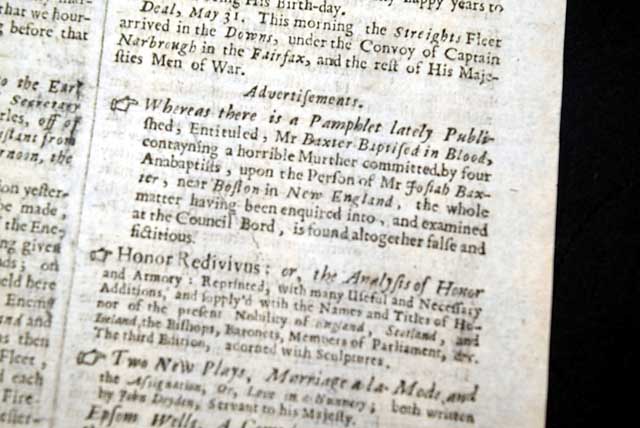
THE LONDON GAZETTE, England, June 2, 1673 A very interesting issue as the bottom of the back page has an advertisement for the publishing of a pamphlet
...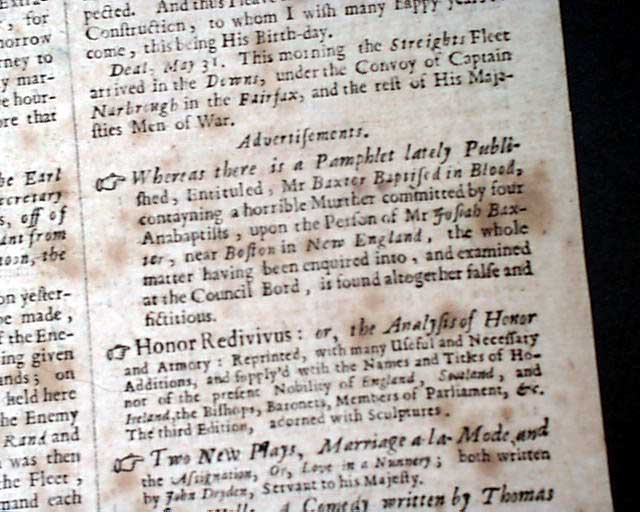
THE LONDON GAZETTE, England, June 2, 1673 A very interesting issue as the bottom of the back page has an advertisement for the publishing of a pamphlet
...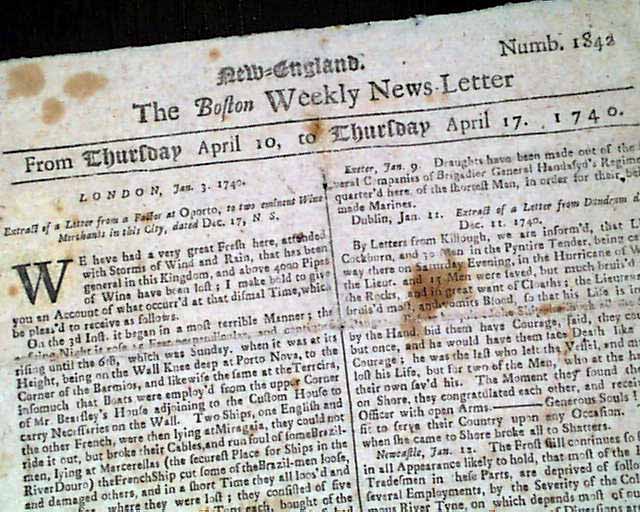
THE BOSTON WEEKLY NEWS-LETTER, "New England", April 10-17, 1740
- Among the earliest of American newspapers to be had
- Ad for sale of a "healthy negro woman"
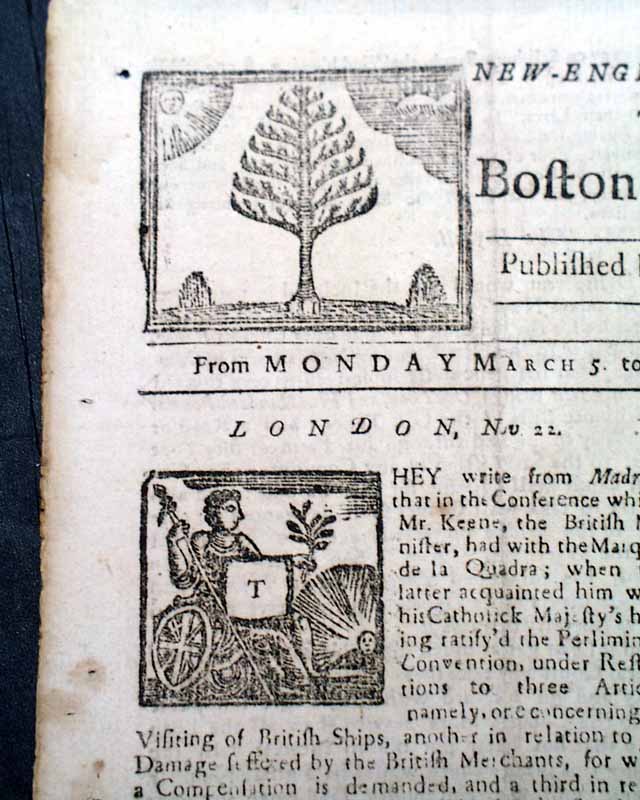
THE BOSTON GAZETTE, "New-England", March 12, 1739
- Extremely early & rare Colonial publication
This is one of the most noted & long-lived American newspapers
...