1948 siege of Jerusalem, Israel...
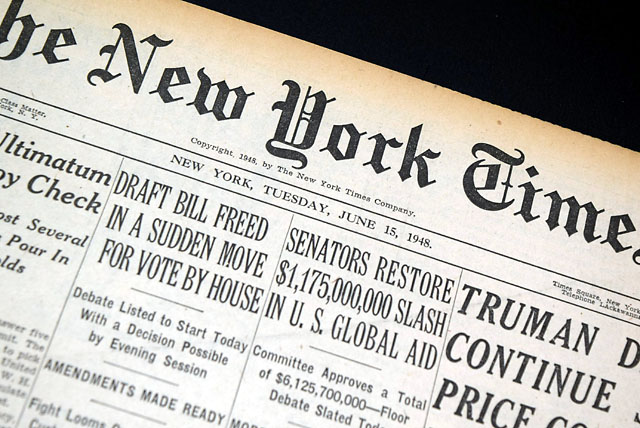
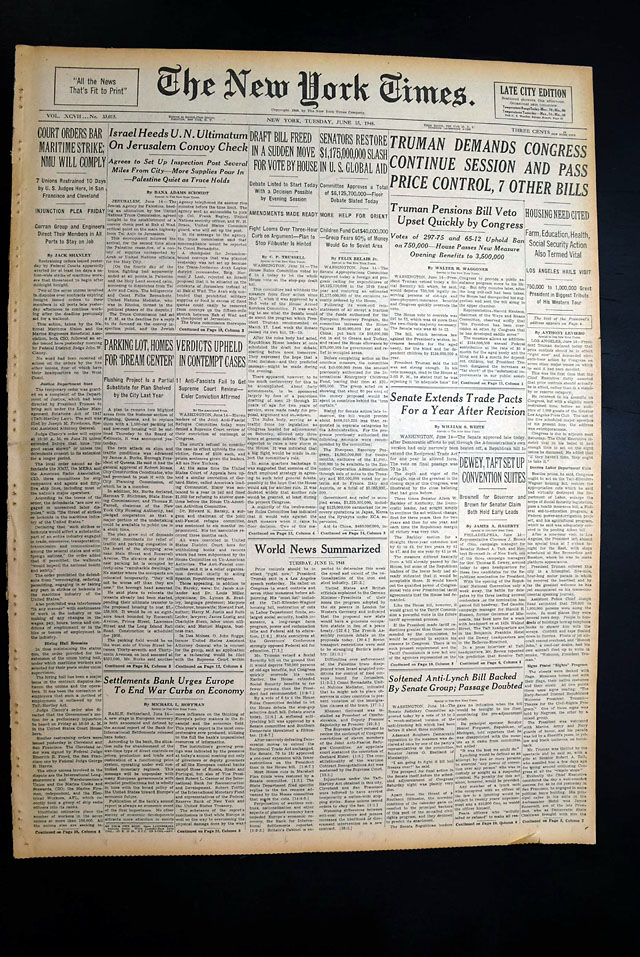
THE NEW YORK TIMES, June 15, 1948
- United Nations UN inspection posts implemented
- Partition of Israel - Jerusalem siege - Peacekeeping
- Israeli-controlled West and Jordanian-controlled East
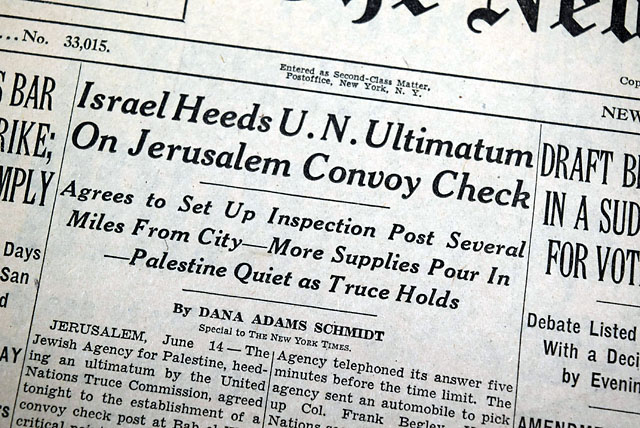
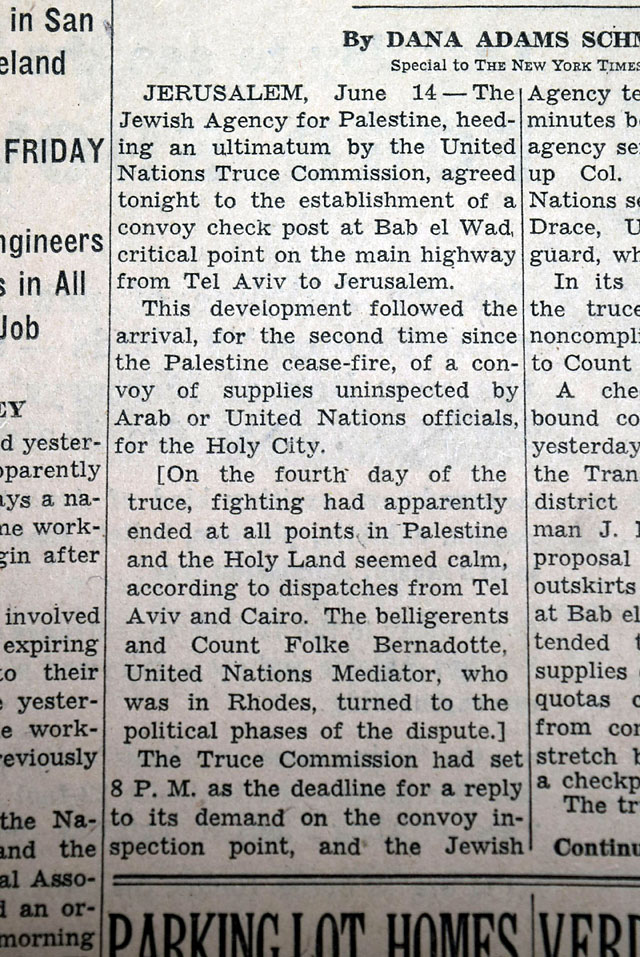
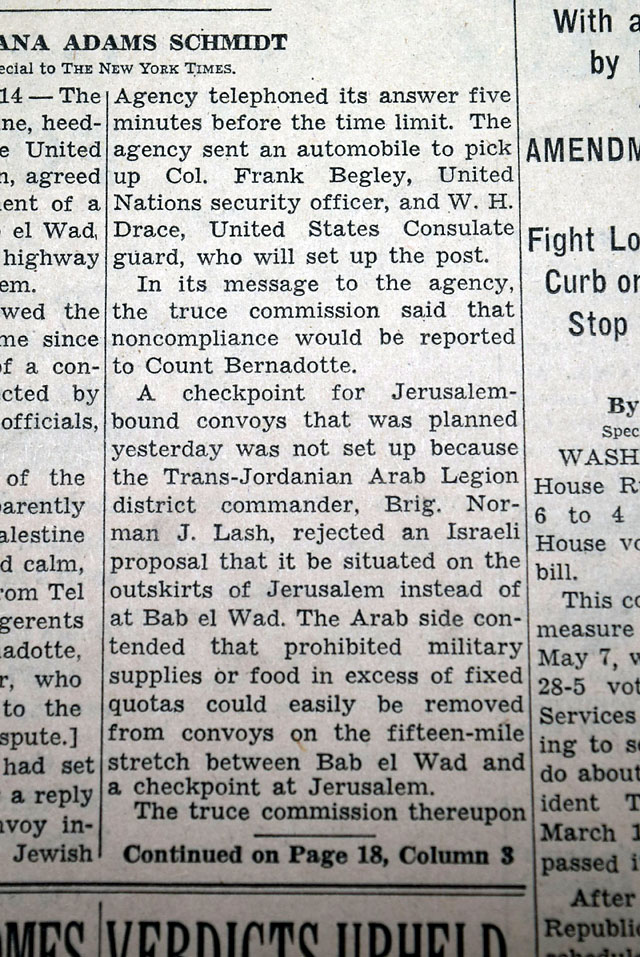
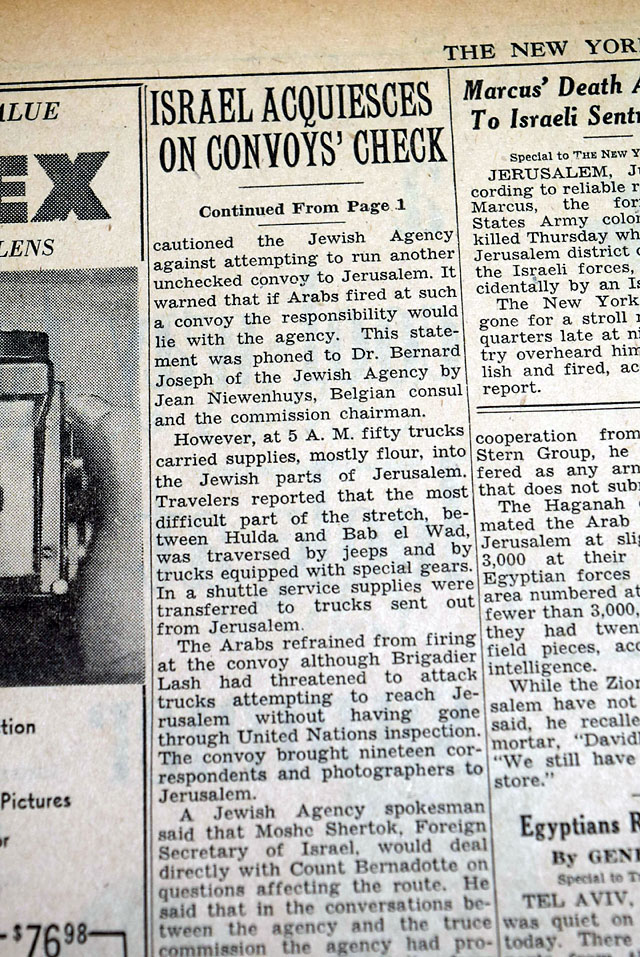
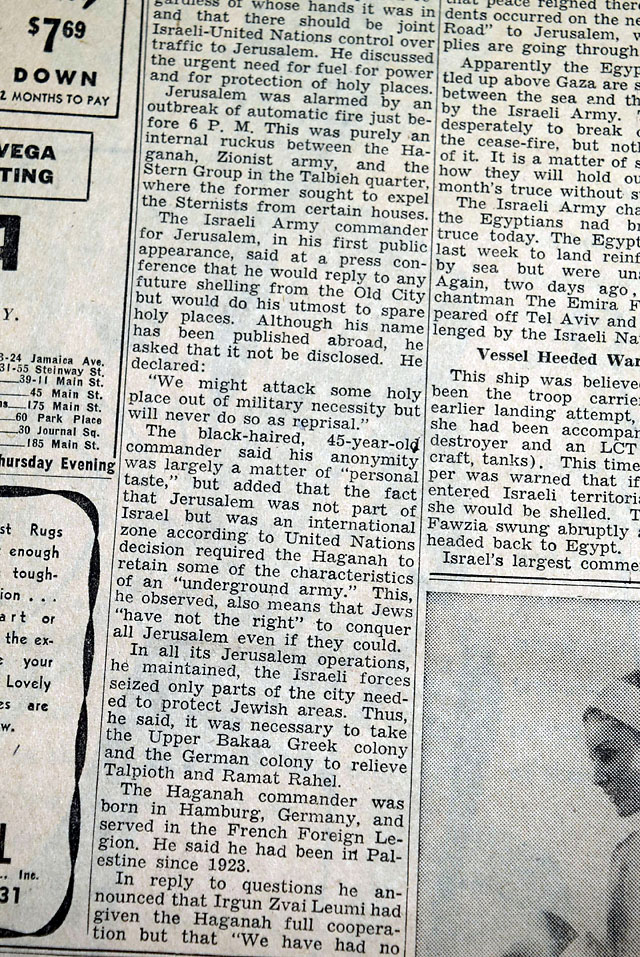
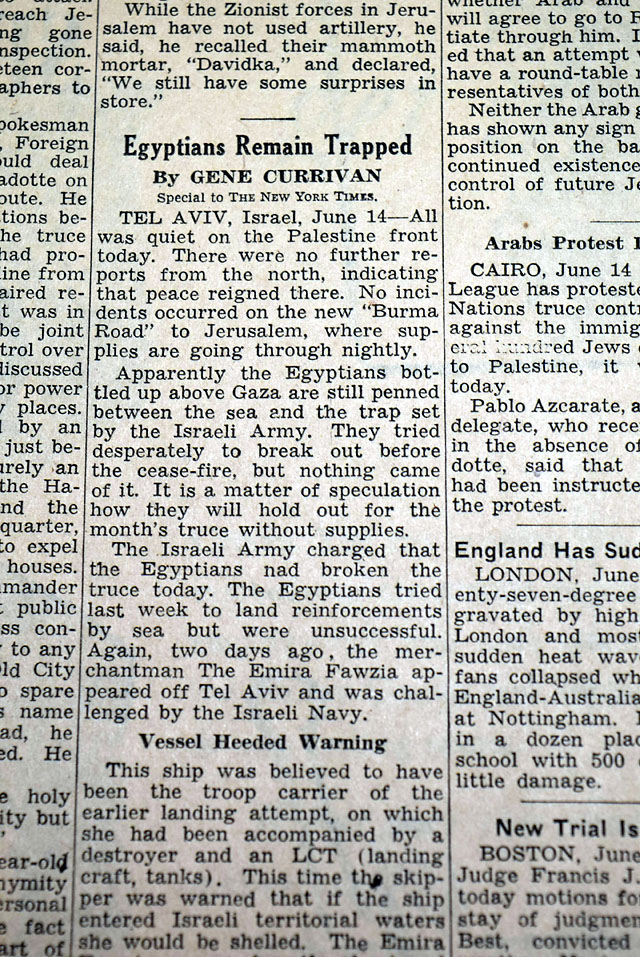
The top of the front has a two column heading: "Israel Heeds U. N. Ultimatum On Jerusalem Convoy Check" with subhead. (see images)
Complete with 56 pages, light toning at the margins, nice condition.
Background: The establishment of UN-monitored inspection posts on June 15, 1948, was a watershed moment that fundamentally shaped the geopolitical reality of modern Jerusalem and redefined international diplomacy. Structurally, these checkpoints formalized the physical partition of Jerusalem into Israeli-controlled West and Jordanian-controlled East, transforming what were fluid, chaotic frontline positions into a hardened border that crystallized the city's division for nearly two decades. On a global scale, the deployment marked the official operational debut of the United Nations Truce Supervision Organization (UNTSO), serving as the blueprint for modern UN peacekeeping by testing whether international observers could enforce an arms embargo and supervise humanitarian relief under active military siege. Ultimately, while the inspection posts managed to temporarily stabilize a humanitarian catastrophe, they also exposed the severe limits of unarmed international mediation; the rampant smuggling accusations and persistent violations at these checkpoints proved that a monitored ceasefire could temporarily freeze a conflict, but could not replace a negotiated, sustainable peace.
Other issues you may like
§ related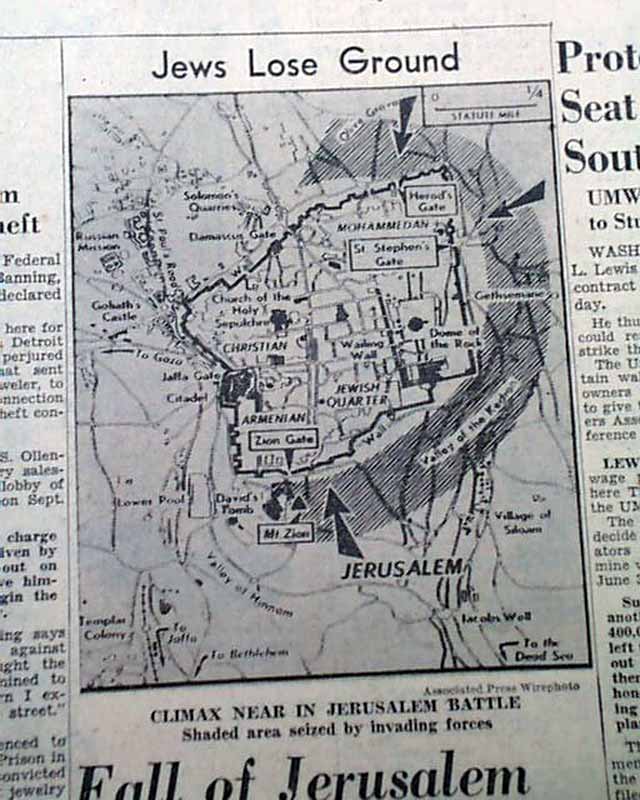
THE DETROIT FREE PRESS, May 20, 1948
- 1948 Arab-Israeli War - Palestine War
- Arab Legion forces Siege of Jerusalem
- Just 6 days after the State of Israel
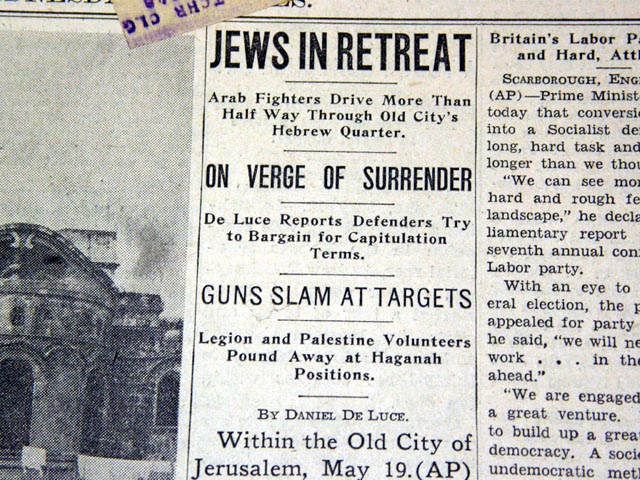
THE KANSAS CITY STAR, May 19, 1948
- 1948 Arab-Israeli War - Palestine War
- Arab Legion forces Siege of Jerusalem
- Just 5 days after the State of Israel creation
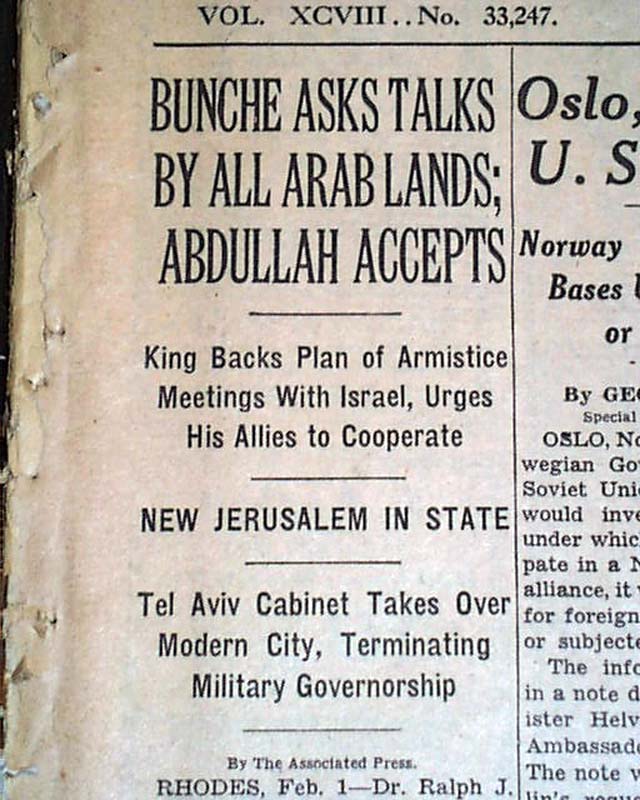
NEW YORK TIMES, Feb. 2, 1949
- De Jure recognition of Israel
Although the state of Israel was formally created in May, 1948, the United States and
...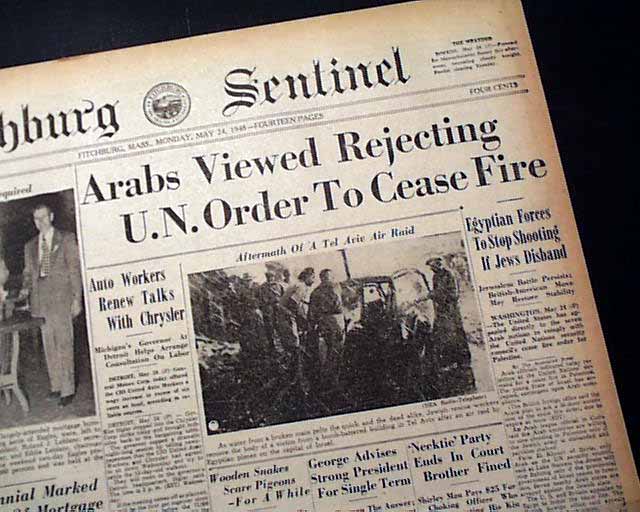
FITCHBURG SENTINEL, Massachusetts, May 24, 1948
- Arab-Israeli War for liberation
- Jerusalem - Israel
This 14 page newspaper has a five column headline on the
...