MADONNA - Queen of Pop is Born as SOLO Artist (1981) - ADVERTISEMENTS ...
Item # 728241
·
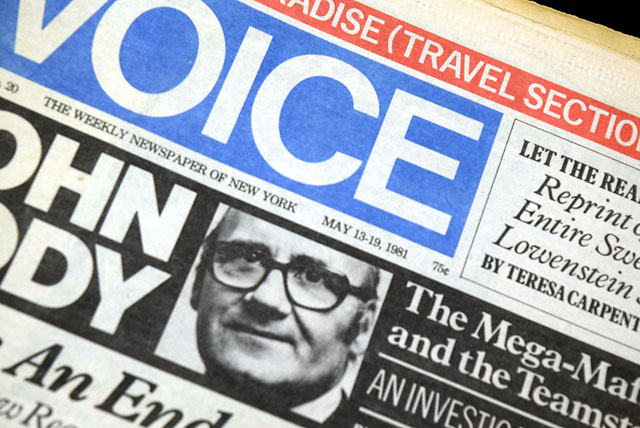
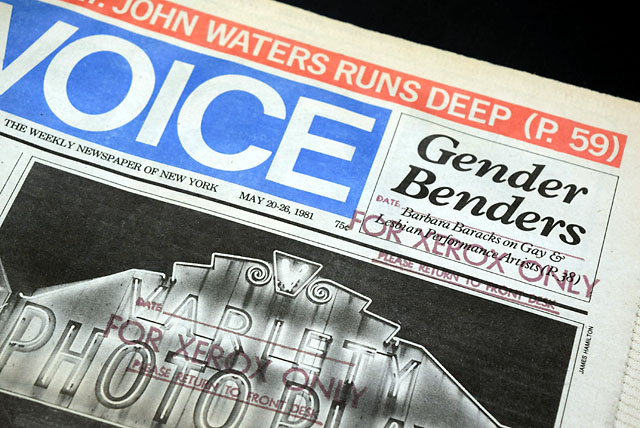
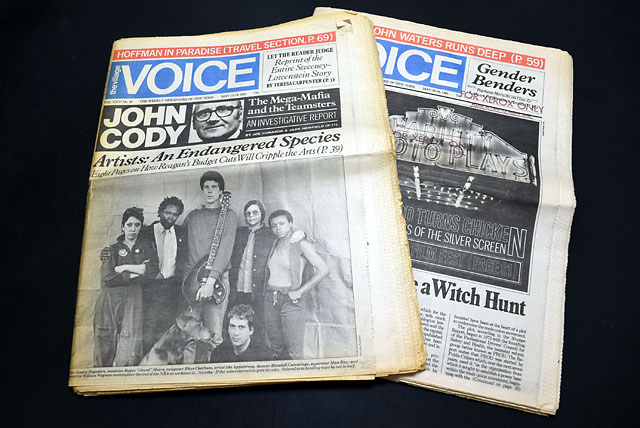
THE VILLAGE VOICE (weekly), Greenwich Village, New York City, May 12 & 19 , 1981
* The week Madonna Louise Ciccone became "MADONNA"
* Extremely early Madonna events in social media
* Pre-solo & SOLO START performance advertisements
* Her band "Emmy & The Emmys" (guitarist & vocals)
* First "Madonna" printed in a publication ?
* Singer - songwriter - actress & more
* "Emmy" was a nickname given to her in NYC
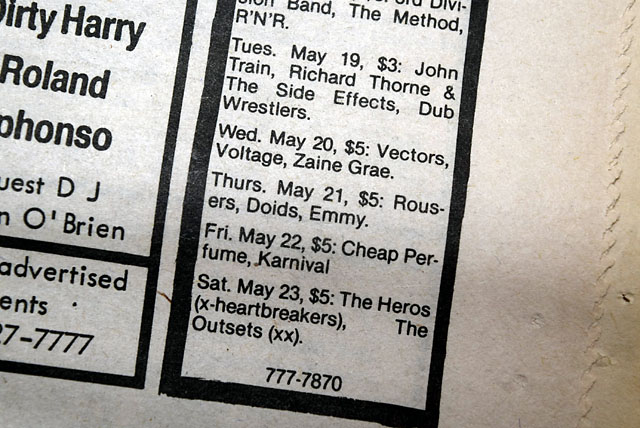
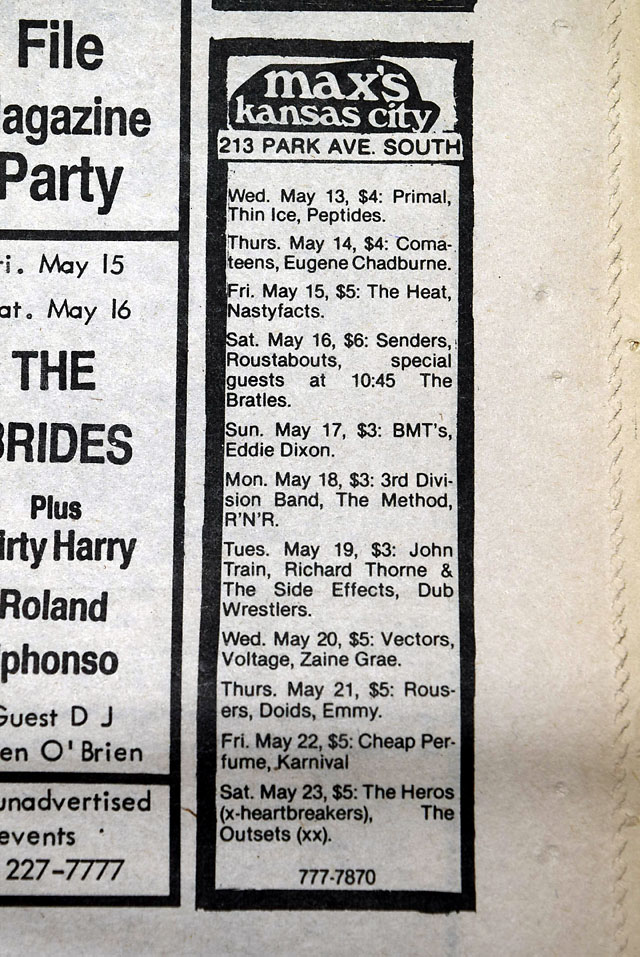
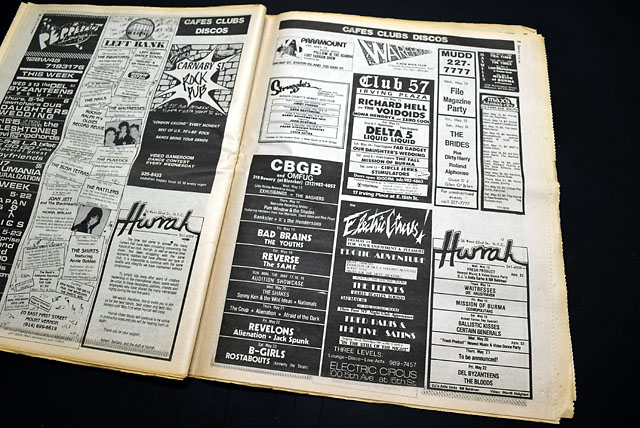
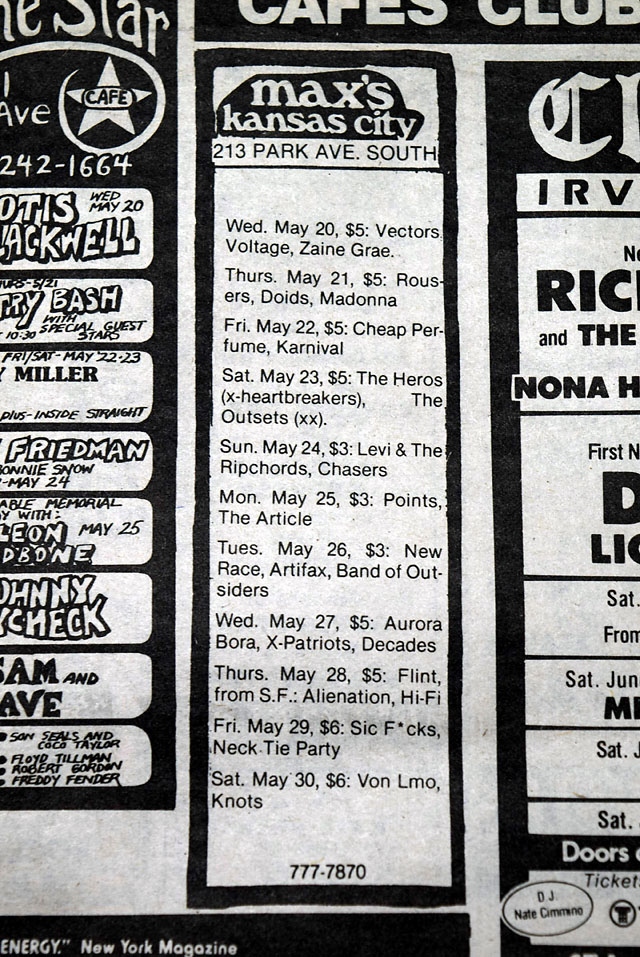
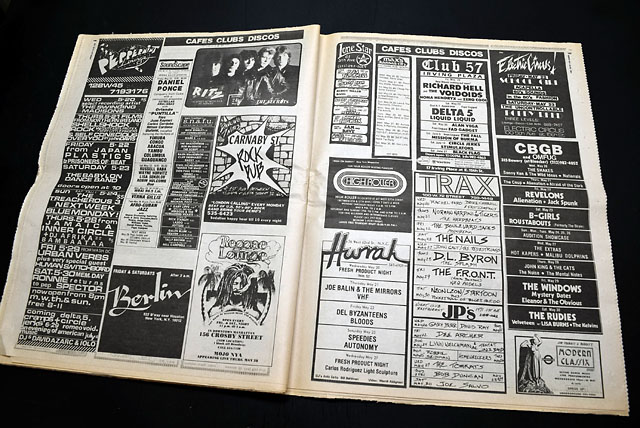
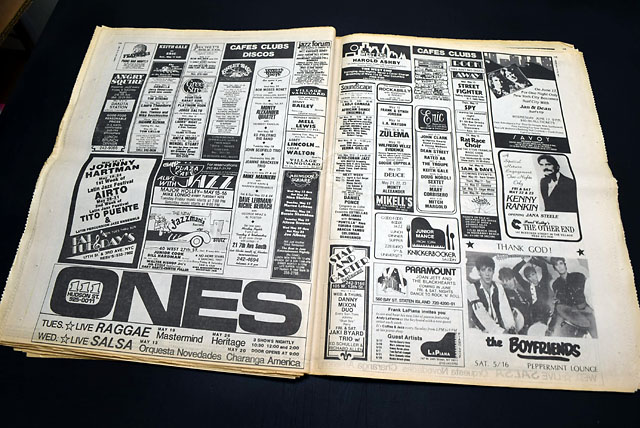
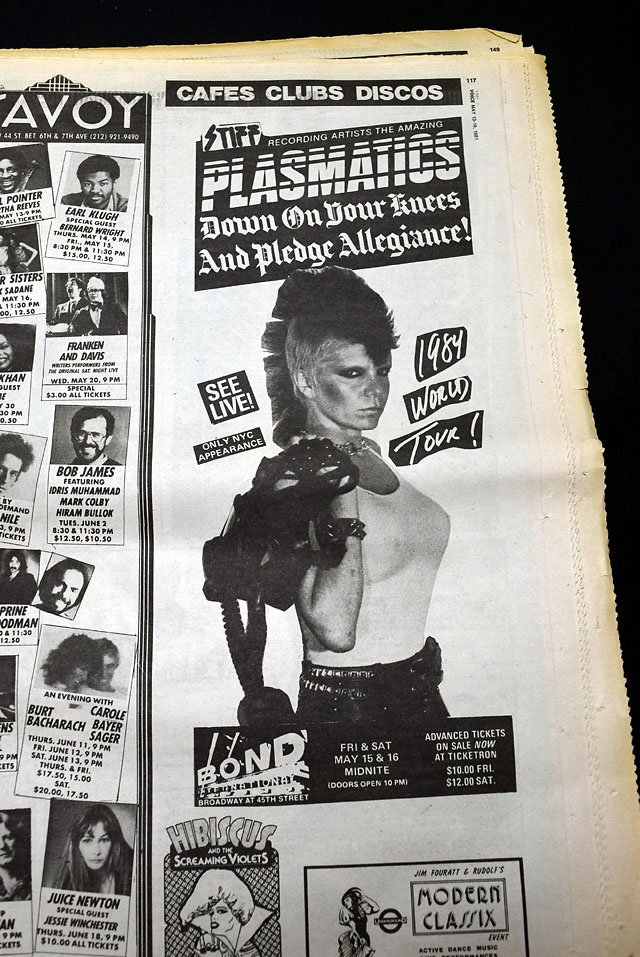
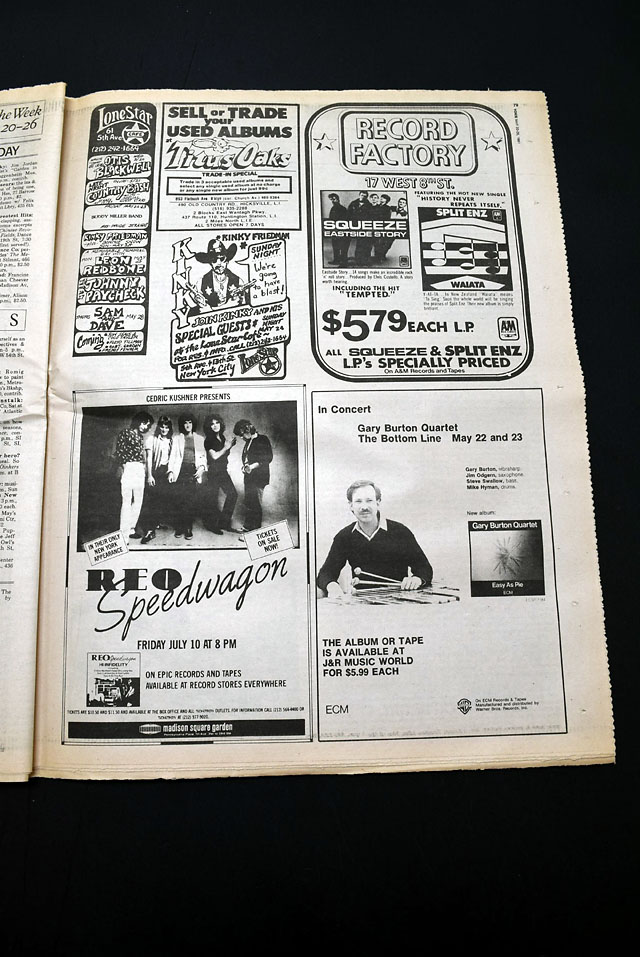
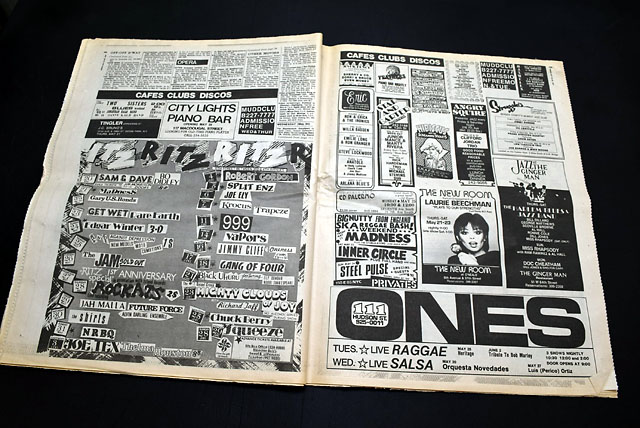
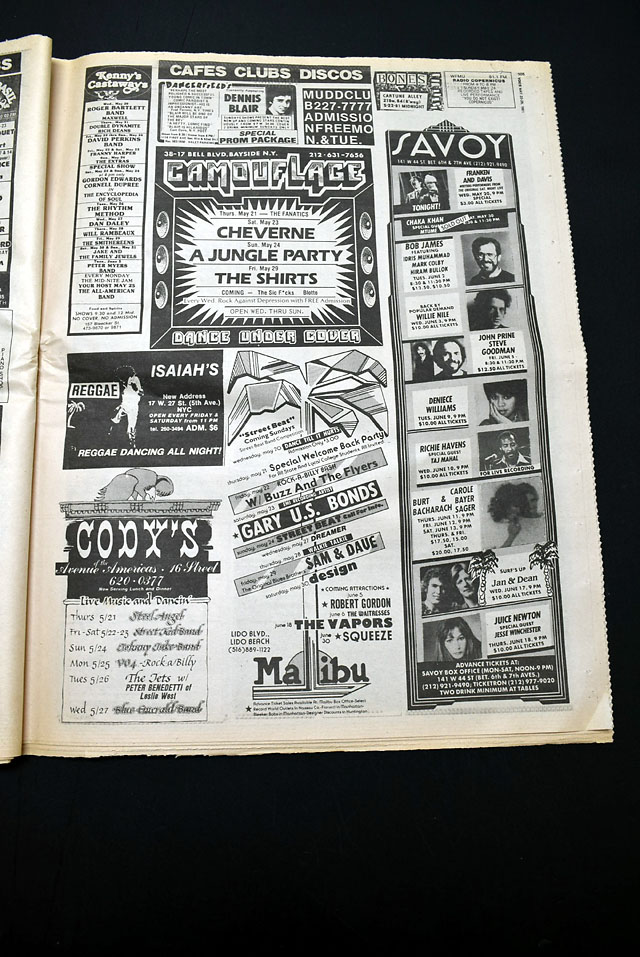
Page 123 of the May 12th issue has an advertisement for upcoming performances at the Max's Kansas City nightclub in New York City with a performance by the band "Emmy"
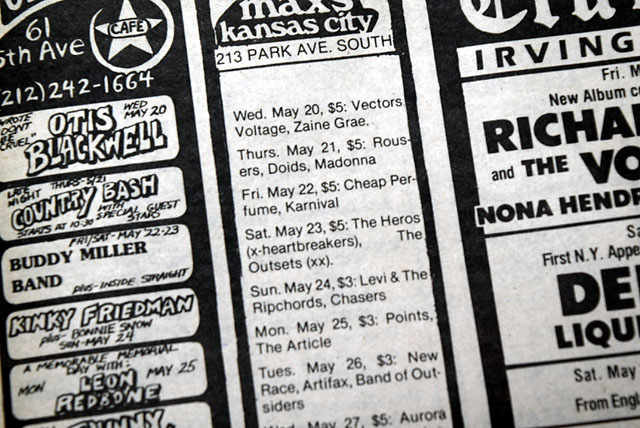
Then page 107 of the May 19th issue has the same performance advertisement but the performer was changed from "Emmy" to "Madonna" (see images)
See below for a detailed description of these events that eventually changed pop music in the 1980s and beyond. This is a somewhat lengthy read but well worth the look.
Of course the mention of her band and as a solo act are small and discrete here because she was still unknown at the time. Madonna was living in this part of Manhattan at the time, so this publication is very likely the only one to carry such an ad.
I suspect this to be an extremely rare item because there was really no reason to save it at the time.
The Village Voice was an American counterculture newspaper known for being the country's first alternative newsweekly. It introduced free-form, high-spirited, and passionate journalism into the public discourse - a tradition it maintained throughout its 60+ year history. It is quite common to find great political cartoons, satirical cartoons and articles, thought-provoking editorials, and ads and reviews for both concerts and theater productions - both on and off Broadway. Many iconic writers and musicians credit their appearance in The Village Voice for at least a portion of their success.
Both issues are complete with 152 and 136 pages, one fold across the center, two small library stamps on the front page of the later issue, very minor margin wear, generally in very nice condition.
Provenance note: This issue comes from The Village Voice's own archives, part of their in-house collection used to create their digital archive. Rare as such.
Alert: Many issues of The Village Voice contain articles and/or photos which some consider offensive, and are certainly inappropriate for children. Please purchase with discretion.
Background: In spring 1981, Madonna had only recently left Emmy and the Emmys (the band fronted by drummer/singer Emmy (Emily Woods) and the DiMaggio sisters). She had been their go-go dancer and occasional backup singer in 1979–1980, but by early 1981 she was striking out on her own with her first self-funded demo tape (the four-song cassette produced by Stephen Bray at Music Building studios that included early versions of “Everybody,” “Ain’t No Big Deal,” etc.).
The original May 21 booking was for Emmy (the band she had just left). When that ad was pulled and replaced with “Madonna” (solo, backed by a pickup band), it signaled that club bookers now saw her as a draw in her own right — an extremely early vote of confidence from the tastemaking downtown scene.
Although past its 1970–74 punk-era peak, Max’s remained an important room in 1981 (the “new wave/rock” room upstairs was booked by people like Peter Crowley who had real influence). A solo billing there was a step up from the no-wave/art gigs at Tier 3, A7, or TR3 she had been doing.
Before this ad, Madonna had virtually zero press or advertising under her own name. The May 19 Village Voice ad is among the very first times her name appeared in print as a headliner (the other contemporaneous evidence is a tiny May 1981 “Madonna” listing in the Soho Weekly News for a different gig). For historians and collectors, the switch from “Emmy” to “Madonna” in the same slot, same week, is a tangible artifact of the exact moment she eclipsed her former band.
The fact that she literally replaced the act she had danced for only a year earlier is almost too perfect symbolically: the former go-go dancer/backing vocalist stepping into the spotlight and pushing her old group out of the ad. It’s a microcosm of how quickly and ruthlessly she seized control of her career in 1981–82.
Owning original copies of the May 12 (13-19) and May 19 (20-26), 1981 issues of the Village Voice gives you a rare, tangible piece of pop-music history: side-by-side proof of the exact week Madonna displaced her former band Emmy and seized her first significant solo billing in the New York club scene.
On May 12, Max’s Kansas City was advertising “Emmy” (the post-disco dance-rock act Madonna had left only months earlier after serving as their go-go dancer and backup singer) for Thursday, May 21. One week later, that same slot in the same venue now read simply “Madonna.” The switch from Emmy to Madonna in identical ad space is one of the earliest documented moments when the downtown scene acknowledged Madonna as a draw in her own right—before any record deal, before “Everybody,” before virtually any press.
Musically and historically, these two newspapers capture the precise pivot point when Madonna’s solo career ignited. In spring 1981 she was still an unknown hustler with a self-financed four-song demo; by replacing her old band in a prestige club like Max’s (still booked by the influential Peter Crowley), she announced that the former backup dancer was now the headliner. The symbolic perfection of literally erasing “Emmy” and inserting “Madonna” in the same column makes these issues a microcosm of her rapid, ruthless ascent.
For scholars and collectors, the pair is considered primary-source gold: the earliest print evidence of Madonna eclipsing her past and stepping into the spotlight under her own name. Very few physical artifacts so cleanly illustrate the birth of a global icon. You don’t just own two old Village Voices—you own the before-and-after snapshot of the moment the Madonna era began.
* The week Madonna Louise Ciccone became "MADONNA"
* Extremely early Madonna events in social media
* Pre-solo & SOLO START performance advertisements
* Her band "Emmy & The Emmys" (guitarist & vocals)
* First "Madonna" printed in a publication ?
* Singer - songwriter - actress & more
* "Emmy" was a nickname given to her in NYC
Page 123 of the May 12th issue has an advertisement for upcoming performances at the Max's Kansas City nightclub in New York City with a performance by the band "Emmy"
Then page 107 of the May 19th issue has the same performance advertisement but the performer was changed from "Emmy" to "Madonna" (see images)
See below for a detailed description of these events that eventually changed pop music in the 1980s and beyond. This is a somewhat lengthy read but well worth the look.
Of course the mention of her band and as a solo act are small and discrete here because she was still unknown at the time. Madonna was living in this part of Manhattan at the time, so this publication is very likely the only one to carry such an ad.
I suspect this to be an extremely rare item because there was really no reason to save it at the time.
The Village Voice was an American counterculture newspaper known for being the country's first alternative newsweekly. It introduced free-form, high-spirited, and passionate journalism into the public discourse - a tradition it maintained throughout its 60+ year history. It is quite common to find great political cartoons, satirical cartoons and articles, thought-provoking editorials, and ads and reviews for both concerts and theater productions - both on and off Broadway. Many iconic writers and musicians credit their appearance in The Village Voice for at least a portion of their success.
Both issues are complete with 152 and 136 pages, one fold across the center, two small library stamps on the front page of the later issue, very minor margin wear, generally in very nice condition.
Provenance note: This issue comes from The Village Voice's own archives, part of their in-house collection used to create their digital archive. Rare as such.
Alert: Many issues of The Village Voice contain articles and/or photos which some consider offensive, and are certainly inappropriate for children. Please purchase with discretion.
Background: In spring 1981, Madonna had only recently left Emmy and the Emmys (the band fronted by drummer/singer Emmy (Emily Woods) and the DiMaggio sisters). She had been their go-go dancer and occasional backup singer in 1979–1980, but by early 1981 she was striking out on her own with her first self-funded demo tape (the four-song cassette produced by Stephen Bray at Music Building studios that included early versions of “Everybody,” “Ain’t No Big Deal,” etc.).
The original May 21 booking was for Emmy (the band she had just left). When that ad was pulled and replaced with “Madonna” (solo, backed by a pickup band), it signaled that club bookers now saw her as a draw in her own right — an extremely early vote of confidence from the tastemaking downtown scene.
Although past its 1970–74 punk-era peak, Max’s remained an important room in 1981 (the “new wave/rock” room upstairs was booked by people like Peter Crowley who had real influence). A solo billing there was a step up from the no-wave/art gigs at Tier 3, A7, or TR3 she had been doing.
Before this ad, Madonna had virtually zero press or advertising under her own name. The May 19 Village Voice ad is among the very first times her name appeared in print as a headliner (the other contemporaneous evidence is a tiny May 1981 “Madonna” listing in the Soho Weekly News for a different gig). For historians and collectors, the switch from “Emmy” to “Madonna” in the same slot, same week, is a tangible artifact of the exact moment she eclipsed her former band.
The fact that she literally replaced the act she had danced for only a year earlier is almost too perfect symbolically: the former go-go dancer/backing vocalist stepping into the spotlight and pushing her old group out of the ad. It’s a microcosm of how quickly and ruthlessly she seized control of her career in 1981–82.
Owning original copies of the May 12 (13-19) and May 19 (20-26), 1981 issues of the Village Voice gives you a rare, tangible piece of pop-music history: side-by-side proof of the exact week Madonna displaced her former band Emmy and seized her first significant solo billing in the New York club scene.
On May 12, Max’s Kansas City was advertising “Emmy” (the post-disco dance-rock act Madonna had left only months earlier after serving as their go-go dancer and backup singer) for Thursday, May 21. One week later, that same slot in the same venue now read simply “Madonna.” The switch from Emmy to Madonna in identical ad space is one of the earliest documented moments when the downtown scene acknowledged Madonna as a draw in her own right—before any record deal, before “Everybody,” before virtually any press.
Musically and historically, these two newspapers capture the precise pivot point when Madonna’s solo career ignited. In spring 1981 she was still an unknown hustler with a self-financed four-song demo; by replacing her old band in a prestige club like Max’s (still booked by the influential Peter Crowley), she announced that the former backup dancer was now the headliner. The symbolic perfection of literally erasing “Emmy” and inserting “Madonna” in the same column makes these issues a microcosm of her rapid, ruthless ascent.
For scholars and collectors, the pair is considered primary-source gold: the earliest print evidence of Madonna eclipsing her past and stepping into the spotlight under her own name. Very few physical artifacts so cleanly illustrate the birth of a global icon. You don’t just own two old Village Voices—you own the before-and-after snapshot of the moment the Madonna era began.
Category: The 20th Century
Price
$2,000
100% Authentic: Original printing, never a reproduction.
Other issues you may like
§ related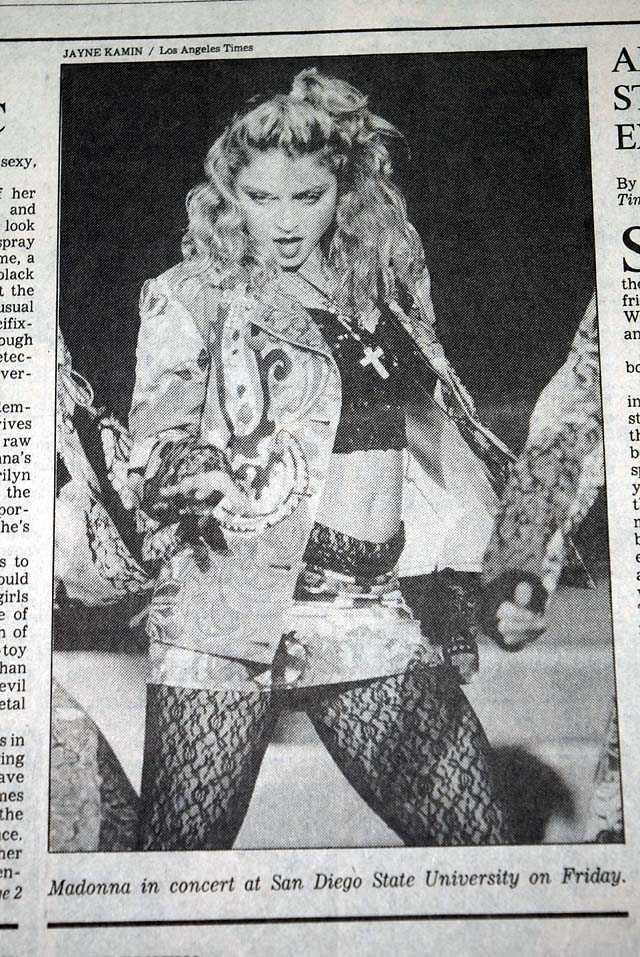
LOS ANGELES TIMES, April 22, 1985
* Madonna arrives in Southern California for the first time (career)
* Upcoming Los Angeles's Universal Amphitheatre - "The...
* Madonna arrives in Southern California for the first time (career)
* Upcoming Los Angeles's Universal Amphitheatre - "The...
Apr 1985
$82
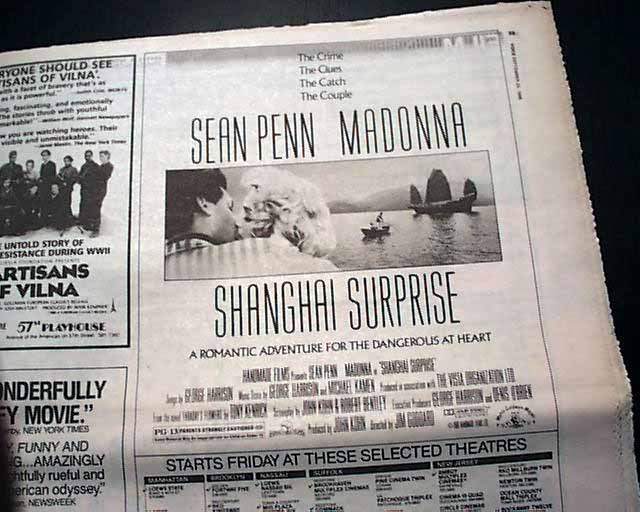
1986 MADONNA "Shanghai Surprise" opening day movie ad...
THE VILLAGE VOICE (weekly), Greenwich Village, New York City, Sept. 23, 1986
* Early MADONNA w/ Sean Penn advertisement
* Singer - songwriter - actress...
* Early MADONNA w/ Sean Penn advertisement
* Singer - songwriter - actress...
Sep 1986
$52
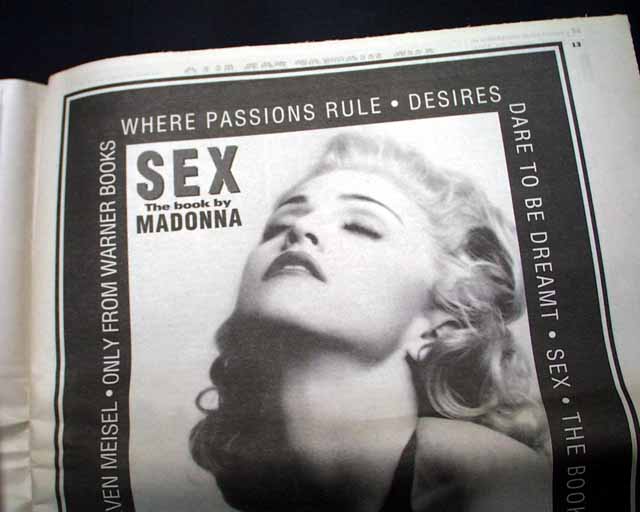
Madonna "SEX" book... Slick Willie as a Casanova in 1992...
THE VILLAGE VOICE (weekly), Greenwich Village, New York, Oct. 27, 1992
* Coffee table book "SEX" release advertisement
* Erotic softcore pornography -...
* Coffee table book "SEX" release advertisement
* Erotic softcore pornography -...
Oct 1992
$68
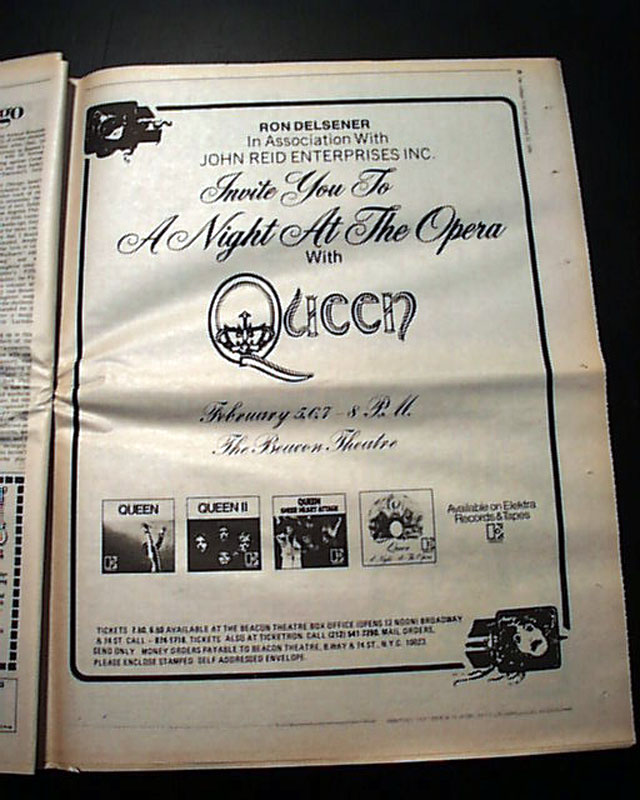
1976 Rock band "Queen" concert ad
THE VILLAGE VOICE (weekly), Greenwich Village, New York, Jan. 12, 1976
* 1st "Queen" North America concert tour
* "A Night at the Opera" "Bohemian Rhapsody"
*...
* 1st "Queen" North America concert tour
* "A Night at the Opera" "Bohemian Rhapsody"
*...
Jan 1976
$68