Albert Einstein & his "Unified Field Theory"...
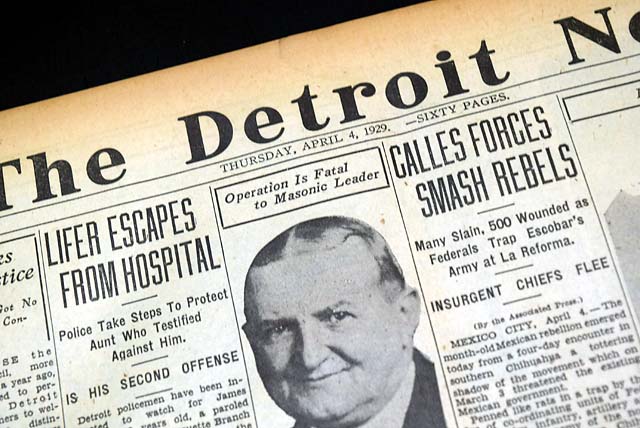
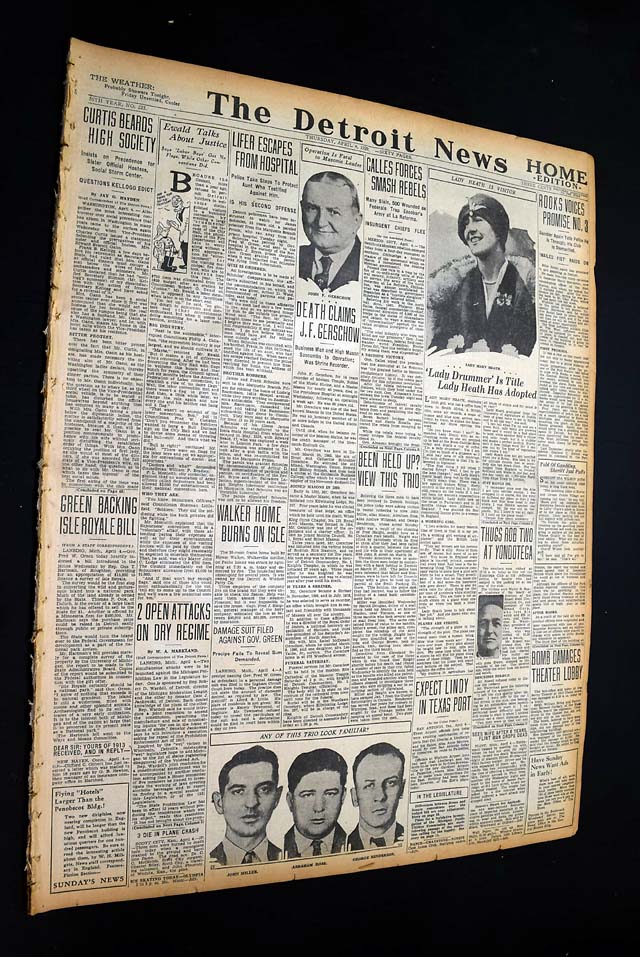
THE DETROIT NEWS, April 4, 1929
- Albert Einstein's Unified field theory
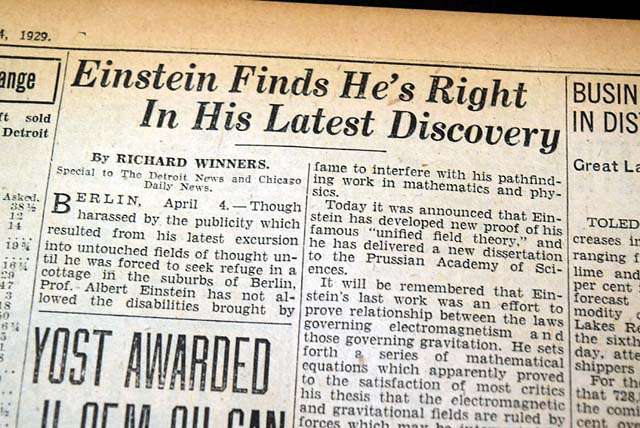
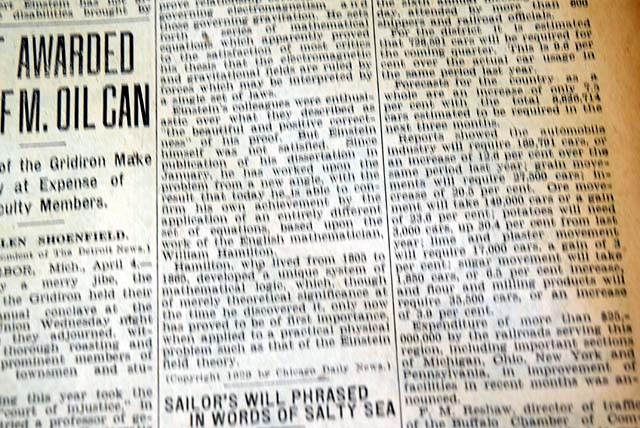
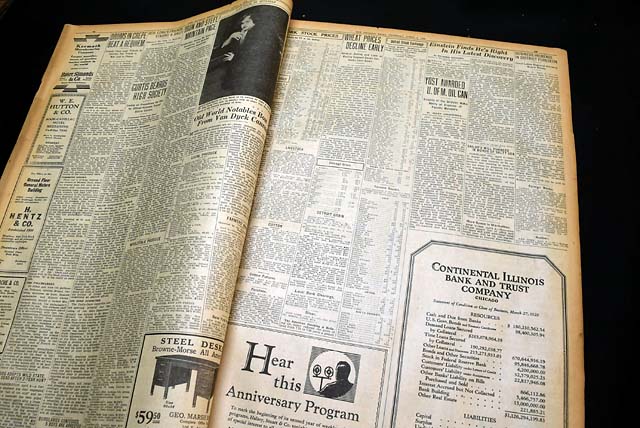
The top of page 49 has a two column heading: "Einstein Find He's Right In His Latest Discovery" (see images)
Complete with all 60 pages, light toning and a little wear at the margins, generally in good condition.
Background: The convergence of Albert Einstein’s search for a Unified Field Theory and the intelligence scrutiny surrounding him in Berlin during this exact window in 1929 marks a profound historical intersection of pioneering science, global celebrity, and geopolitical friction. Scientifically, this moment represented the zenith of public expectation for Einstein's intellect; his early 1929 "distant parallelism" paper captured global headlines as humanity anticipated a definitive, deterministic "Theory of Everything" that would seamlessly bridge gravity and electromagnetism. However, the subsequent intelligence and police files tracking his Berlin office from 1929 onward—which alleged his international cable address was being used by underground communist networks—reveal the immense geopolitical vulnerability that accompanied his fame. Ultimately, these events are significant because they illustrate how the Weimar Republic's fragile democracy transformed Einstein's greatest intellectual pursuit into a battleground: his scientific prestige gave him a massive global platform for pacifism and progressive activism, but it simultaneously made him a prime target for nationalist smear campaigns and espionage surveillance, foreshadowing the inevitable, politically forced abandonment of his Berlin life just a few years later.
Other issues you may like
§ related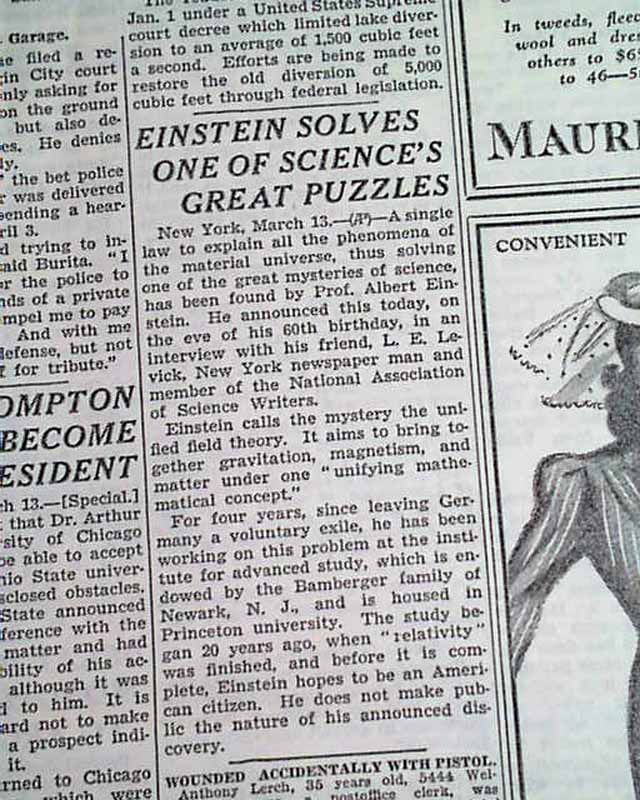
CHICAGO DAILY TRIBUNE, March 14, 1939 Page 3 features a notable science report under the column heading: "EINSTEIN SOLVES ONE OF SCIENCE'S GREAT PUZZLES",
...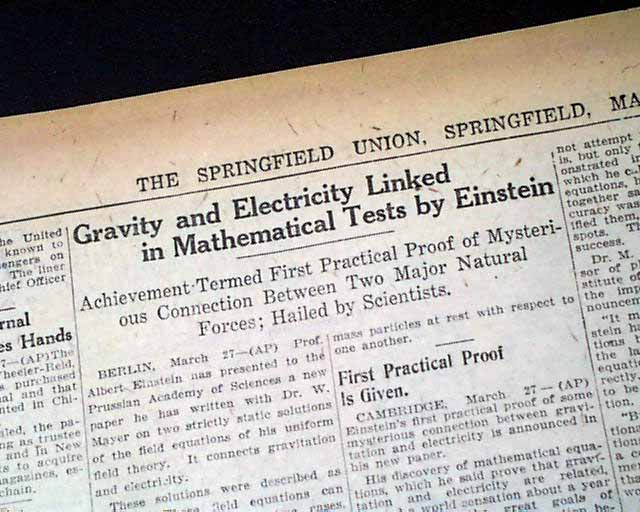
THE SPRINGFIELD UNION, Mass., March 28, 1930
- Professor Albert Einstein
- Unified Field Theory
- Gravitation & Electricity
The top of page 11 has a two column
...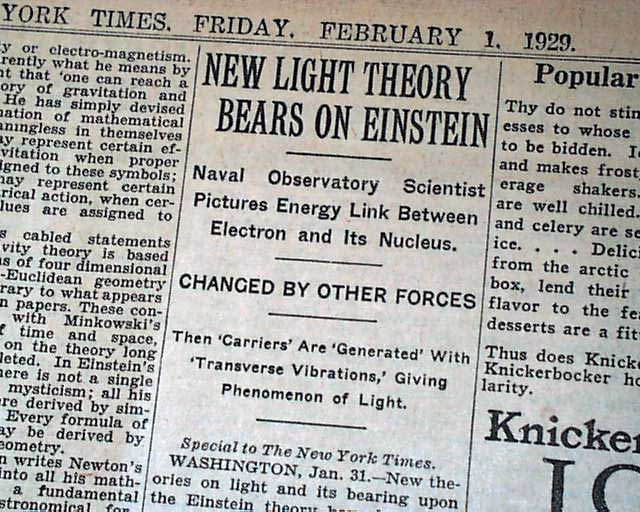
THE NEW YORK TIMES, February 1, 1929.
- Albert Einstein's Unified field theory
- Gravitation & electromagnetism
Page 3 has a one column heading: "SEES EINSTEIN
...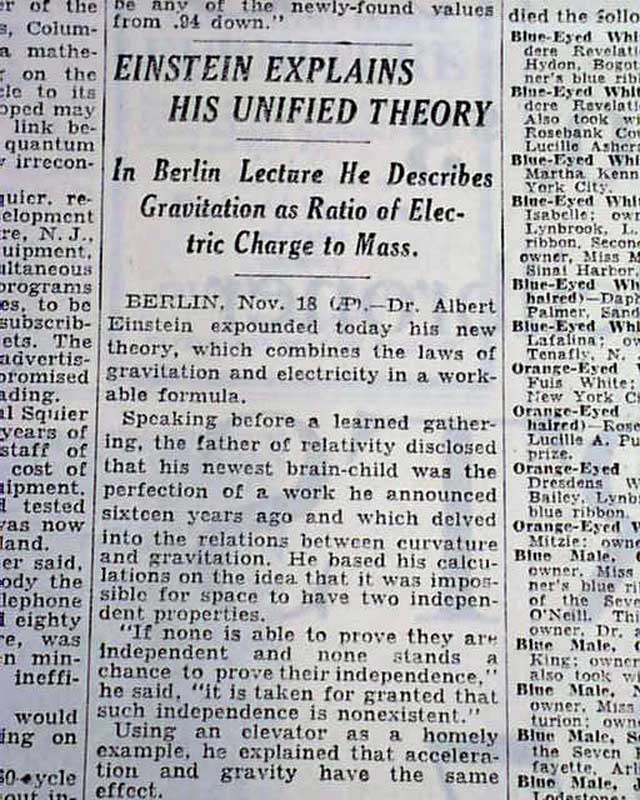
THE NEW YORK TIMES, November 19, 1931
- Professor Albert Einstein
- New Unified Field Theory
- Gravitation & electricity
Page 14 has a one column heading: "Einstein
...