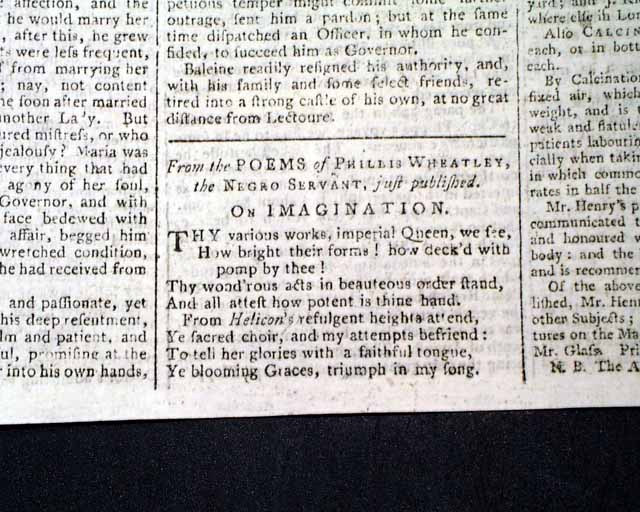
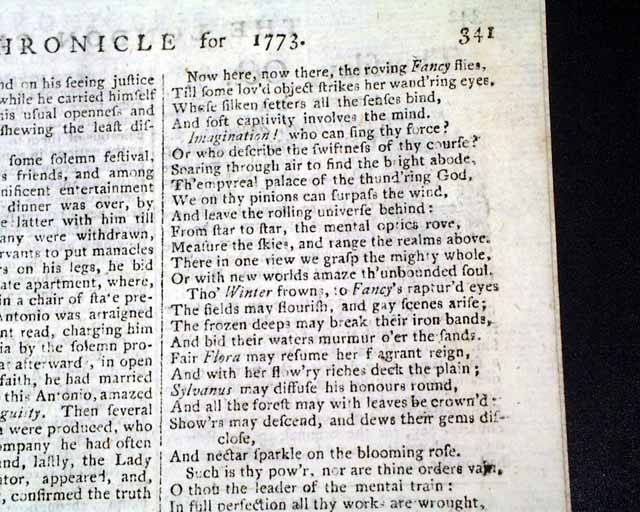
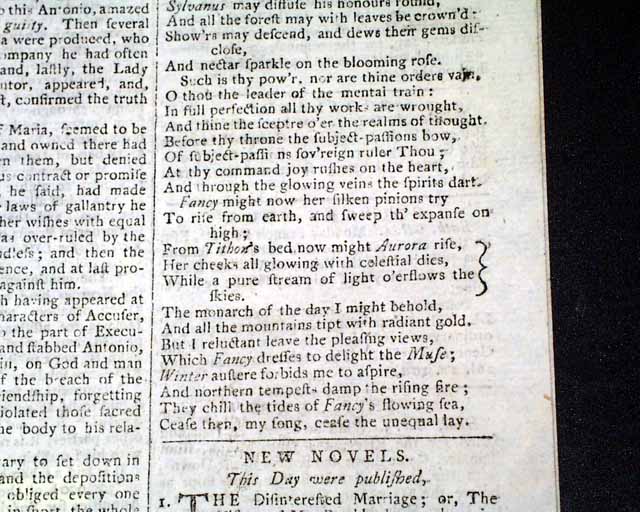
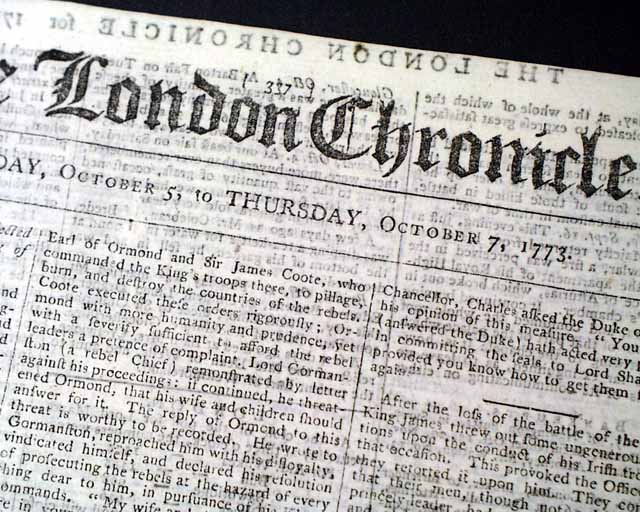
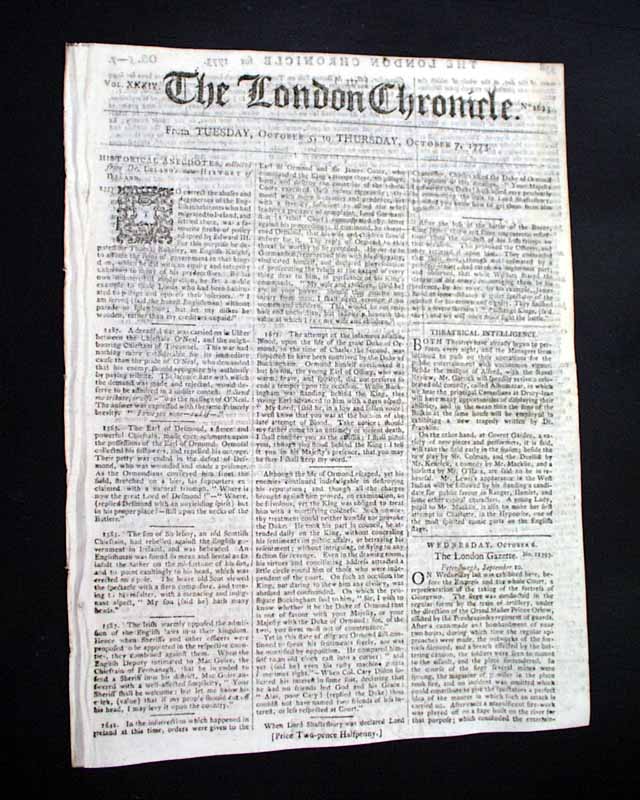
A first printing of one of Phillis Wheatley's poems?
THE LONDON CHRONICLE, England, Oct. 7, 1773
- Phillis Wheatley poem "On Imagination"
- Famous "Slave" servant turned poet
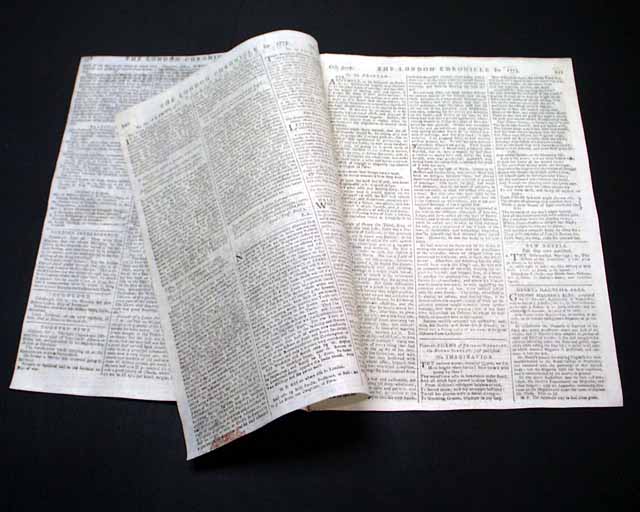
An extraordinary issue, as page 5 contains what might be the first periodical publication of one of Phillis Wheatley's poems, "On Imagination".
Wheatley was an American writer considered the first African-American author of a published book of poetry. Born in West Africa, she was kidnapped and subsequently sold into slavery at the age of 7 or 8 and transported to North America, where she was bought by the Wheatley family of Boston. After she learned to read and write, they encouraged her poetry when they saw her talent.On a 1773 trip to London with the Wheatleys' son, seeking publication of her work, Wheatley met prominent people who became her patrons. The publication in London of her "Poems on Various Subjects, Religious and Moral" on September 1, 1773, in which this poem appeared, brought her fame both in England and the American colonies.We can find no information noting this poem was printed earlier in any publication.
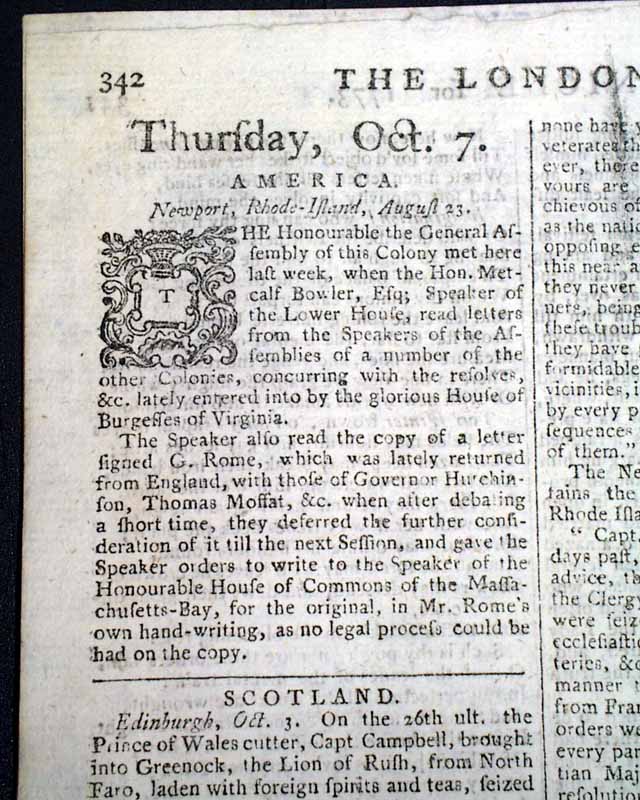
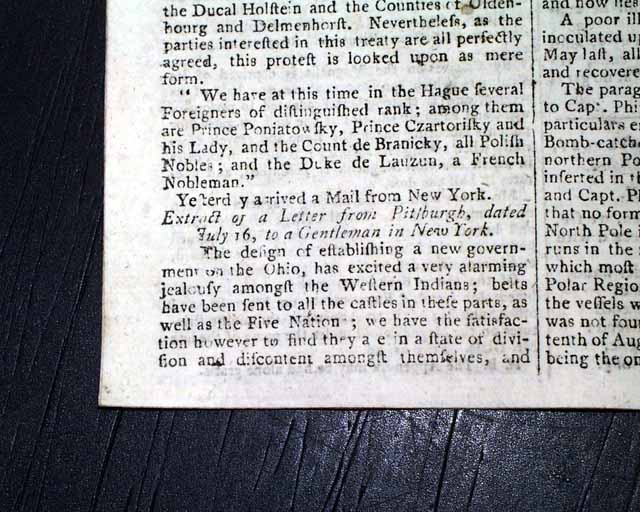
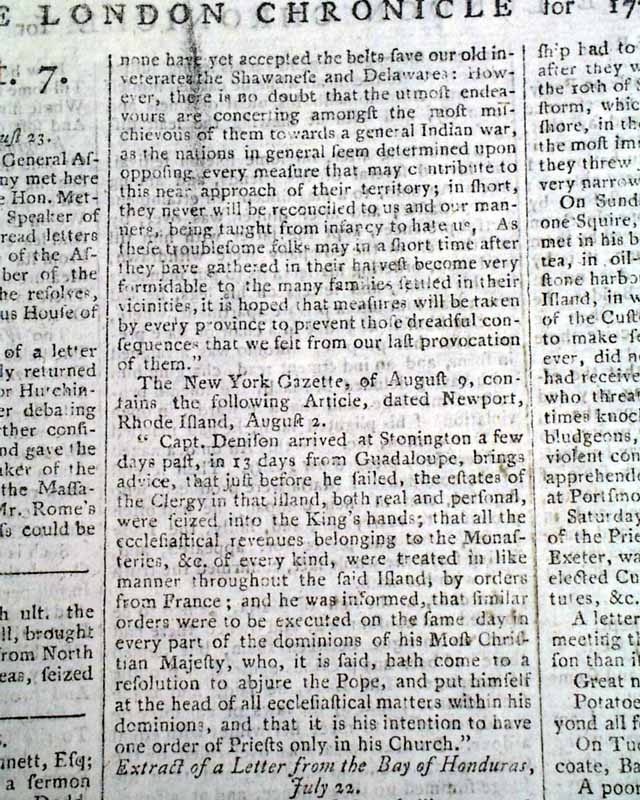
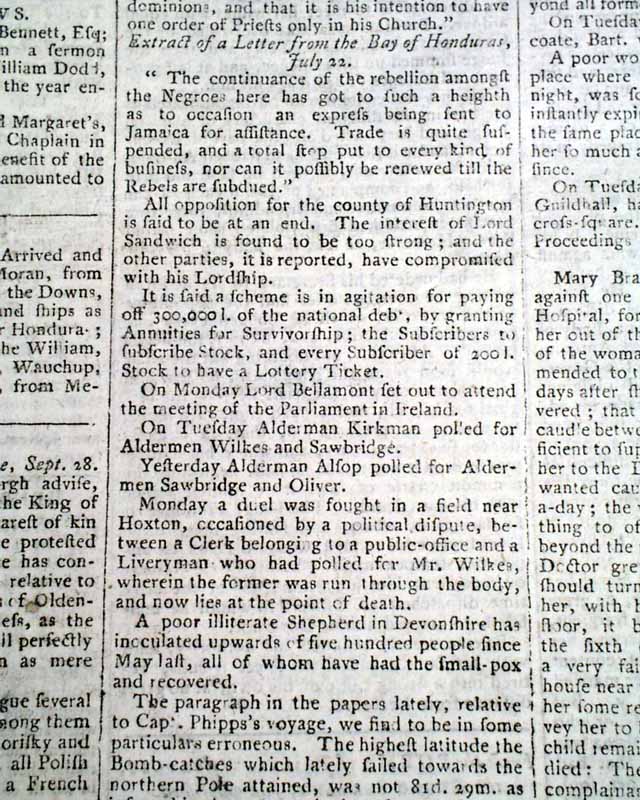
Other nice content on page 6, including a report headed: "America" from Newport, and a letter from Pittsburg beginning: "The Design of establishing a new government on the Ohio has excited a very alarming jealousy amongst the Western Indians...". More as well, including mention of the rebellion of slaves in Honduras.
Eight pages, 8 1/4 by 11 1/4 inches, nice condition.
Background: This extraordinary issue of The London Chronicle from October 7, 1773, holds immense historical and bibliographical value as what is believed to be the very first periodical publication of "On Imagination" by Phillis Wheatley. Wheatley, who was stolen from West Africa as a child, enslaved in Boston, and taught to read and write, made history as the first African-American author to publish a book of poetry. Following the September 1, 1773, London release of her landmark collection Poems on Various Subjects, Religious and Moral—a trip and publication made possible by British abolitionists and patrons after colonial publishers rejected her work—her poetry began circulating in influential English media. Newspaper printings like this one represent the primary, highly ephemeral vehicles that first distributed Wheatley's literary voice to the broader public across Europe and the American colonies. Because individual 18th-century newspaper issues were rarely preserved, surviving press run copies containing her original verses are exceptionally scarce artifacts that capture the immediate, historic moment an enslaved Black woman gained global renown.
Other issues you may like
§ related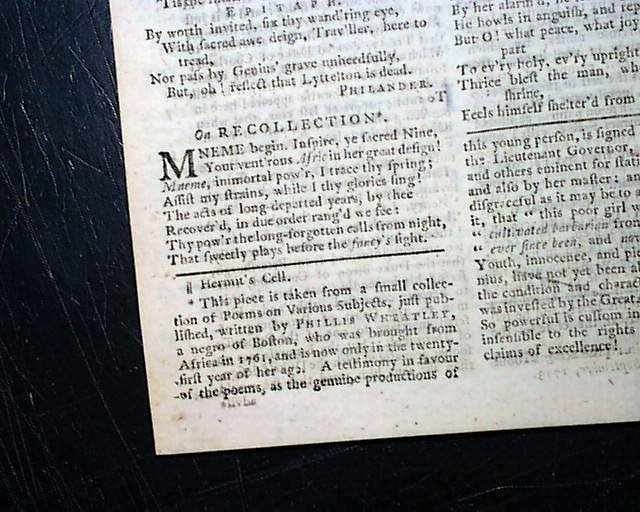
THE GENTLEMAN'S MAGAZINE London, September, 1773
- Phillis Wheatley poem & biography
- Famous Woman servant turned poet
Near the back is a printing of a poem
...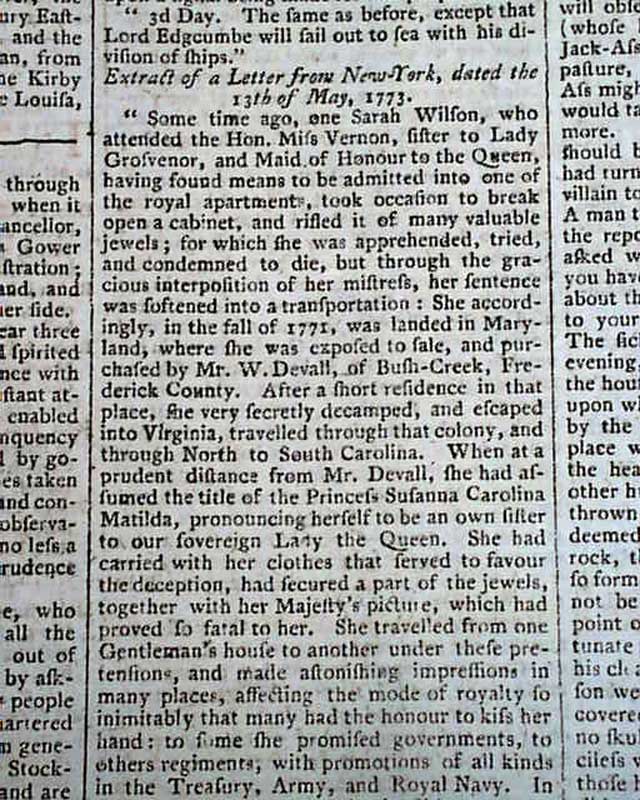
THE LONDON CHRONICLE, England, June 22, 1773
- Phillis Wheatley's London arrival
- Famous Woman servant turned poet
Certainly the most notable report is found on
...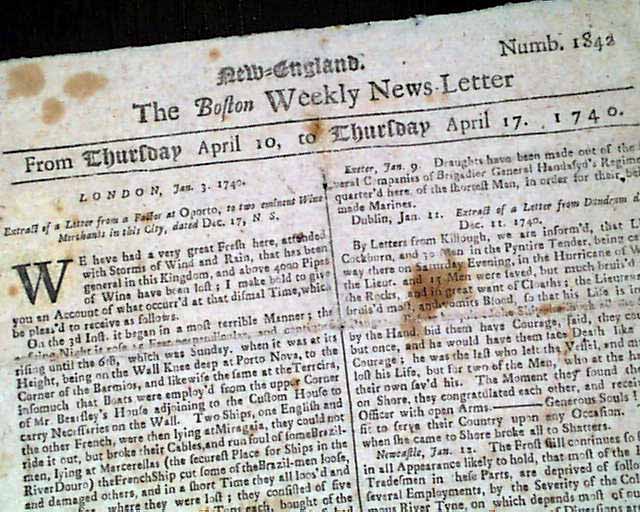
THE BOSTON WEEKLY NEWS-LETTER, "New England", April 10-17, 1740
- Among the earliest of American newspapers to be had
- Ad for sale of a "healthy negro woman"
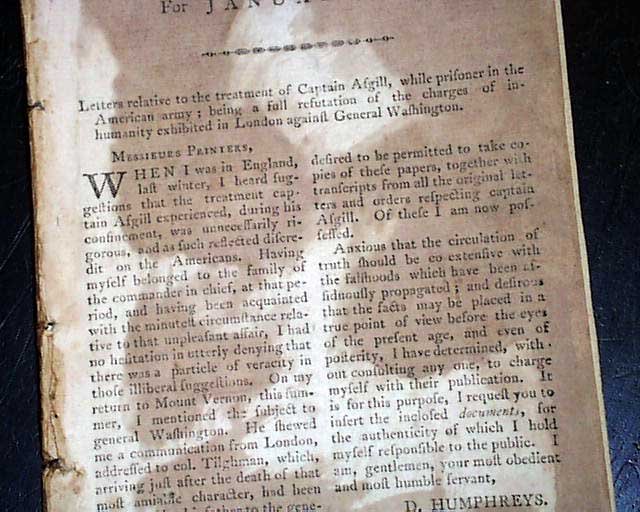
THE COLUMBIAN MAGAZINE, Philadelphia, January, 1787 One of the more intriguing articles is: "Letters Relative to the Treatment of Capt. Asgill, while
...